Getting the Most Out of Gallium Iodide Lamps in Your PCB Shop
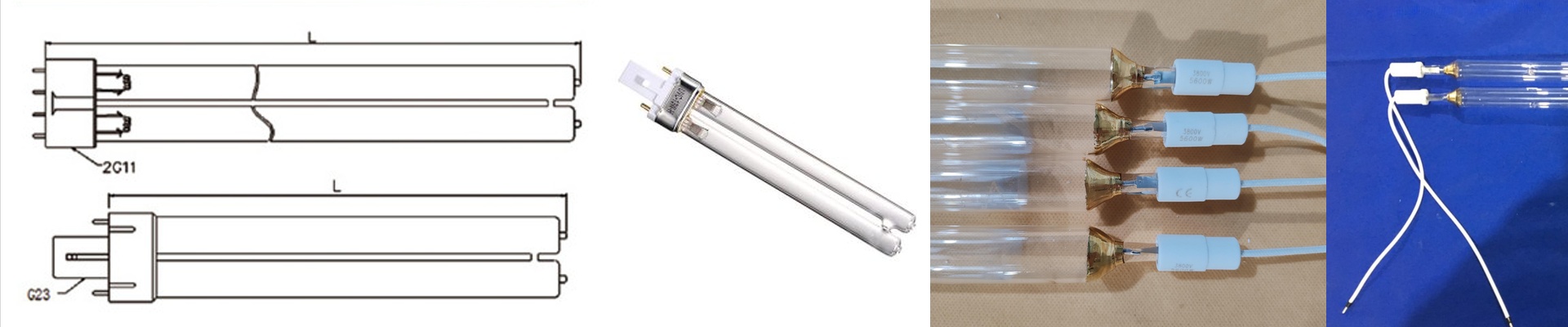
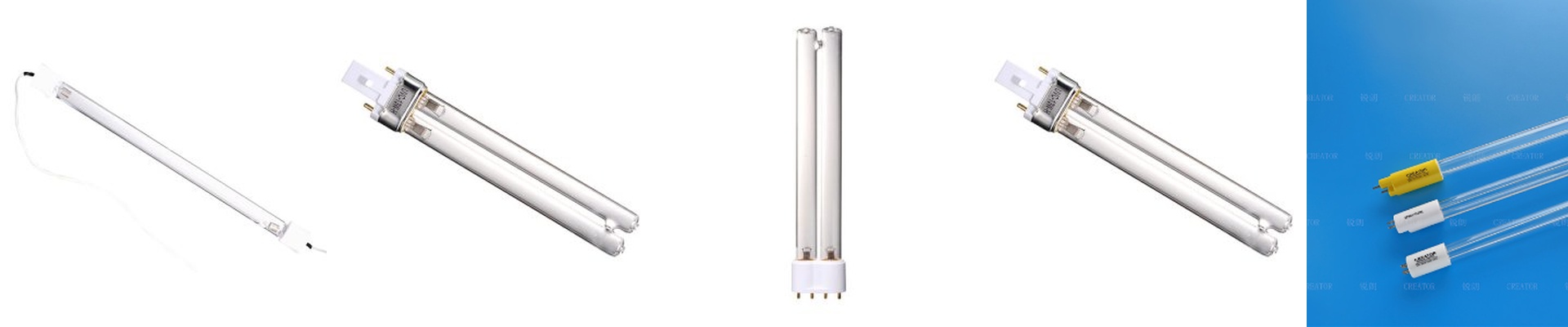
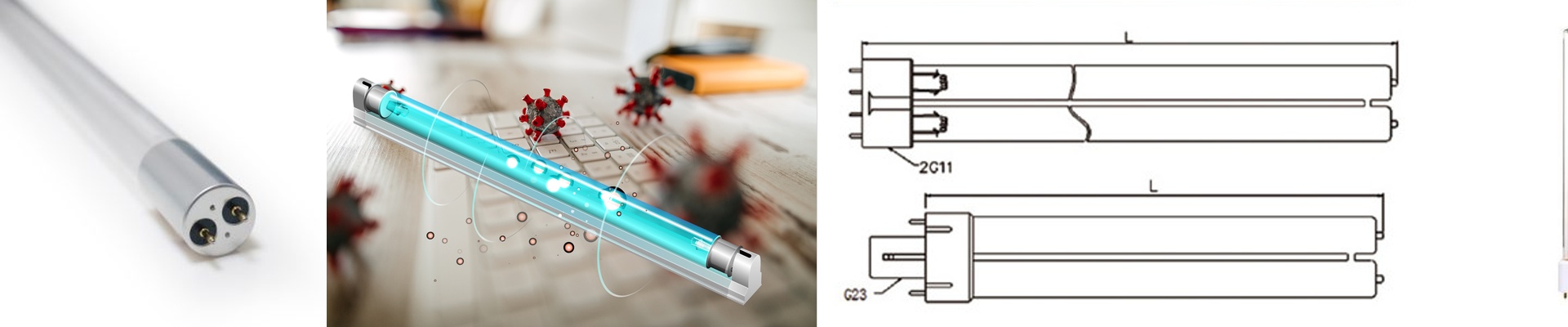
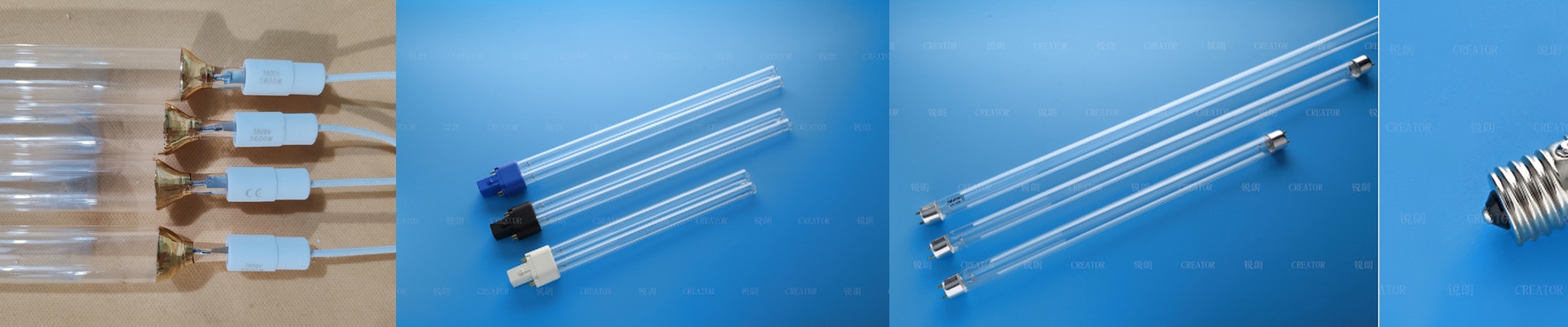
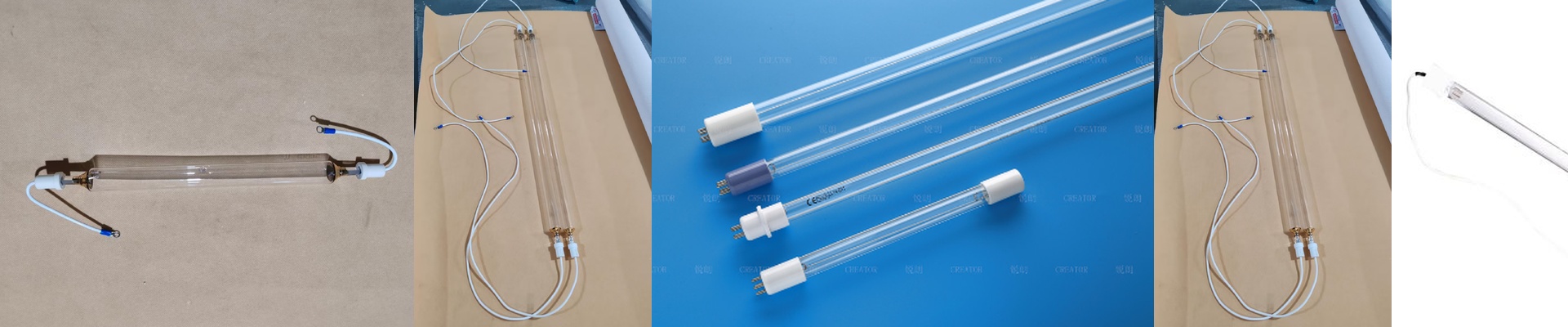
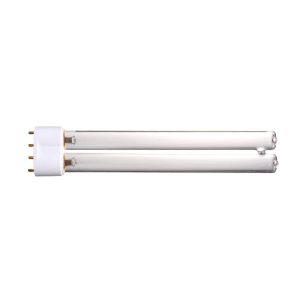
If you’re chasing those razor-sharp lines on a PCB, you’ve probably looked at Gallium Iodide (GaI) lamps. These things hit a very specific sweet spot—right around 254nm. In a real-world factory setting, that precision is everything. Standard mercury lamps are fine for some things, but GaI lamps are built for high-precision photolithography. They hit the photoresist exactly where they need to, which means your copper substrate stays crisp. Why the narrow beam matters Here’s the thing: light scattering is the enemy. When you use that 254nm peak, the UV light punches straight through the resist layer. It doesn’t bleed over into the circuits next door. That stops “undercutting” during etching. You end up with cleaner traces and tolerances that actually hold up. If you try to use a lamp with a wider spectral spread, things get blurry. On a high-density board, a little bit of blur is basically a death sentence—it leads to shorts, and then you’re tossing expensive boards in the bin. The heat and the hardware Now, these lamps aren’t exactly “plug and play.” They run hot. Really hot. When you’re wiring them up, your ballast has to be a perfect match for the lamp’s impedance. If it’s off, the lamp will burn out way faster than it should. The quartz envelope can take the heat, but the sheer intensity of the UV output creates a ton of thermal radiation. You’ll need to be aggressive with your cooling. Whether you use fans or water-jackets, just make sure that substrate doesn’t overheat. If the PCB gets too toasted during exposure, the resist can bake or just peel right off. Not a great look. The trade-off Look, GaI lamps give you incredible accuracy, but they aren’t immortal. They don’t last as long as your basic UV tubes. After a few thousand hours, you’ll notice the intensity starting to dip. I always suggest checking the milliwatt output every single week. Once it drops below your process threshold, swap it out immediately. If you don’t, you risk under-curing the resist. It’s a bit of a balancing act. You’re spending more time on maintenance, but in exchange, you get micron-level accuracy. For high-end boards, that’s a trade I’m willing to make every time.