Getting UV Curing Right for Printed Fabrics
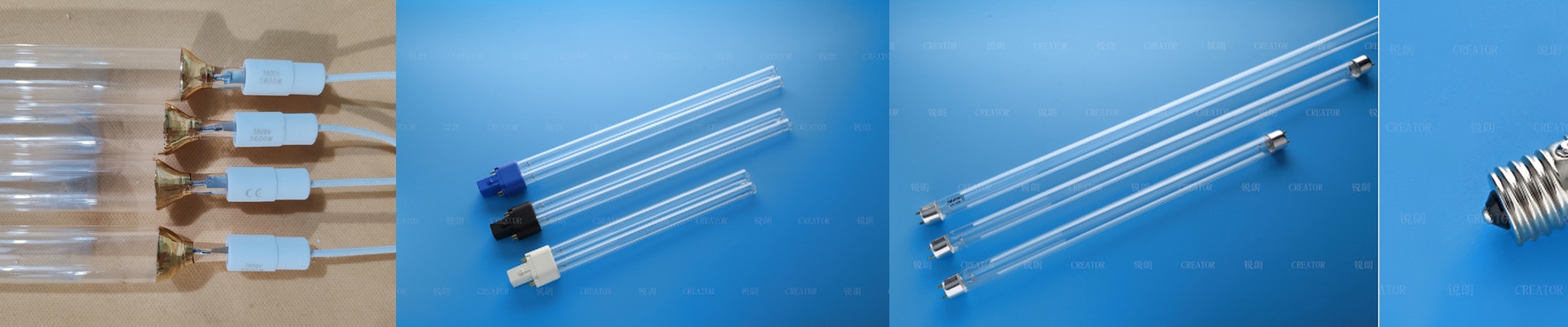
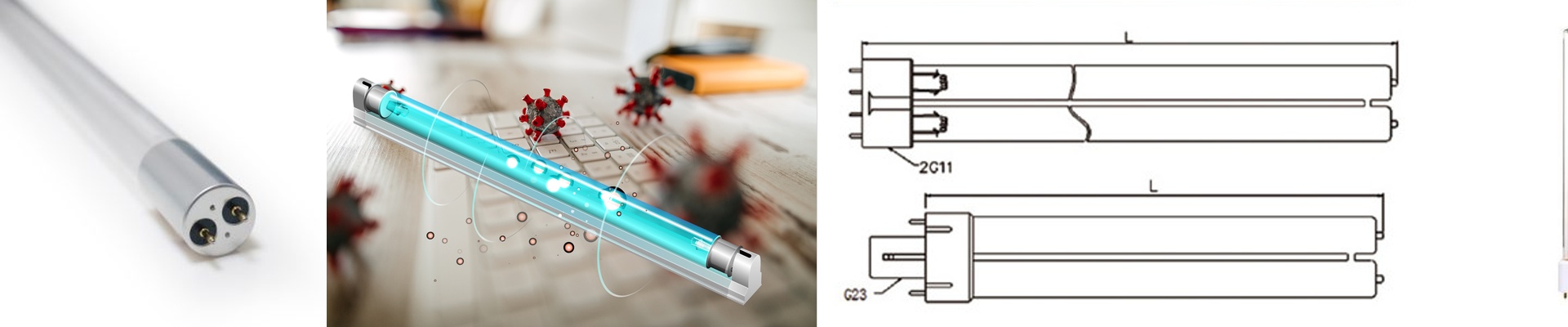
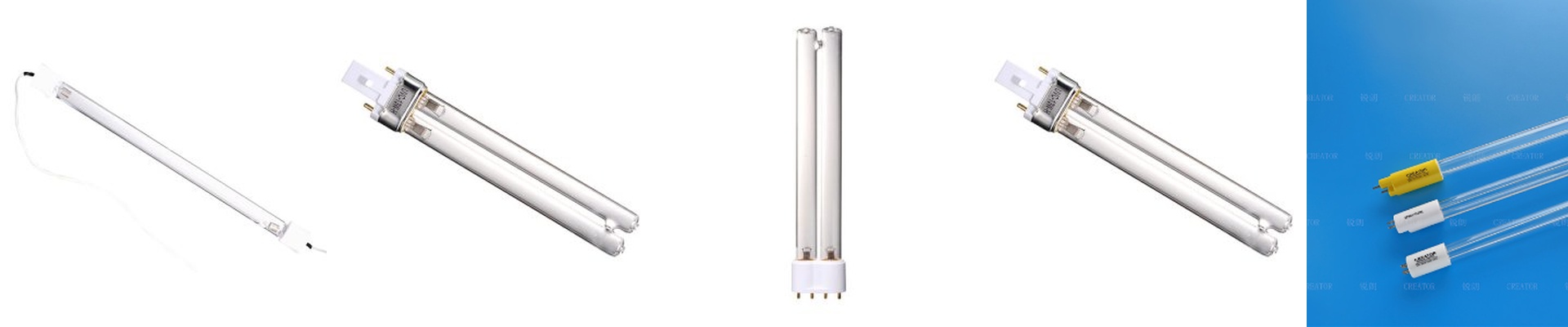
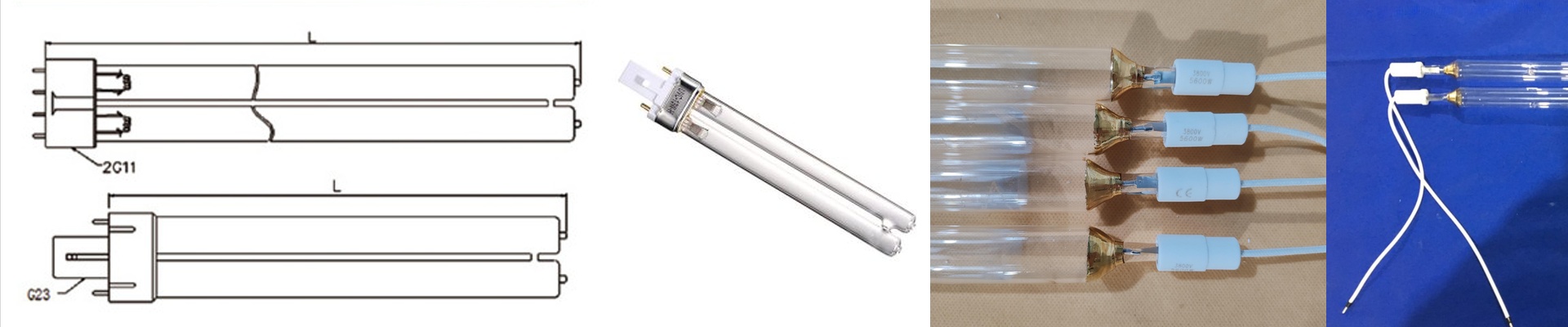
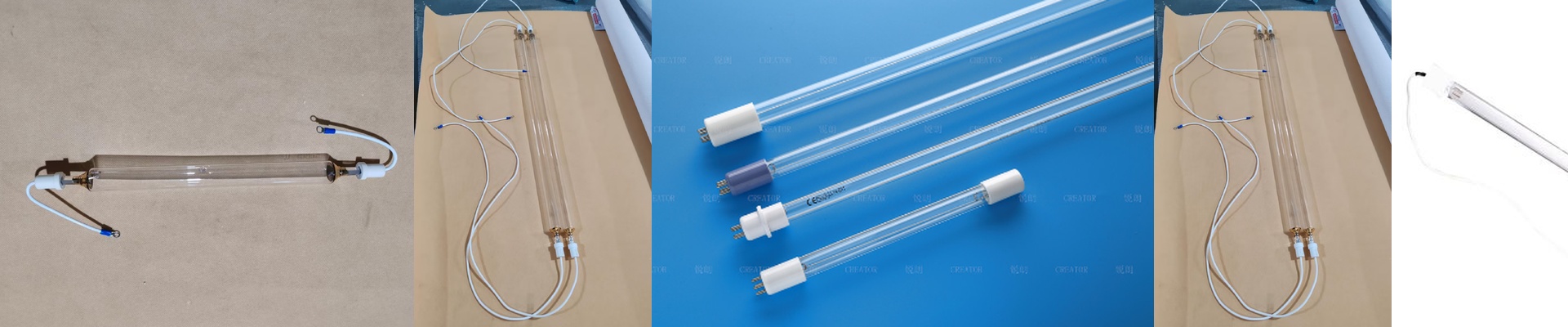
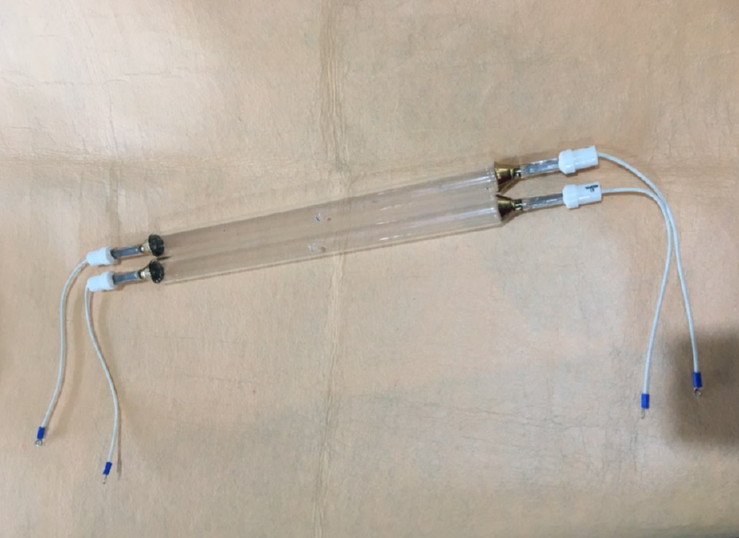
When you’re looking at UV lamps for textile printing, don’t think of them as just “lights.” They’re more like chemical triggers. Their whole job is to snap that ink into the fabric fibers the second it hits the material. If your wavelength is a bit off or the intensity isn’t where it needs to be, you’re going to run into trouble—usually in the form of ink that smears or just peels right off. Getting the light and power just right For the high-end stuff, it’s all about the spectral output. Most of these setups need a specific peak at 365nm or 395nm to actually wake up the photoinitiators in the ink. We use high-purity quartz glass for a reason: we don’t want the tube soaking up the UV rays. We want every bit of that energy hitting the fabric. But here’s the tricky part: you have to balance your wattage with how fast your line is moving. Sure, a beefier lamp lets you crank up the conveyor belt speed. But it also dumps a lot more heat onto the fabric. If you push the power too hard without moving the lamp further away, you’ll end up scorching your delicate fibers. Not a great look. The grit and the hardware Factory floors are rough. We build these lamps to take a beating. The electrodes are designed to handle being switched on and off constantly without burning out early. We also use reinforced end-caps because a tiny gas leak is basically a death sentence for the lamp’s lifespan. And a quick tip on the wiring: get a stable ballast. If your voltage jumps around, the light flickers. That leads to “zebra stripes”—those annoying, uneven cured lines running across your fabric. The trade-off: Speed vs. Heat It really comes down to a tug-of-war between how fast you want to work and how much heat you can handle. High-output lamps are great for cutting down curing time, but they throw off a ton of infrared heat. You’ll probably need to beef up your cooling fans or look into chilled air systems so your fabric doesn’t shrink. Also, do yourself a favor and check your heat sinks every 500 hours. It takes two minutes, and it keeps your power supplies from frying.