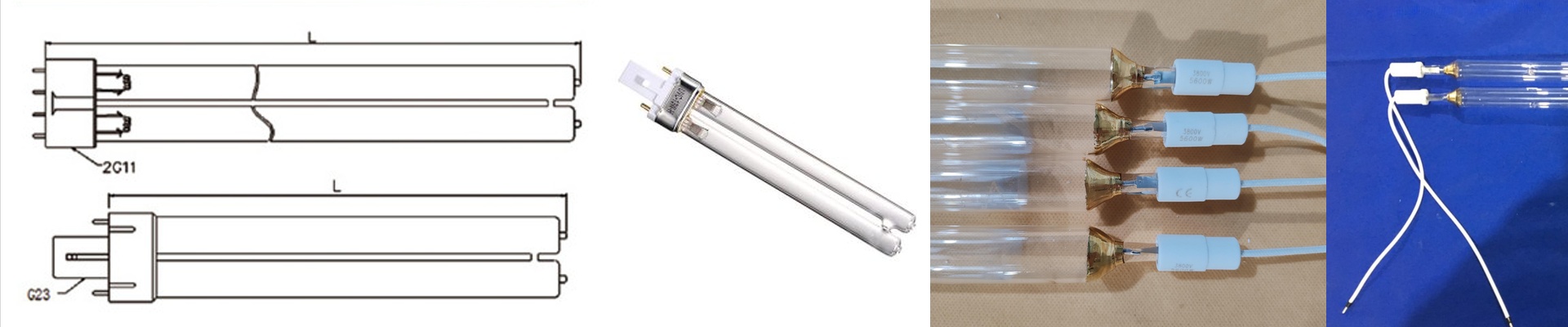
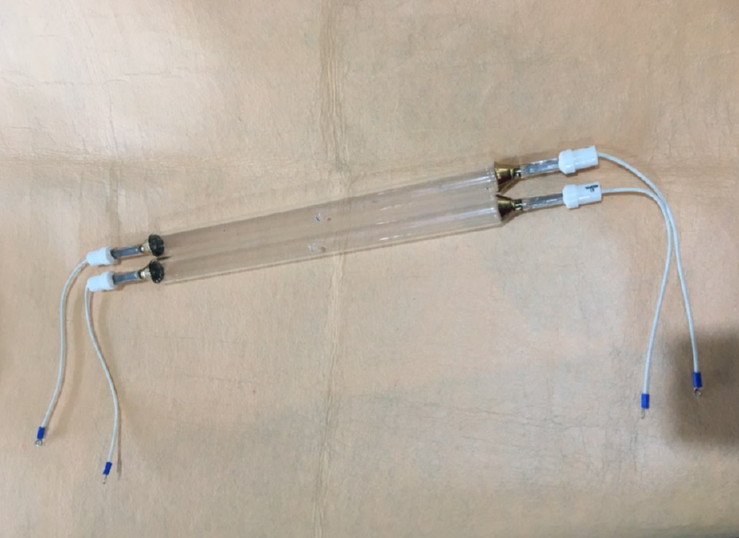
Getting the Most Out of Gallium Iodide Lamps
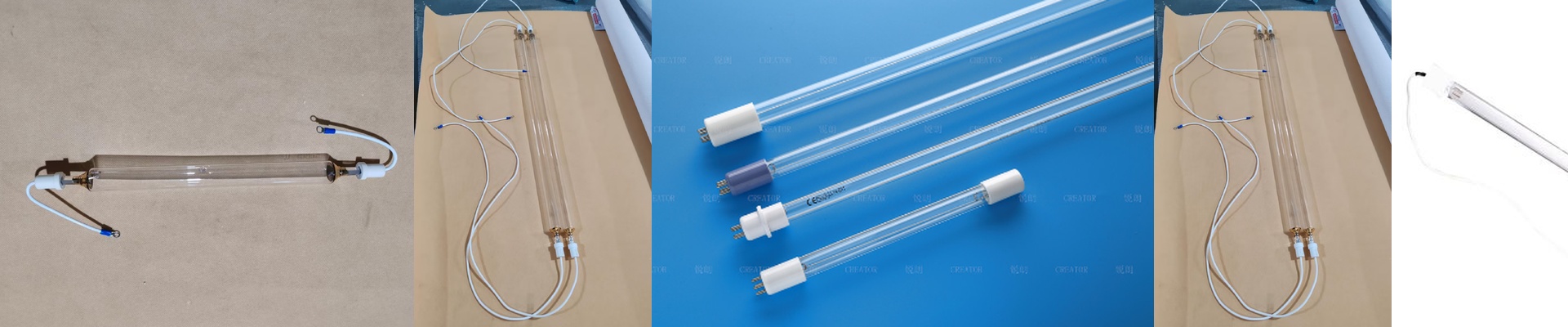
If you’re working with thick-film inks or those stubborn specialized coatings, you know the frustration of a “surface cure.” You look at the piece, it feels dry to the touch, but the moment you dig deeper? It’s still tacky. That’s a nightmare for anyone printing on PET or non-porous plastics. That’s where Gallium iodide comes in. Instead of just hitting the surface, these lamps push the light at longer wavelengths. This means the UV actually penetrates the ink. It goes all the way through to the bottom, so you get a solid, full cure every single time. But here’s the thing: we don’t just toss these in a box and ship them as spare parts. We actually look at your line speed and what you’re printing on to make sure the specs are right for your specific setup. A word of caution on heat. If you want to crank up the wattage to keep your conveyor moving fast, you’re going to generate a lot of heat. A lot. If your cooling blowers aren’t up to the task, you’re asking for trouble. You might end up warping your substrates or, worse, burning out your lamps way too early. Before you bump up the power, it’s a good idea to take a look at your airflow. Making them work in your shop We design these to slide right into your existing UV arrays. But don’t just “set it and forget it.” Alignment is everything. If the lamp is off by just a few millimeters in the reflector, you’ll get cold spots on your web. That leads to those annoying uncured patches that ruin a whole run. And please, double-check your ballasts. If the operating voltage doesn’t match, the lamps will flicker and die a lot sooner than they should. We’ll help you tune the power settings so you aren’t over-driving the tubes. It’s all about finding that sweet spot where you get the throughput you need without killing the quartz envelope.