Getting the Wavelength Right
In our lab, we don’t look at UV lamps as just another part you order from a catalog. To us, they’re precision tools. Think about it this way: the gap between 254nm and 365nm might seem tiny on paper, but in the real world, it’s the difference between a product that cures perfectly and a total waste of materials. We lean hard into narrow-band emission. Why? Because we want those photons hitting the target molecule exactly where they should, instead of just turning into wasted heat.
Keeping the Light Pure
Getting a precise wavelength isn’t an accident. It takes a lot of tinkering with the gas mixtures and dopants during the filling process. We spend a lot of time messing with the pressure and the electrode materials to keep the arc stable. If we don’t, you get “spectral drift.” And if your wavelength shifts by even a few nanometers, your photoresist might just sit there and do nothing, or your sterilization cycle could fail. That’s a nightmare. To make sure that doesn’t happen, we run every single lamp through a spectrophotometer to verify the peak output before it even leaves our floor.
The Glass Matters
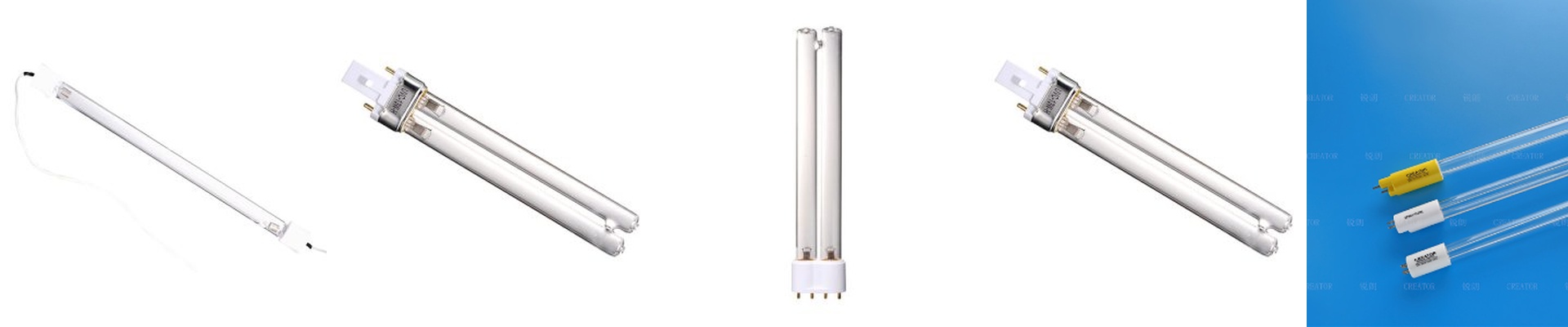
You can’t just use any old glass here. Standard glass blocks UV light, so we use high-purity fused silica for the envelopes. It lets the light through. We also offer different coatings to bounce those internal rays back toward your workpiece, which gives you a much stronger hit of irradiance. But you have to be careful. If the coating is too thick, you risk thermal stress. If you’re running these at max wattage in a tight space, your cooling has to be on point. Otherwise, the quartz will just crack.
Built for the Shop Floor
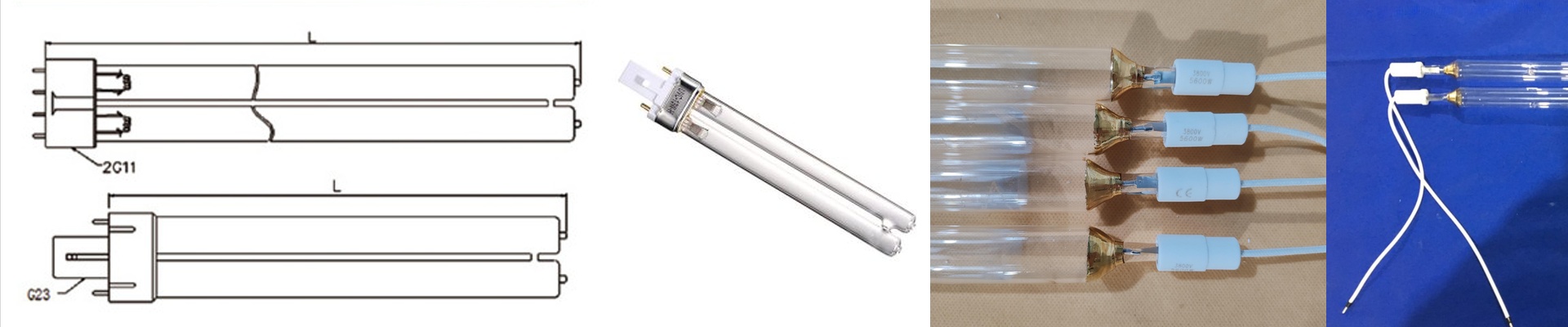
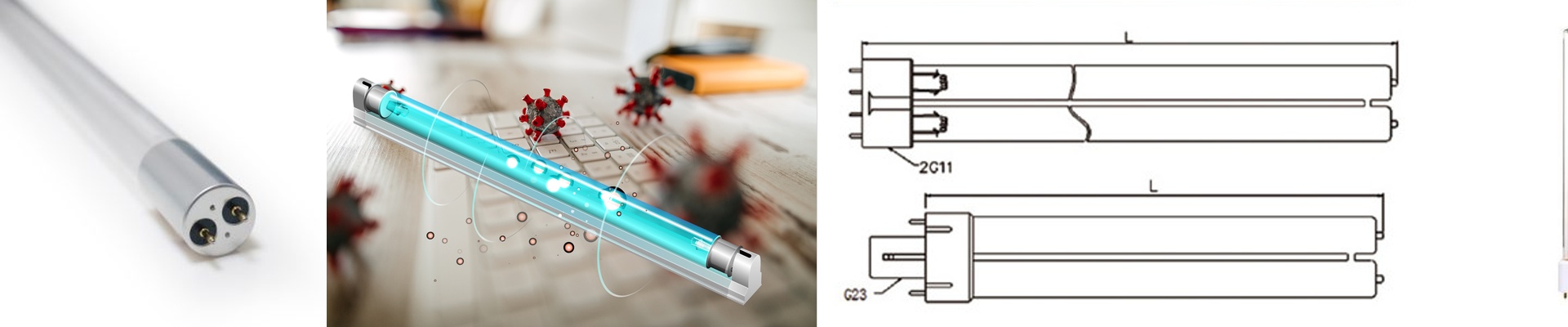
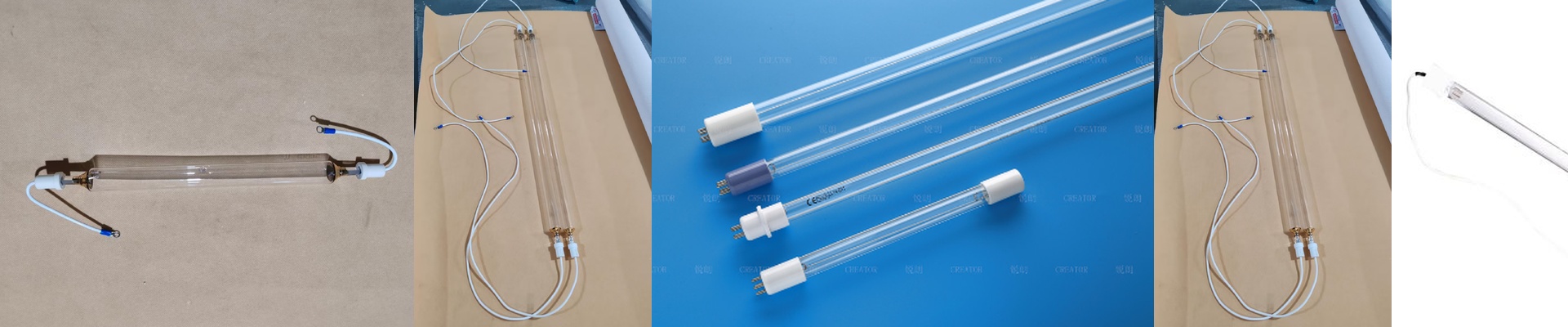
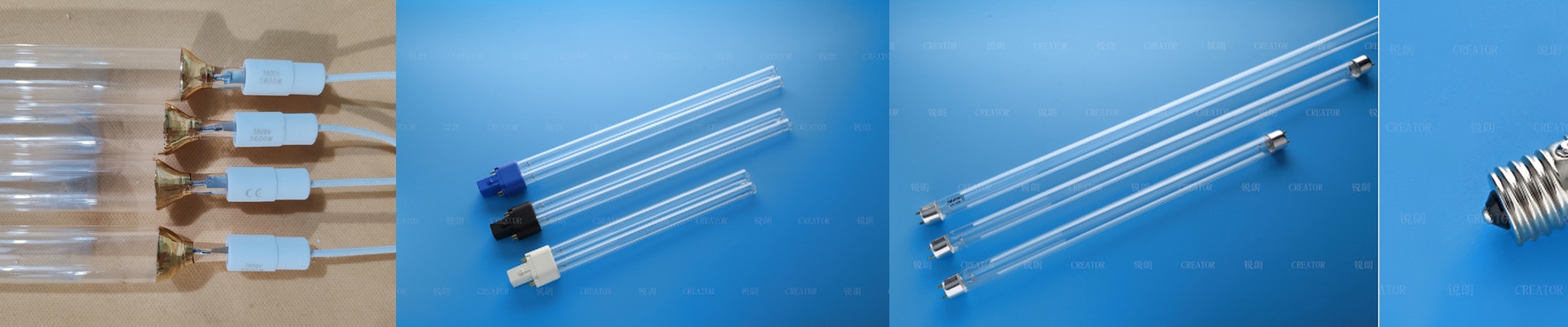
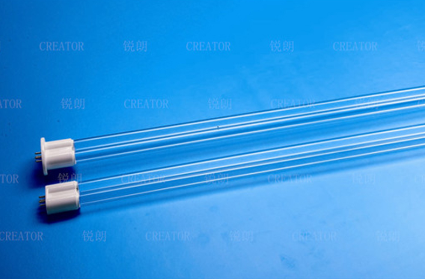
At the end of the day, these need to work in your actual facility, not just in a clean lab. We build them to be drop-in replacements. Whether you need a weird pin configuration or a specific length, we wire them to fit your current ballast. We keep the tolerances tight because nobody wants to spend three hours fighting with mounting brackets during a teardown. As long as your power supply is steady, you get the exact wavelength you asked for. Simple as that.