Getting the Most Out of Gallium Iodide Lamps
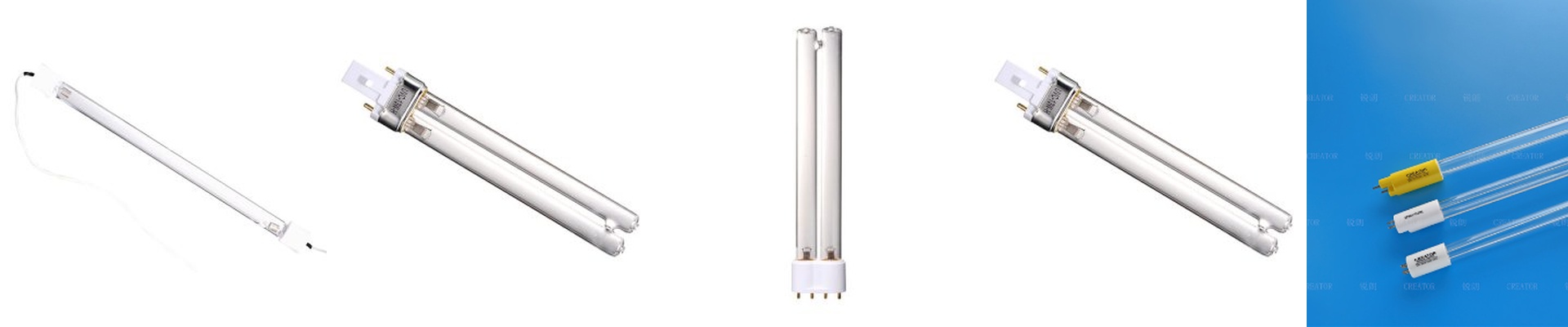
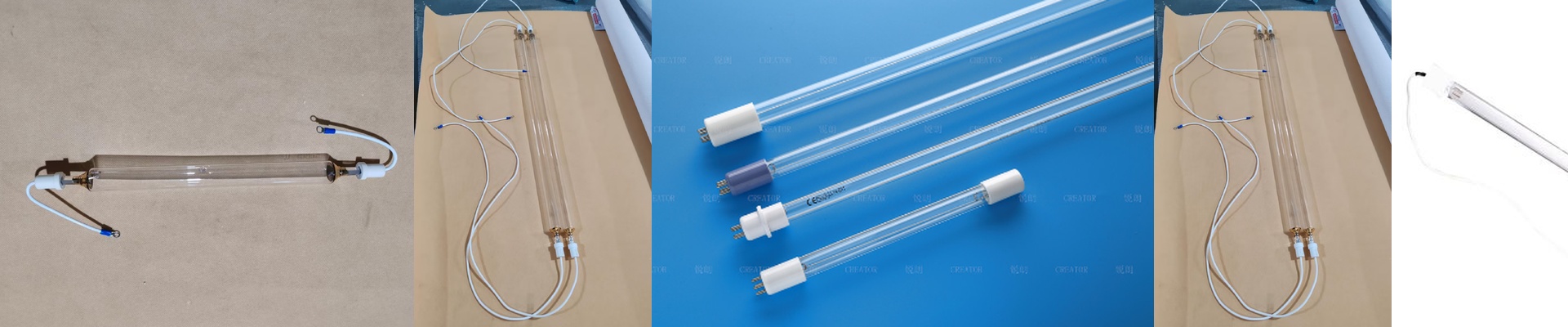
If you’re working with high-end textile printing, you know that standard mercury vapor tubes just don’t always cut it. That’s where gallium iodide lamps come in. We’ve designed these to hit that sweet spot between 300nm and 400nm, which is exactly what those specialty inks and adhesives need to actually set.
The science (without the textbook)
Here’s the thing about the light these lamps put out: it’s different. While a basic UV lamp peaks at 254nm, gallium iodide pushes the light toward the longer-wave end of the spectrum. Why does that matter? Because it lets the light dive deeper into the fabric fibers. Instead of just skimming the surface, the radiation actually gets in there, making sure your ink bonds tightly to the material. No peeling, no fading—just a solid cure.
The build and the “catch”
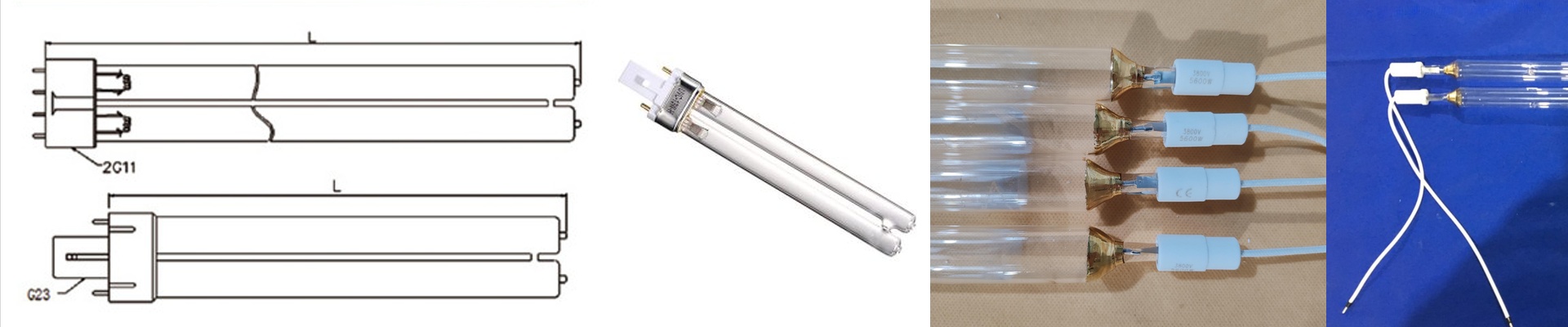
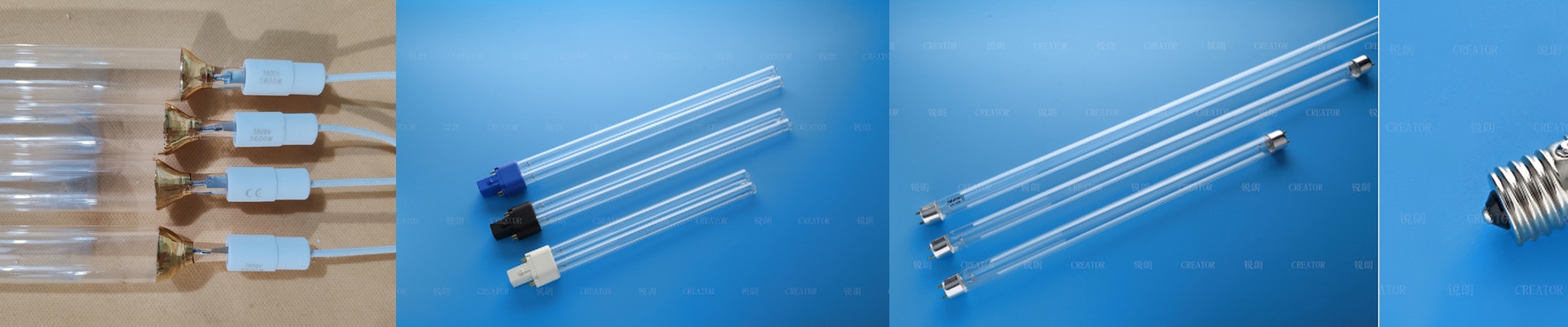
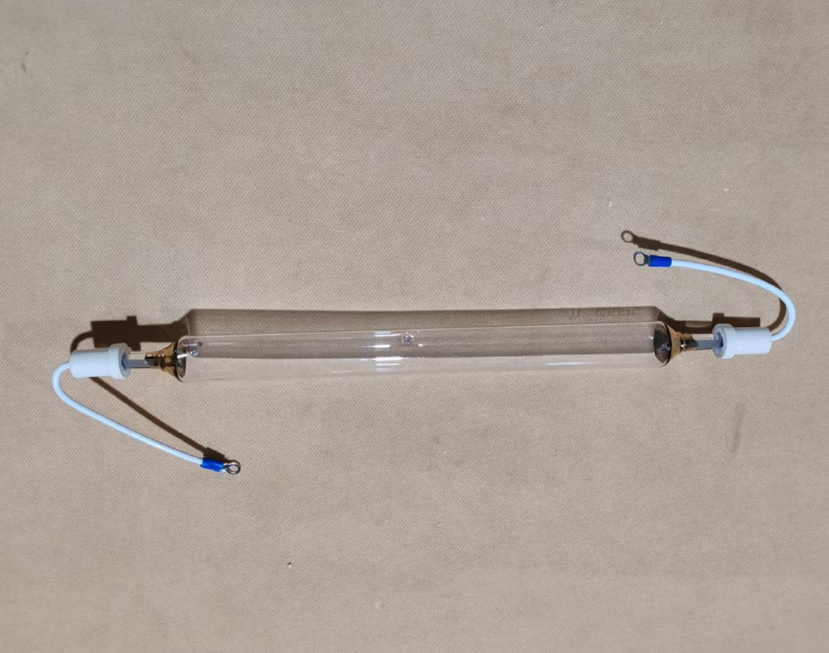
We use high-purity quartz glass for these tubes. We do this to stop “solarization”—that annoying process where the glass gets cloudy over time and kills your UV output. You can pick the length and wattage that fits your conveyor speed. More wattage means more power, which means you can crank up the speed of your line and get more done. But there’s a trade-off. These lamps gethot. Like, really hot. If your cooling blowers aren’t up to the task, you’re looking at warped reflectors or, even worse, scorched fabric. Keep an eye on your thermal load.
Making it work on your floor
In a printing line, these lamps are basically your final safety net. They cure the print the second it hits them, so you don’t have to worry about smudges when the fabric gets folded or packed. One pro tip:Keep the quartz sleeves clean. A little bit of dust or a stray splatter of ink creates a hot spot on the tube. Those hot spots stress the glass, and that’s how you end up with a burnt-out lamp way sooner than you should. To keep things moving, we suggest a simple drop-in replacement strategy. Swap them out during shift changes, and you’ll keep your downtime to a minimum.