Introduction
We’ve spent fifteen years perfecting our UV germicidal lamps. It wasn’t just about hitting some global quality mark. It was about building something that could stand up to the harsh realities of an industrial workspace. Our goal has always been simple: make a lamp that disinfects reliably, every single time, without putting people or equipment at risk.
Power, Voltage, and Size—Getting the Details Right
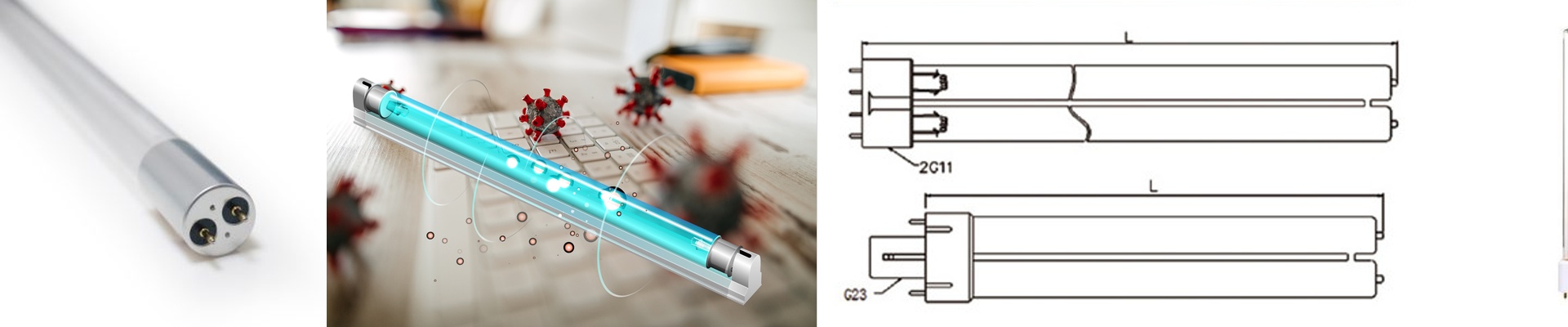
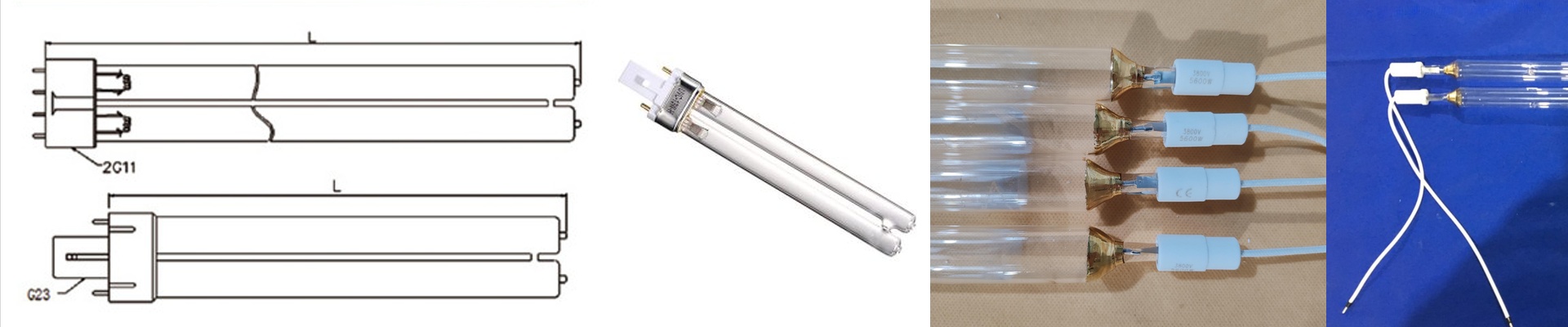
Here’s the thing about UV lamps: they’re not forgiving. They need the right power and voltage to work the way they’re supposed to. So we match our lamps to the power systems already running in industrial settings. And the length? We design it to slide right into standard equipment footprints. No need to re-engineer your whole setup just to make one part fit. But let’s be real—more power means more heat. It’s a trade-off. You get stronger UV output, but your machine has to handle the extra thermal load. That’s why we give you the exact operating numbers up front. So you can plan for cooling and make sure your wiring is up to the task. No guesswork. Just the facts.
Why the Materials and Design Actually Matter
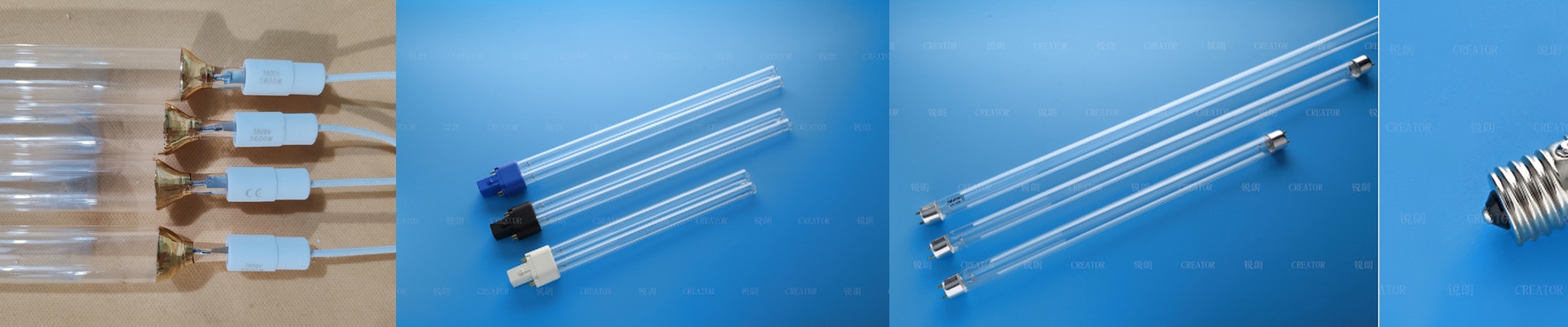
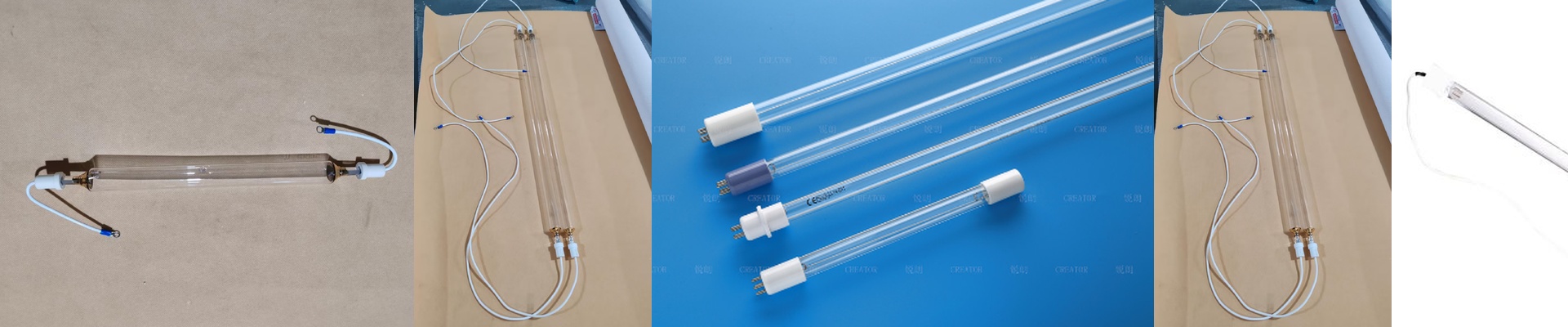
The heart of our lamp is built from quartz and specialized coatings. This isn’t just about making it look good—it’s about keeping UV output steady and protecting the filament over long burn cycles. And the connectors? We chose heavy-duty ones like R7s and Sk15 because they’re built for industrial life. They handle high current and don’t quit when the shop floor starts shaking. These parts live in the trenches. They get hammered by heat, cold, and constant movement. So we pick materials that can take the stress—ones that hold their shape and performance even after thousands of cycles.
Solving Real Problems on the Factory Floor
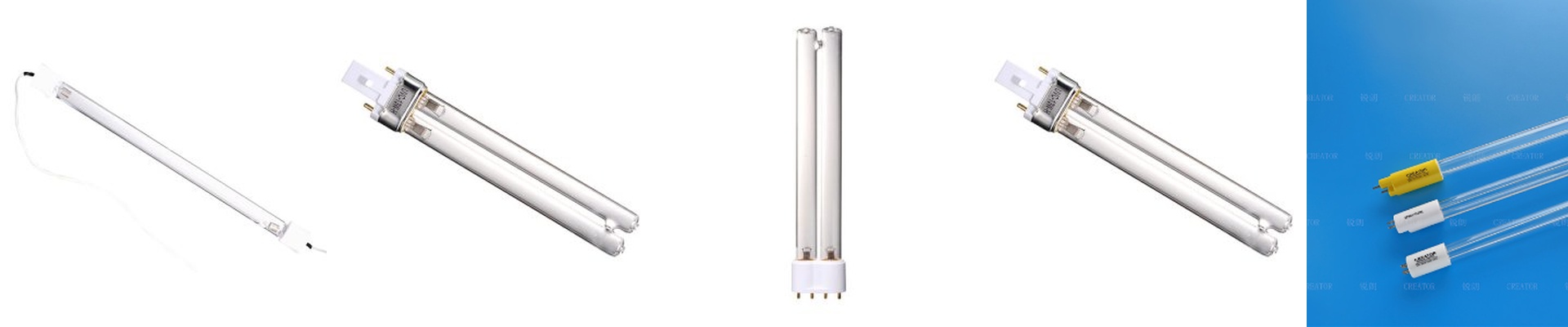
On the production line, a UV lamp can’t be a headache. It needs to work, and it needs to keep working—through long shifts, without drama. That’s why our lamps are built as direct replacements. When it’s time for maintenance, you swap it in and get back to work. No downtime. No fiddling. We designed this for engineers who need consistency. The lamp fits the space, wires up without hassle, and holds its output over time. Just keep this in mind: the more power you pack in, the more you have to pay attention to cooling and electrical protection.
Safety Isn’t a Box to Check
Meeting international safety standards isn’t something we tack on at the end. It’s baked into the design from day one. We test for electrical isolation, thermal limits, and proper shielding—because protecting the people working near these lamps is non-negotiable. The result is a lamp that brings industrial-strength performance without crossing the safety lines your facility demands.