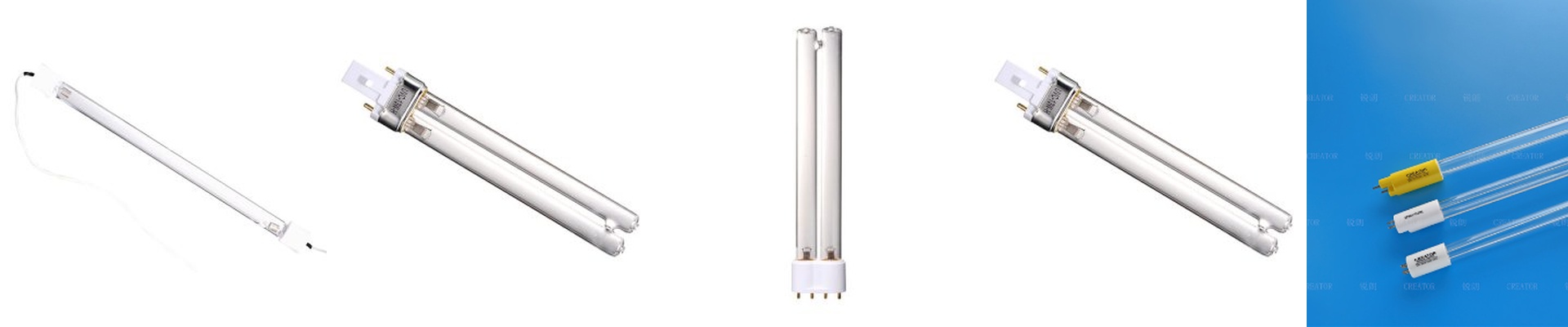
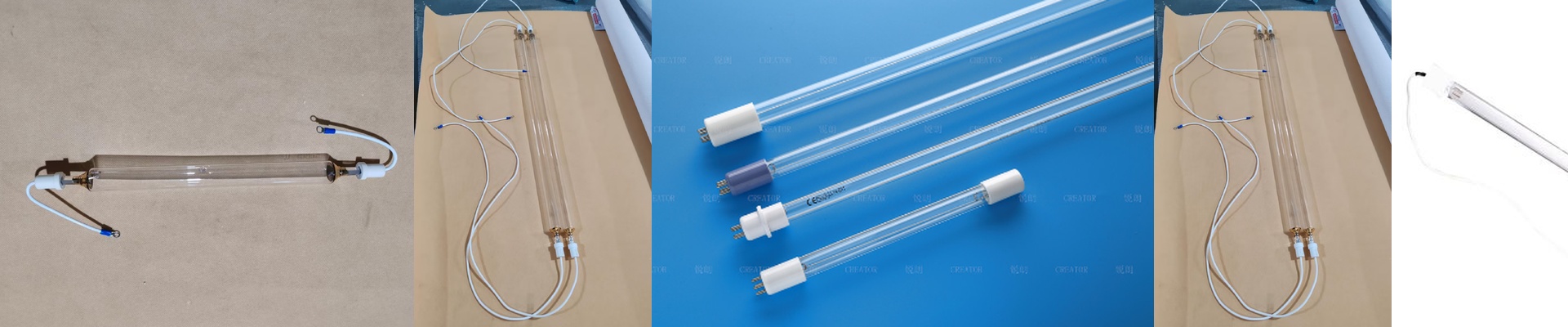
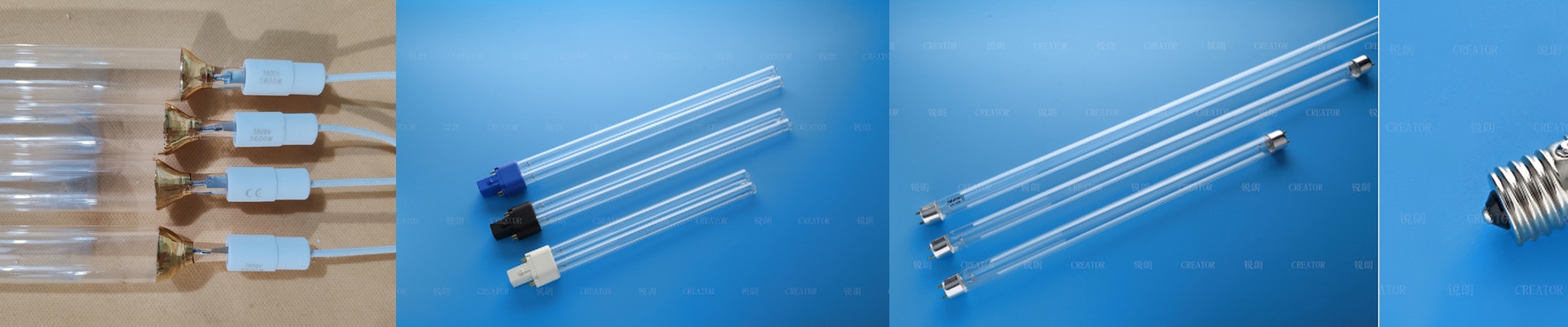
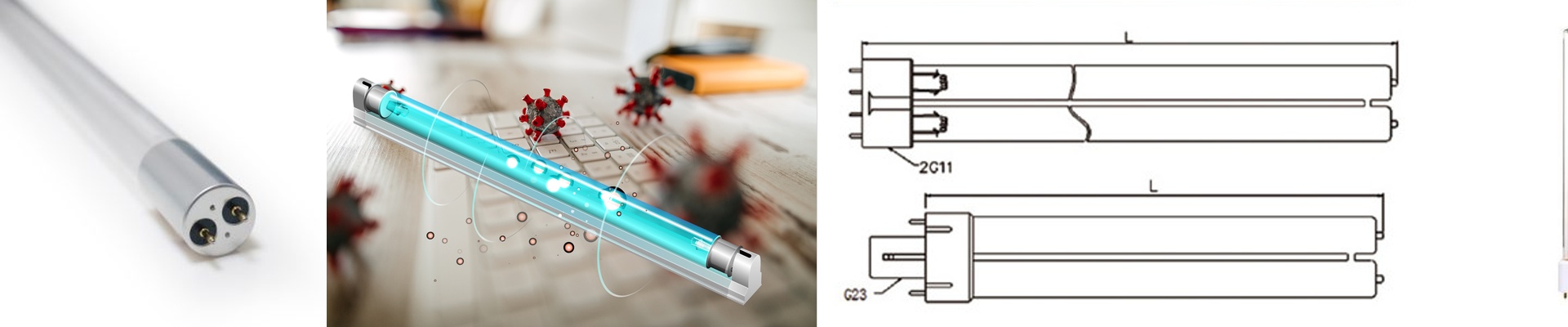
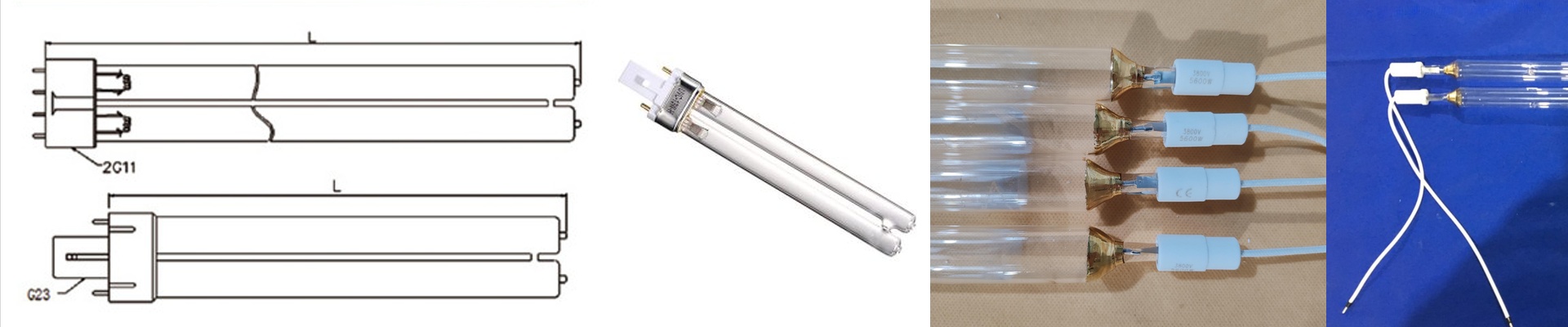
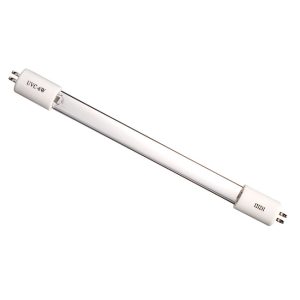
Kitchen UV germicidal lamps don’t always fail with a warning light. More often, they die quietly—blackening at the tube ends. That isn’t cosmetic. It’s a clear sign of electrode stress, usually from too many start cycles or a ballast that doesn’t match the lamp. Every start is an arc, and every arc eats away at the emissive coating. If the lamp gets cycled on and off constantly, the wear accelerates fast. A ballast that’s under-matched won’t deliver the correct starting voltage or operating current. The lamp ends up running hotter, and life takes a nosedive. Here’s the point: UVC quartz germicidal lamps are meant to run as a matched system—lamp and ballast together. We design these lamps for stable 254nm output, and they have specific ignition requirements. The ballast has to provide the specified open-circuit voltage and hold current regulation within tolerance. Electrode design and fill gas pressure set the starting profile; if those parameters are off, you get flicker, an unstable arc, and faster end-blackening. We specify electronic ballasts that are compatible, limit start surge, and keep irradiance consistent over the life of the lamp. In kitchen environments, lamps get cycled by cleaning schedules and occupancy controls. A matched system cuts down on electrode wear, so you get longer usable life and stable output. That means disinfection stays consistent—no premature drop-off that leaves microbial control unpredictable. Fewer replacements, maintenance you can plan, and a dependable dose every run. A couple of practical notes. Lamp orientation and fixture airflow directly affect operating temperature and life. Always verify the ballast type and pin configuration against the lamp before you install. For high-cycle duty, a ballast with soft-start helps reduce electrode erosion.Match the lamp to the fixture, not just the socket.