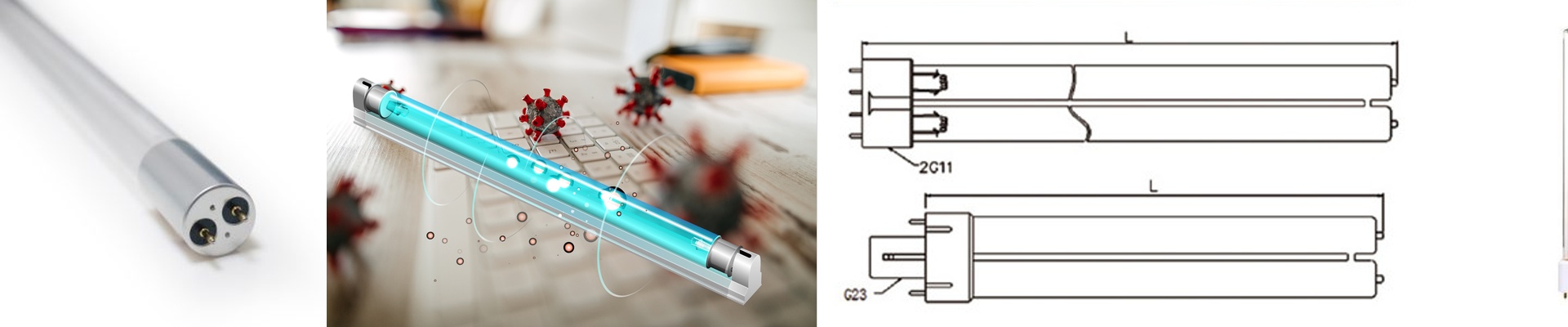
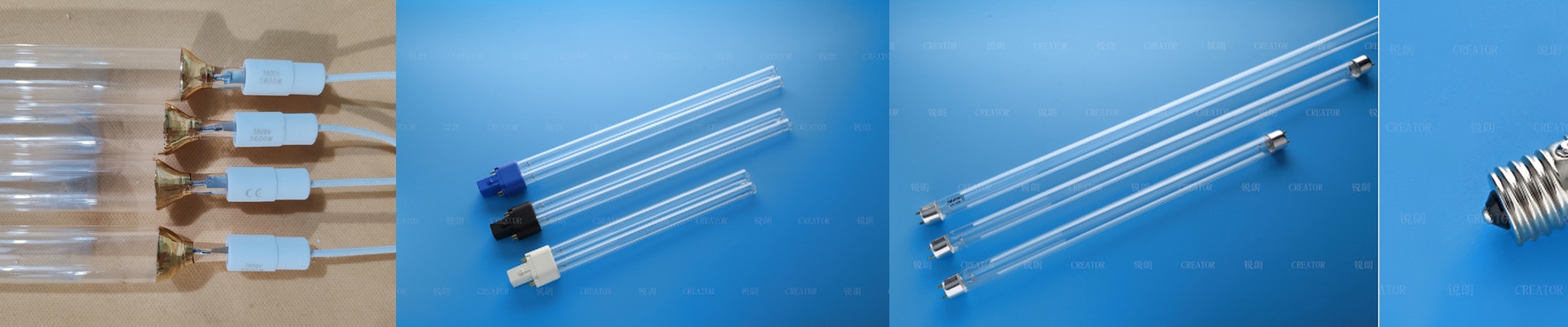
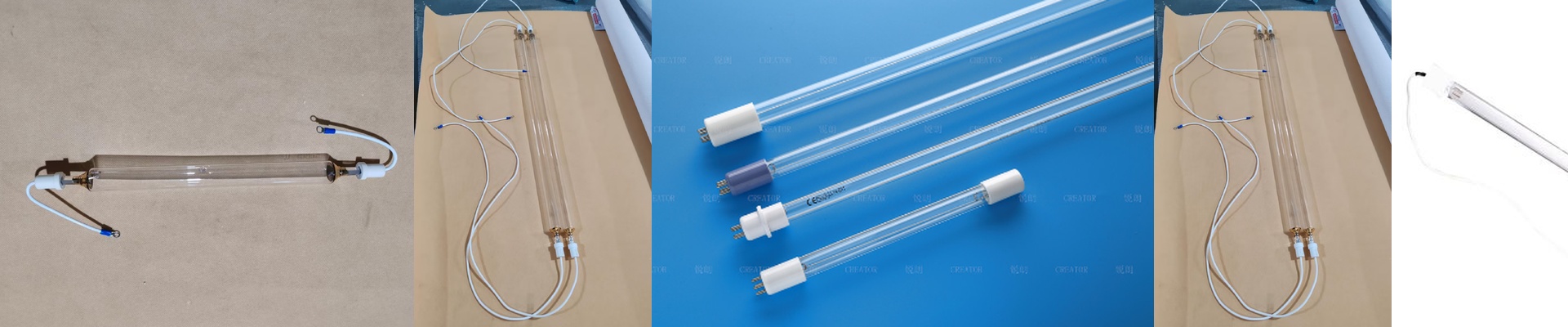
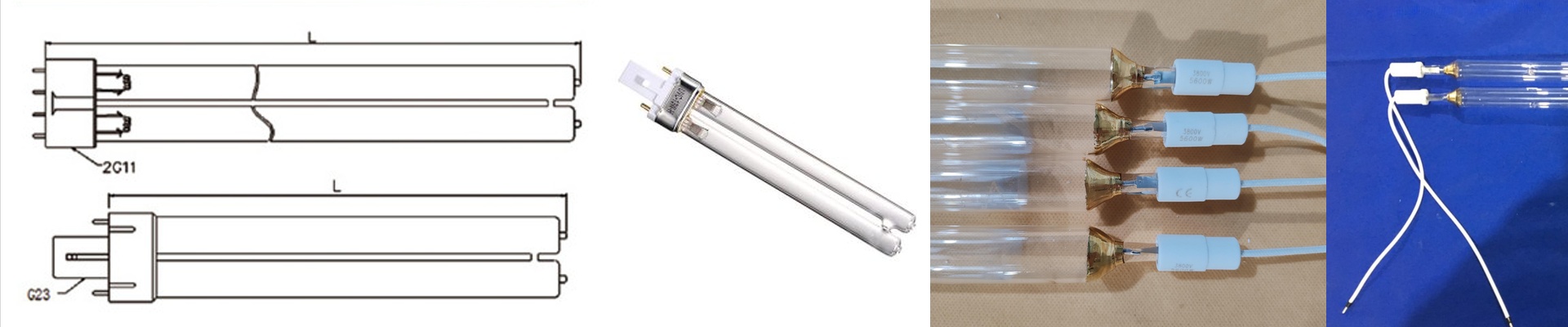
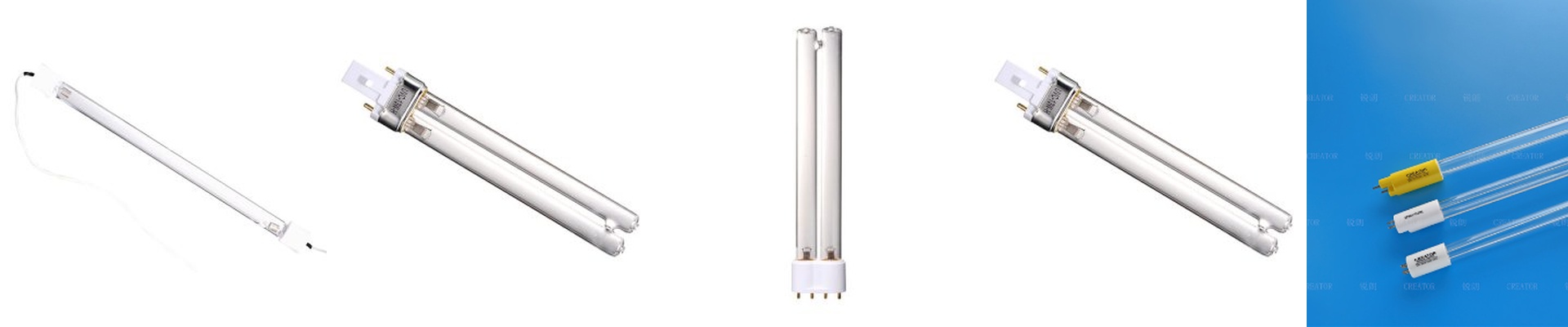
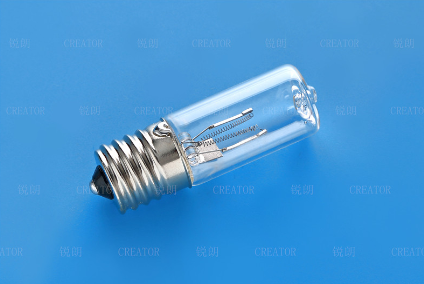
Home appliances—dishwashers, shoe cabinets—aren’t just expected to be convenient anymore. They’re being asked to prove they can disinfect. The hard part is packing industrial-grade germicidal performance into tight spaces, without overheating anything, and without making the assembly more complicated than it has to be. We built a UVC lamp module around a 420nm spectral peak to hit that mark—and to give your product a performance claim you can actually defend. What actually matters on the technical side The 420nm peak is chosen because it aligns with how DNA and RNA absorb energy, triggering photochemical disruption that stops microbes from replicating. We pair that wavelength with a compact, appliance-rated quartz sleeve and a reflector geometry that gives you a predictable irradiance map. Output is calibrated so the delivered dose at the target surface clears the required microjoule-per-square-centimeter threshold, even when dwell time is short. The module runs ozone-free, stays inside tight thermal limits, and uses a standard connector so it drops into your line without a fight. Why this fits the real-world constraints In a shoe cabinet, you need uniform coverage across multiple surfaces—no hot spots, no shadows. In a dishwasher, you need disinfection you can count on during short cycles, without pushing the chamber temperature beyond the design limit. The 420nm UVC module delivers repeatable dose control, consistent start-up, and long life—meaning fewer service calls and fewer warranty headaches. It also makes compliance documentation cleaner, because the output envelope is stable and measurable. A few shop-floor essentials UVC is effective, but it’s not something you run loose. The module has to be installed behind shielding or fully contained within a chamber so there’s no direct exposure. Give it airflow or heat sinking to keep the lamp junction temperature in spec. Overheating shortens lamp life and shifts spectral output—no surprises there. Check mechanical clearances early. Reflector depth and connector orientation can bite you in tight chassis layouts. And plan for end-of-life detection. Output decays gradually, so a sensor or timer keeps you from missing the drop-off.