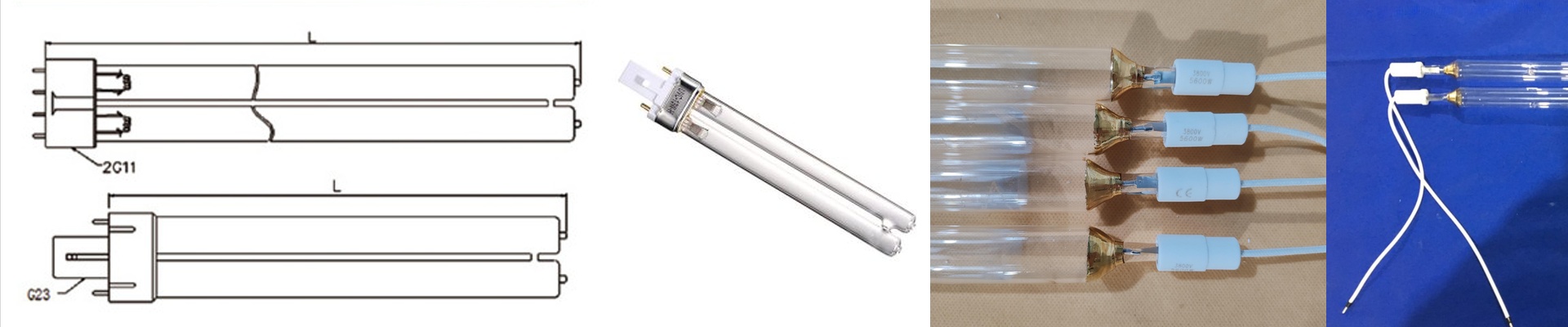
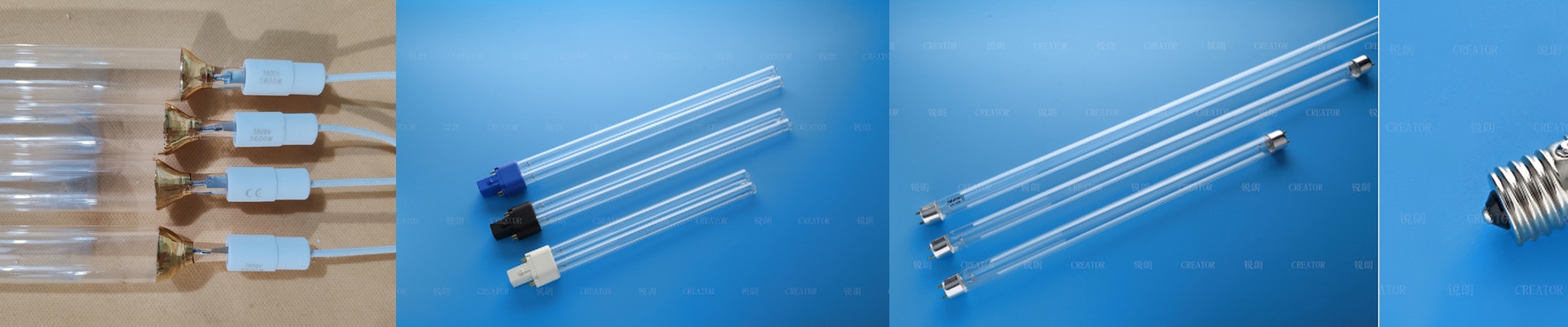
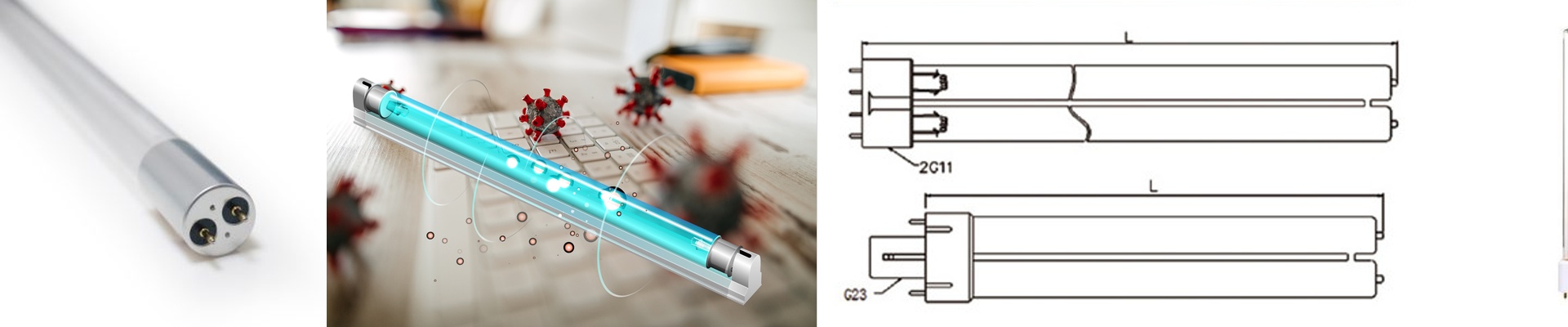
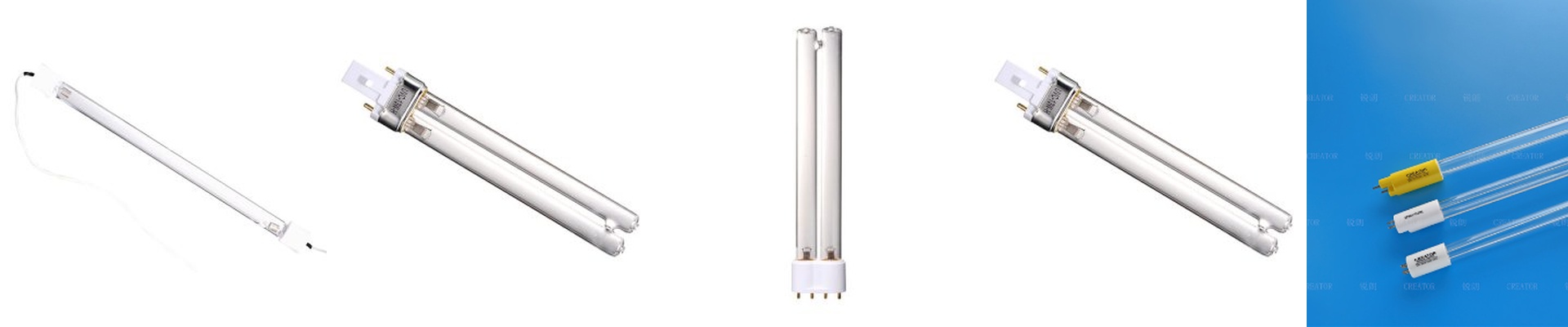
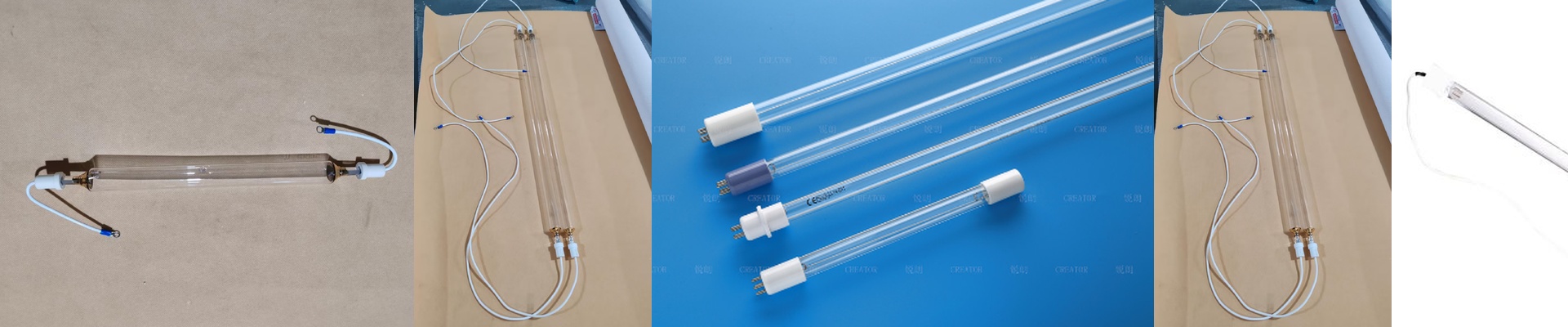
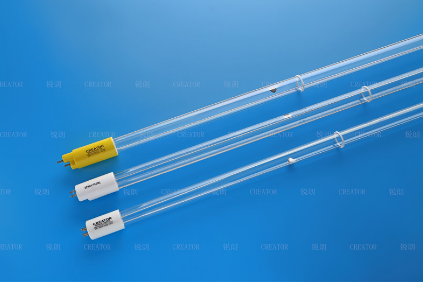
On the plant floor, those smart UV lamps with remote energy monitoring are only as good as the optical path that delivers consistent output. The moment the quartz shield clouds, gets scratched, or warps from thermal stress, transmission takes a hit. Your setpoints drift. Curing energy density drops. You start seeing tails on the cure profile, adhesion problems on the substrate, and more scrap piling up. The shield isn’t just a passive window—it’s part of the lamp’s optics. We build quartz glass shields for UV lamps to keep spectral output and peak irradiance steady through long runs. In high-pressure mercury vapor systems, that means holding the 365 nm output and preserving the broadband tail that supports photoinitiator absorption across the spectrum. With LED-arc hybrids, it means protecting the 385–405 nm window and keeping the arc gap stable. Remote energy monitoring is useful, but only if the lamp is actually emitting what the sensor thinks it is.
What matters, technically
Quartz for UV curing isn’t just “glass.” Fused quartz gives you high transmission from deep UV through the visible, low thermal expansion, and the thermal shock resistance that survives repeated starts. The specs matter.
- Transmission: High transmission in the 240–400 nm band, with low absorption at 365 nm. That keeps the lamp’s spectral output close to the design curve, so photoinitiators respond predictably.
- Thermal stability: A low coefficient of thermal expansion limits stress during thermal cycling. The shield stays flat, so the gap and irradiance across the substrate stay uniform.
- Purity: Keep metallic impurities low to reduce solarization and browning. That protects output over time and keeps lamp-to-lamp repeatability.
- Geometry and tolerance: Control wall thickness and flatness tolerances to prevent focal shifts and hot spots. Precision shields keep peak irradiance even across the web.
- Ozone management: For ozone-free operation, the shield works with reflectors and chamber geometry to limit 185 nm breakthrough. That cuts maintenance and keeps operators safer. In practice, these details translate into stable curing energy density. You hit the target mJ/cm² on the first pass—no need to back off speed and add extra lamps.
Why this matters on the line
We’re talking about the next generation of smart UV lamps—the ones with remote energy monitoring that reports lamp power, arc time, and energy density. The value only shows up if the optical path is stable. A degraded shield throws the readings off, and the system ends up chasing a moving target. Our quartz glass shield keeps the signal honest.
- Consistent spectral output means the photoinitiator gets the same dose at the start, middle, and end of a run. No tails. No over-cured edges.
- High peak irradiance at the cure plane supports instantaneous cross-linking. That’s what lets you run higher line speeds without giving up surface cure or adhesion.
- Deep UV transmission helps cure deep layers when you’re running thick ink or coating stacks. The dose penetrates, not just skins.
- Thermal control keeps the lamp operating within design limits. Fewer thermal shutdowns, a stable arc gap, and predictable lamp life follow. When these are in place, remote energy monitoring becomes actionable. You can see the data, trust it, and adjust before the job starts to drift. On the floor, the results are real. Fewer rejects from incomplete cure. Less downtime chasing cure quality. And lower energy per part because the lamp runs at the setpoint, not the safety margin.
What you need to know
Quartz shields are tough, but they still have real-world limits. Installation: Install the shield within the specified tolerances. Misalignment changes the gap and can create hot spots. Use the right gasket and follow the torque sequence. Don’t overtighten. Compatibility: Not all lamps share the same shield geometry or mounting. Match the shield to the lamp model and reflector design. A mismatch can shift spectral output and cut reflector efficiency. Cleaning: Wipe only with solvents that are compatible with quartz. No abrasives—scratches scatter light and reduce transmission. Handle the edges carefully. Edge chips can propagate under thermal stress. Temperature: Rapid thermal shock can crack quartz. Stick to the warm-up procedures. Keep cold air drafts off a hot shield. The material can handle high heat, but thermal gradients are its weak spot. Maintenance schedule: Track transmission and inspect for clouding. Replace based on output drift, not just hours. A shield can look fine while transmission has drifted enough to push cure energy out of spec. If you’re running smart UV lamps with remote energy monitoring, the shield is part of the sensor loop. Keep it right, and the data stays honest. Keep it clean, aligned, and matched, and the lamp delivers the dose the process expects—every time.