Introduction
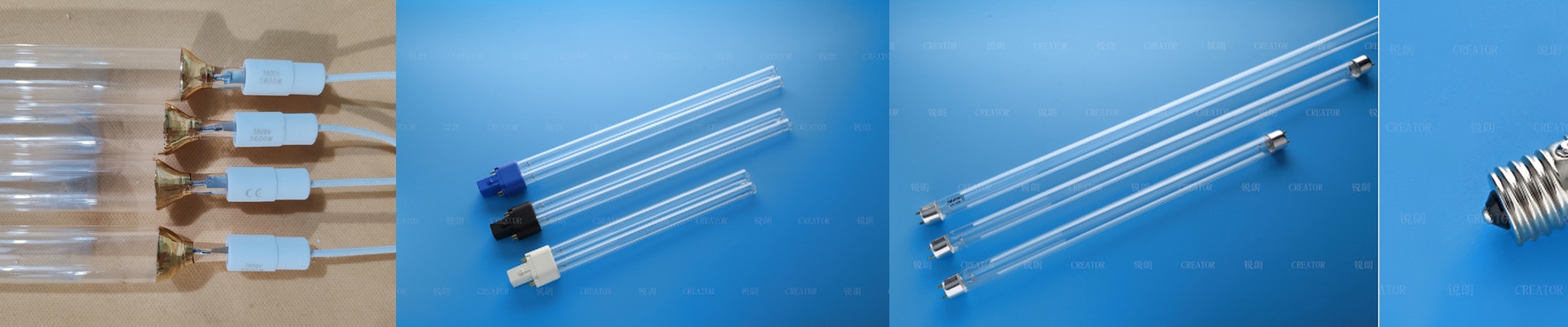
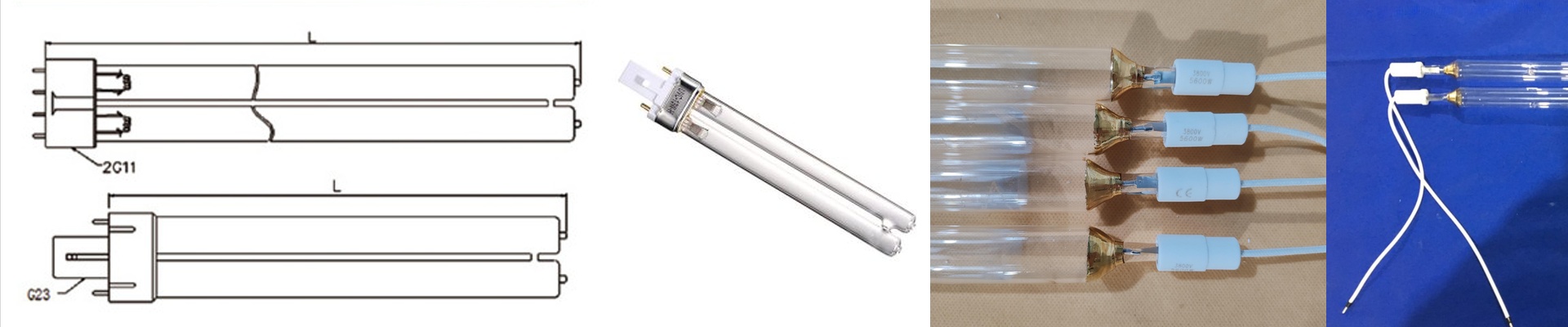
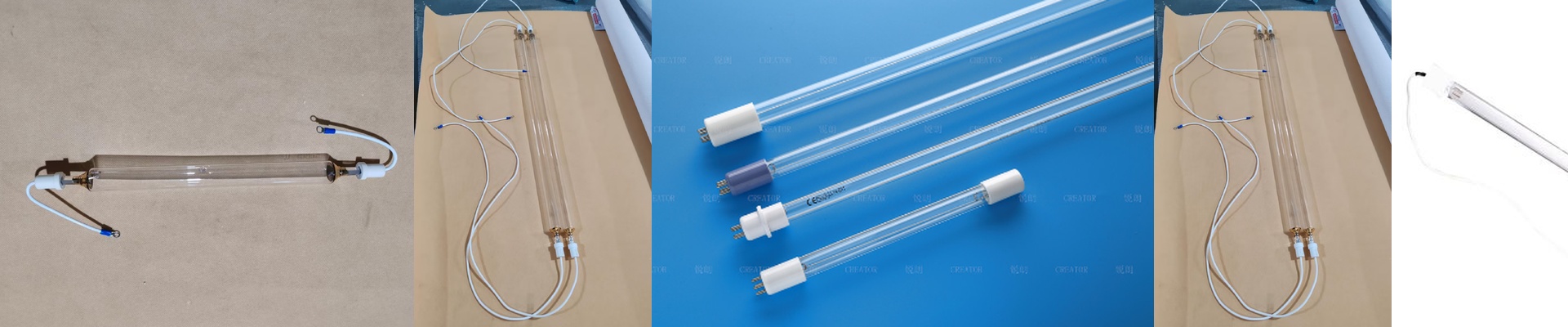
We built the Excelitas UV lamp for one place: the industrial curing line. The kind of line where you can’t slow down, and you can’t afford surprises. The whole point is straightforward—give you steady, dependable ultraviolet output that makes UV-curable inks, adhesives, and coatings cross-link instantly. When your line is screaming along, the lamp has to fire right away, stay hot without wavering, and keep delivering the same punch, shift after shift.
Power, Voltage, and Geometry: What’s Really Happening Under the Hood
UV curing comes down to power density. You need a burst of UV intensity strong enough to kick off photopolymerization in a blink. So we built a system that leans on high voltage and high wattage, packed into a footprint that doesn’t take over your machine. A 400V input keeps ignition steady and the arc under control, even when your line voltage wobbles a bit. Pair that with 2500W, and the arc gets up to temperature fast. That matters when you need full output after a short warm-up, not after you’ve been waiting around. We size the tube length to match typical curing zones, so the UV stays concentrated across the target width. You get an even cure without having to overthink the reflector cavity. Here’s the trade-off: packing high wattage into a compact tube creates a lot of heat. Your machine needs solid airflow and reflector cooling. If the chamber overheats, output dips—and your cure consistency goes with it.
Material and Design: The Details That Keep It Honest
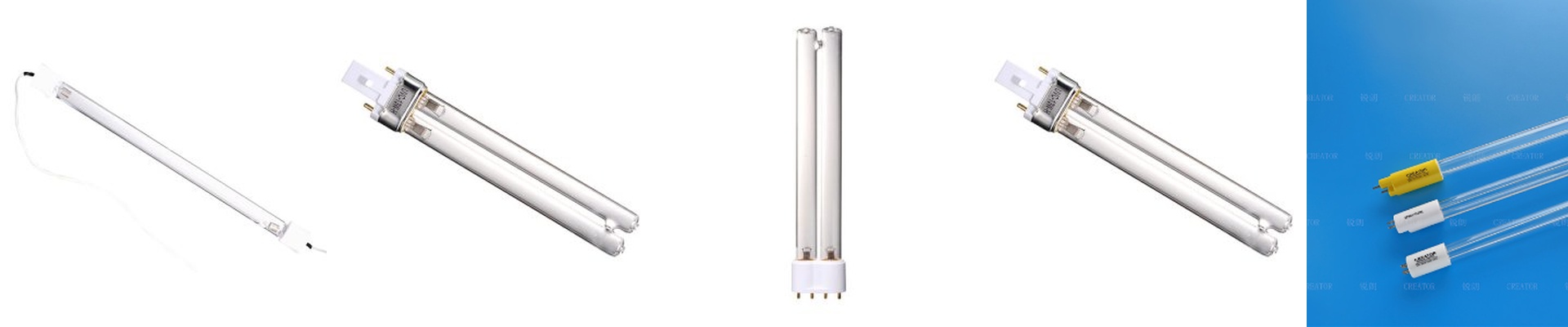
Inside the tube, the halogen fill chemistry keeps the arc stable and the UV output consistent over the life of the lamp. The quartz envelope isn’t just tough against heat. It transmits the UV spectrum that actually gets the photoinitiators in your ink excited and working. And the quartz sleeve holds up when you’re cycling the lamp on and off quickly, handling the thermal shock without cracking. Then there’s the R7s connector. It’s a practical, industrial choice for a reason. Two solid contacts that handle high current, and it drops right in as a replacement. The connection stays mechanically secure, so the vibration of a production floor won’t cause arcing or those maddening intermittent contacts.
What It Feels Like on the Shop Floor
On the line, this setup has one job: hit the curing window—every time. The UV burst hits the ink, the photoinitiators get excited, and the molecules cross-link almost instantly. That’s how you get dry-to-touch in seconds instead of feeding everything through a long oven. The payoff for you is real: faster line speeds, less floor space per unit, and way less energy spent heating substrates. Because the lamp holds its output steady, you see fewer rejects from under-cure. And when it’s time for maintenance, the R7s termination keeps it quick. Just keep the whole system in balance—cooling, reflectors, and line speed all matched—and the lamp will keep performing the way it should.