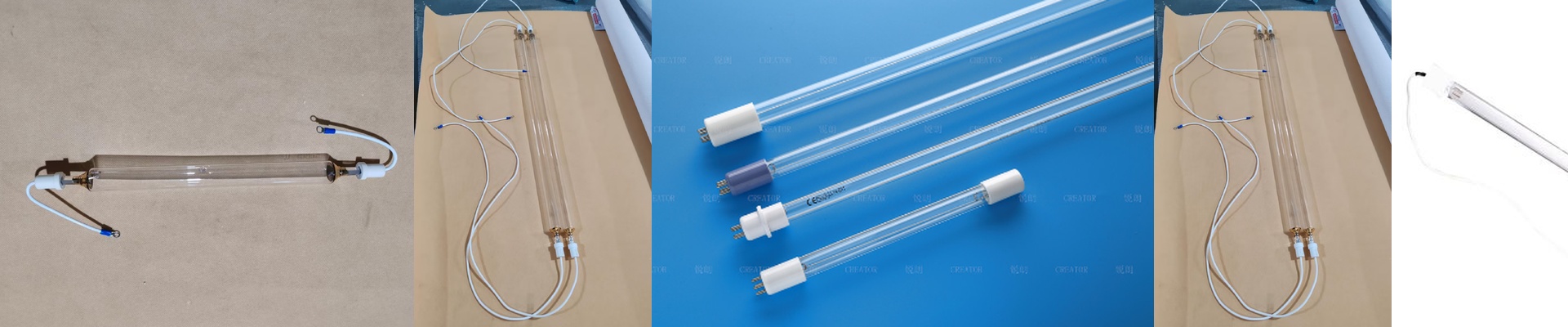
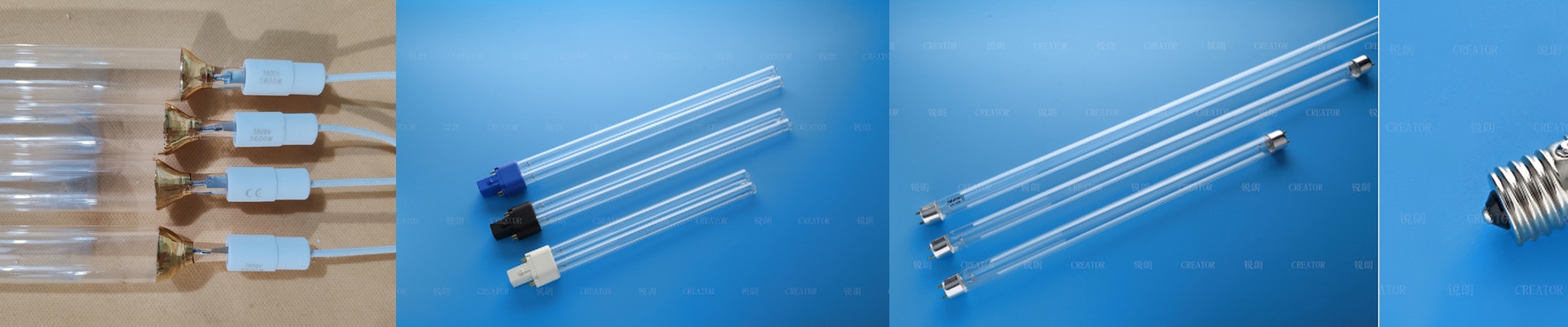
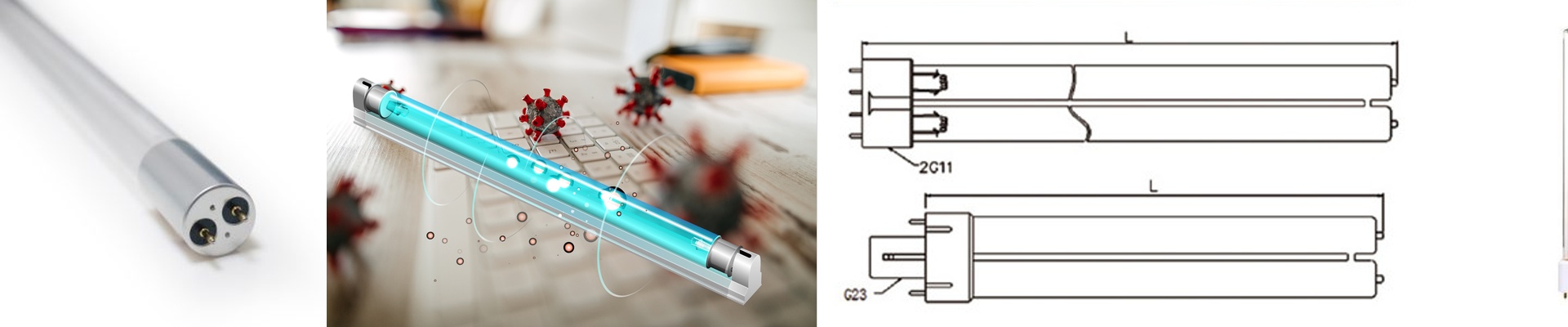
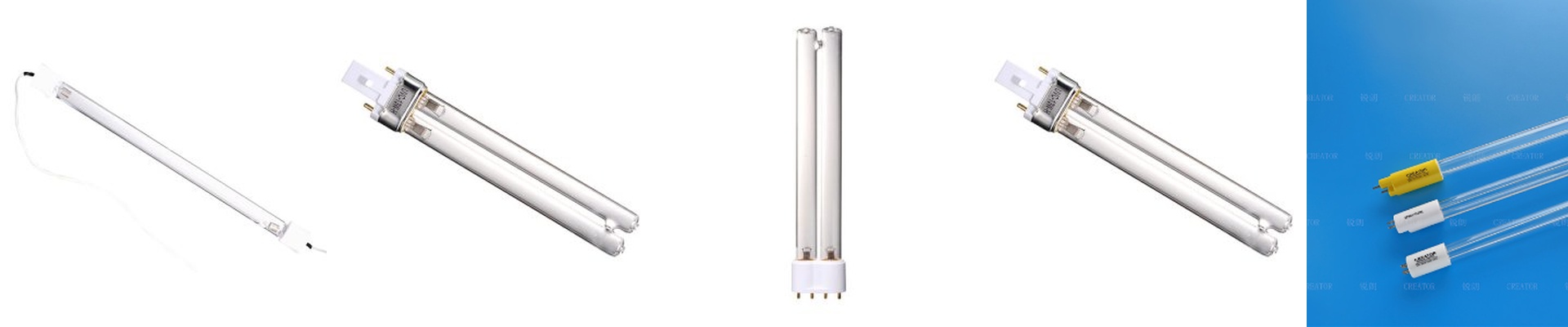
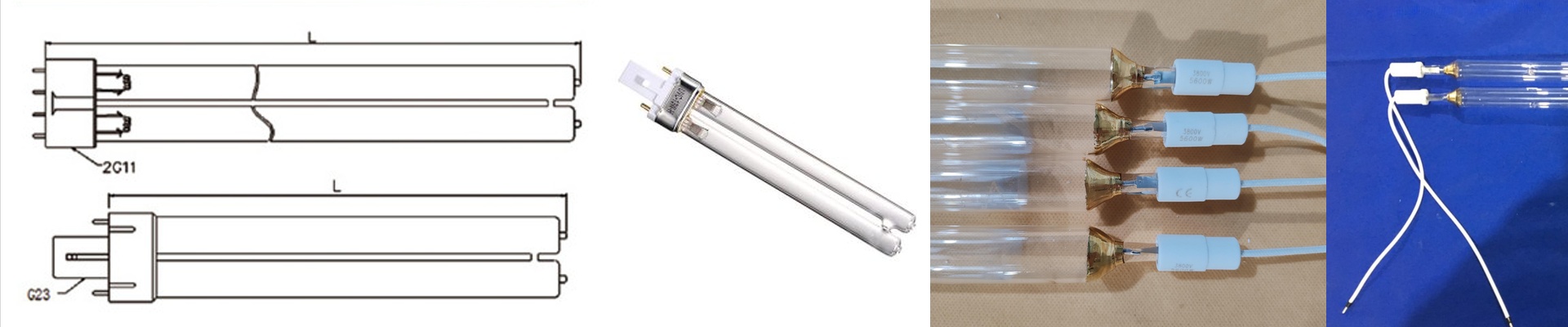
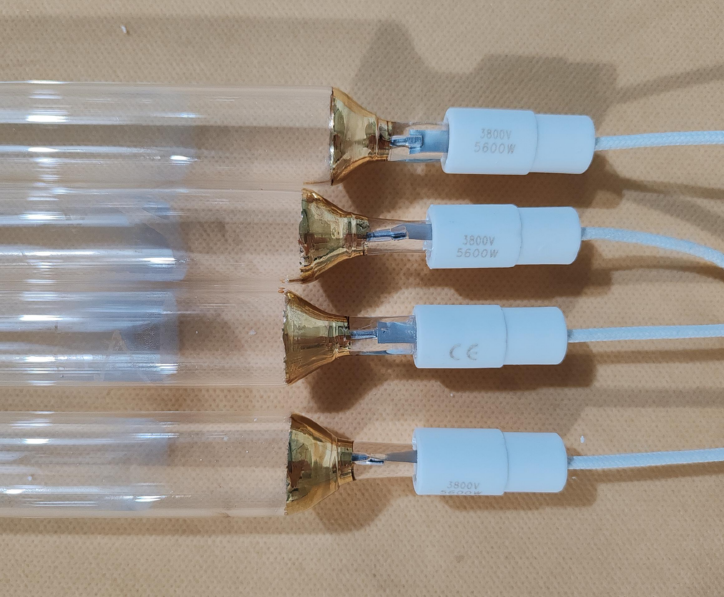
Lab reactors can’t afford spectral noise. Run a photoinitiated reaction with the wrong UV source and you’ll get parasitic wavelengths that throw off quantum yields and wreck repeatability. For serious photochemistry, a metal halide gallium UV lamp is the straight engineering call. What actually matters under the hood We build these lamps around a stable, narrow-band output profile. The gallium dopant gives you strong, usable emission at 365nm, and the metal halide blend is tuned to suppress out-of-band energy that heats samples and opens up extra reaction pathways. Peak irradiance stays repeatable batch after batch, and arc stability keeps photon flux consistent over time. You get a stable spectral envelope, not a drifting continuum that forces you to re-validate every run. In a lab reactor, spectral purity is control. With a defined 365nm profile, you match photoinitiator absorption windows cleanly, improve selectivity, and cut down side reactions driven by stray short-wave or long-wave energy. The lamp’s fast warm-up and steady output shorten the cycle between experimental runs, and stable irradiance makes replicates line up. The energy lands where the chemistry needs it. A few practical notes. These lamps are ozone-free and work with quartz sleeves and standard reactor geometries, but they need matched power supplies and reflector optics. Output is sensitive to fixture alignment and cooling—airflow and thermal management have to hold arc temperature steady. Before you lock in wattage and geometry, verify your reactor’s spectral window and irradiance requirements.