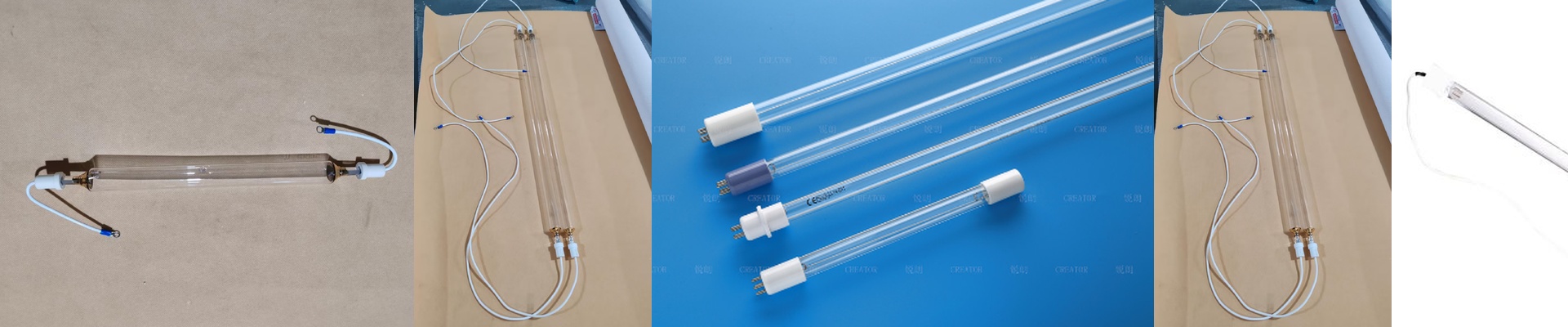
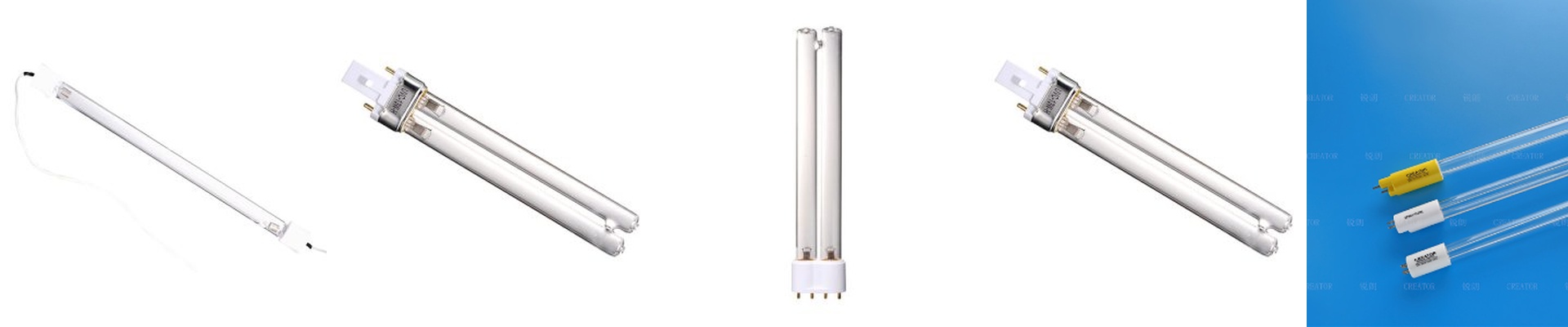
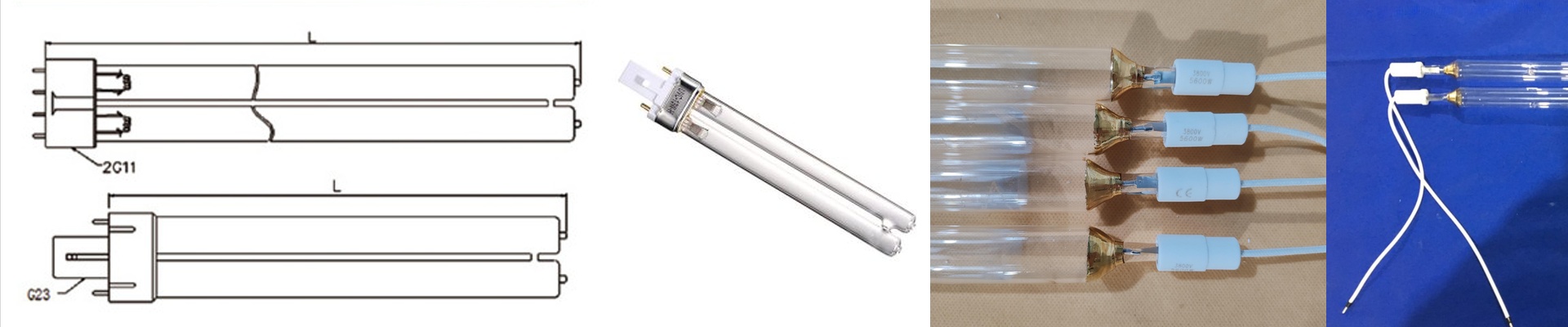
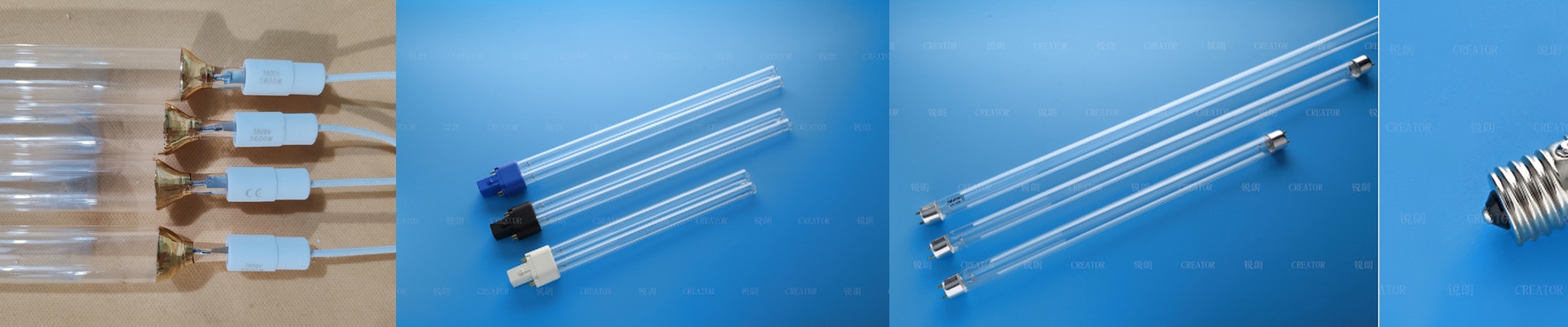
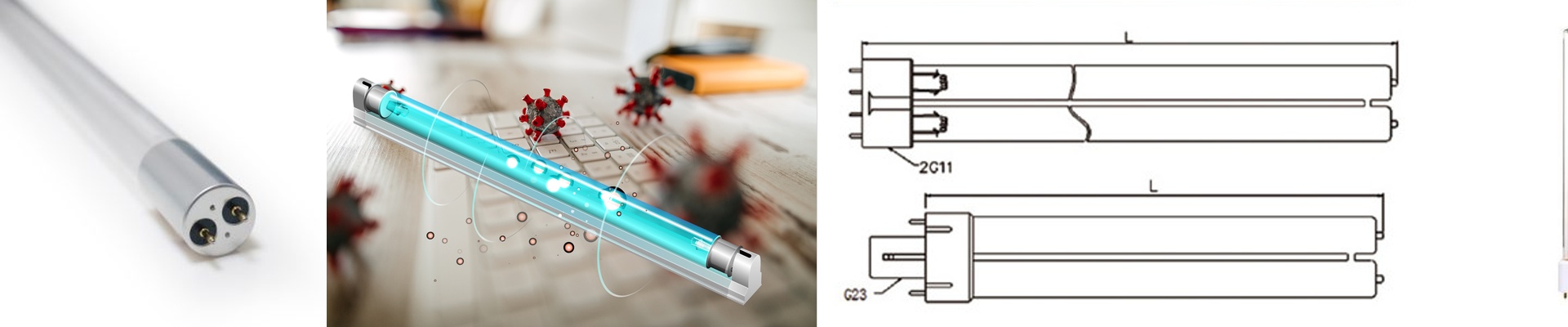
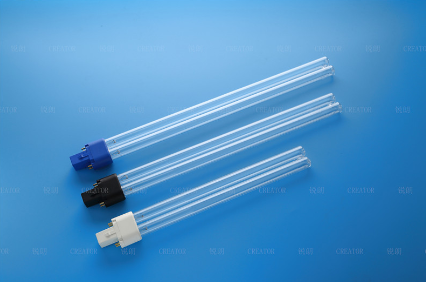
Out on the floor, a commercial UV germicidal unit stalls the moment the lamp refuses to strike. Everyone points at the lamp, but nine times out of ten the issue is the trigger—electrical timing that’s off and never delivers the right ignition pulse. When the strike fails, you bleed dwell time, risk microbial breakthrough, and throw power at a system that never reaches its rated spectral output. What actually matters under the hood A germicidal lamp is a low-pressure mercury vapor device built around that dominant 254 nm line. It needs a trigger that delivers a high-voltage pulse with a clean rise time and enough energy to establish the arc without hammering the electrodes. If the trigger’s open-circuit voltage, lead inductance, and capacitor bank aren’t matched to the lamp’s electrode gap and gas fill, you get repeated attempts, electrode sputtering, and a premature end-of-life. And output stability comes down to stable current regulation—without it, spectral distribution drifts and the effective dose at the target surface becomes a guess. Why this pairing makes a difference in production On the line, the trigger-lamp combination has to strike on the first try, shift after shift. When it’s matched properly, the assembly hits the required peak irradiance fast, the lamp settles at the correct operating point, and the 254 nm output stays consistent. That consistency means predictable microbial inactivation, dose calculations you can trust, and fewer unplanned stops. It also cuts wasted energy from repeated ignition cycles and extends lamp life by keeping unnecessary stress off the electrodes. The practical details you can’t skip Matching isn’t plug-and-play across fixtures. Electrode geometry, ballast type, and reflector geometry all change the load the trigger sees. Verify connector pinout, lead length, and the maximum allowable trigger repetition rate for your specific housing. Expect about a 5–10% output settling time after ignition—line up your process timing with that window. And if the fixture uses a quartz sleeve or coating, confirm ozone-free operation.