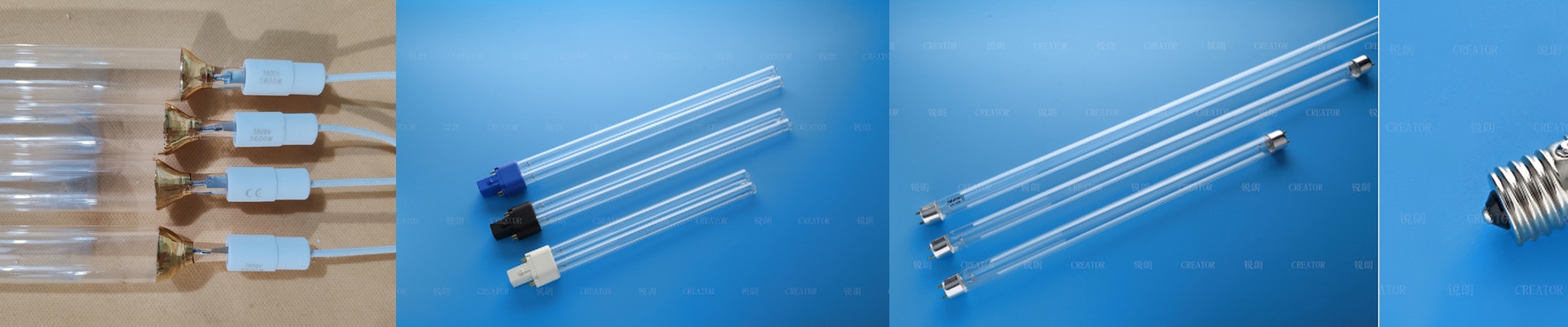
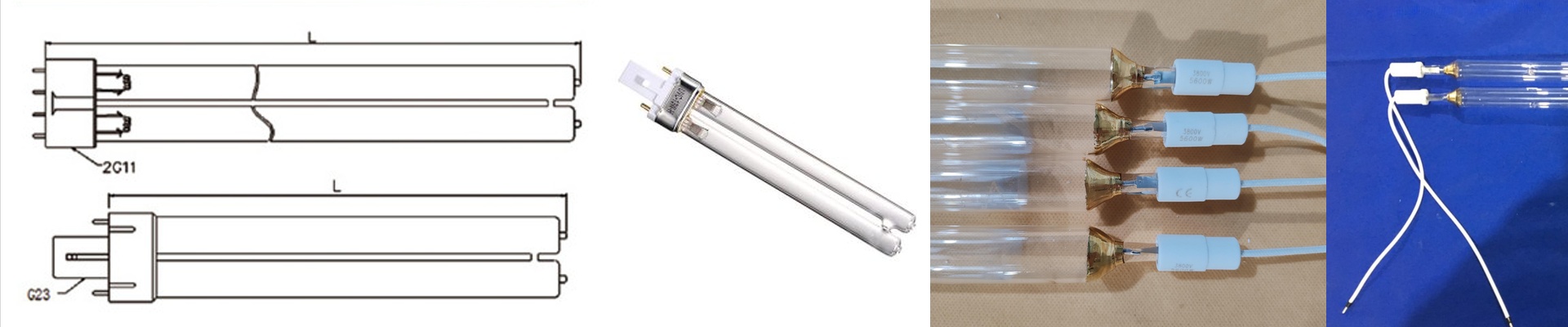
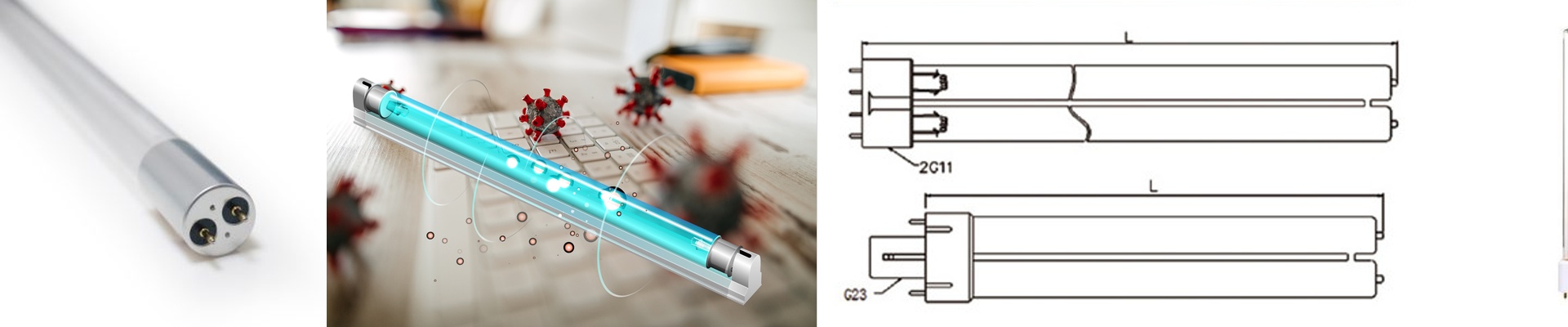
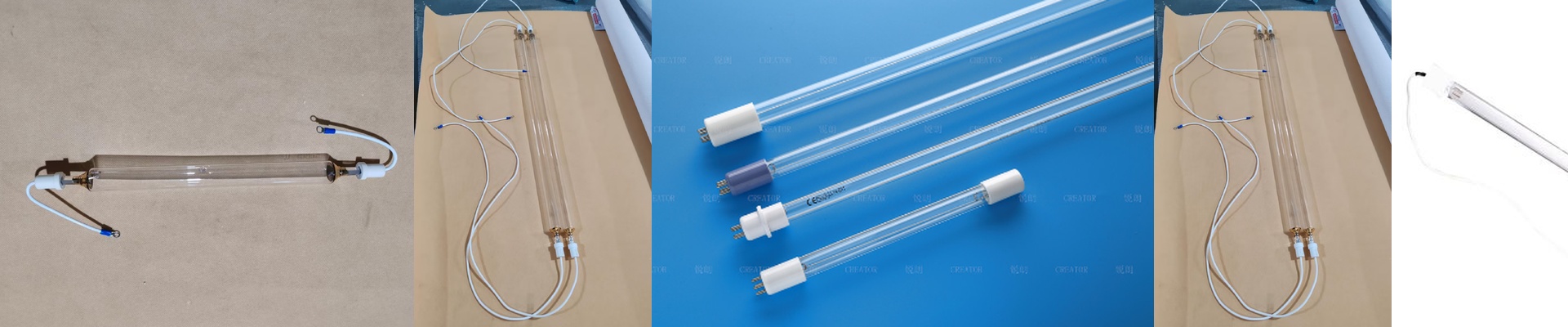
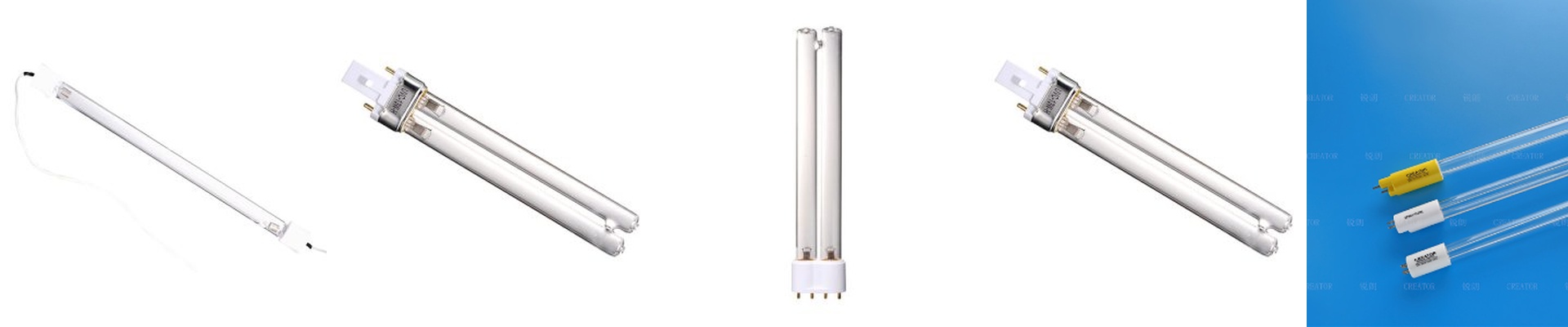
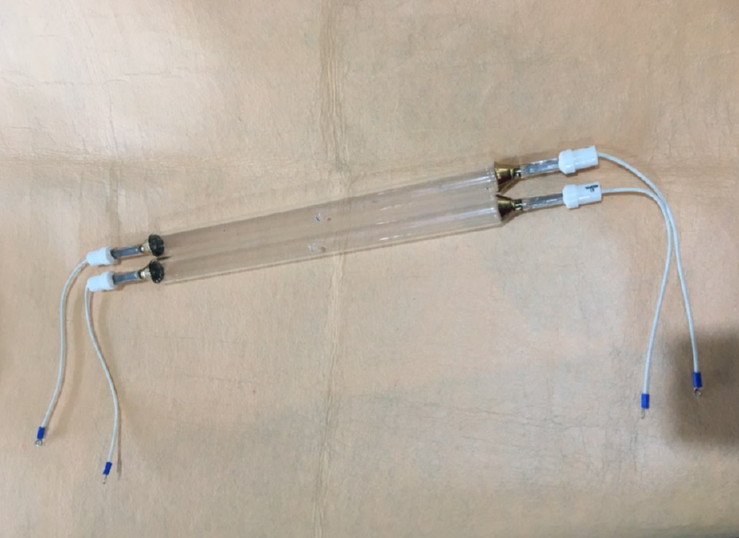
On the press floor, an ozone leak isn’t just a smell. It forces you to run more ventilation, eats reflectors faster, and puts operators near irritants they shouldn’t be breathing. That’s why we spec ozone-free quartz in our UVC Mercury vapor lamps: it passes the 254 nm output you need for surface disinfection and curing, while cutting the 185 nm line that makes O₃. The result is steady spectral output, cleaner curing conditions, and far fewer air-quality headaches. Here’s what matters technically. Mercury UV lamps are not plug-and-play. On offset, flexo, screen, and gravure lines, you have to match arc length, end-fit, and reflector geometry to the lamp’s electrical envelope. Ozone-free quartz changes the emission profile by filtering out the short-wave vacuum UV, so the energy stays where photoinitiators actually respond—typically at 365 nm and 254 nm—without cooking off extra O₃. Keep reflectors clean and hold the power steady, and peak irradiance should stay within ±5% over the rated life. Why does this matter on your press? Ozone-free quartz keeps the work area breathable without over-sizing extraction. That means less make-ready time and less load on HVAC, while cure stays consistent across substrates. For operators, it translates to fewer stops for air checks and less exposure risk near the lamp housing. For the press, you get repeatable cross-linking, fewer rejects, and lamp replacement intervals you can plan around. A few practical notes. Ozone-free quartz is a bit less transmissive in the far UV than ozone-generating grades, so confirm your ink chemistry and dose requirements. Installation has to be right: the lamp must sit precisely in the reflector focal plane. A 2–3 mm mis-mount can drop irradiance by 10% or more. And at end-of-life, treat lamps as hazardous waste—follow local rules for mercury handling and disposal.