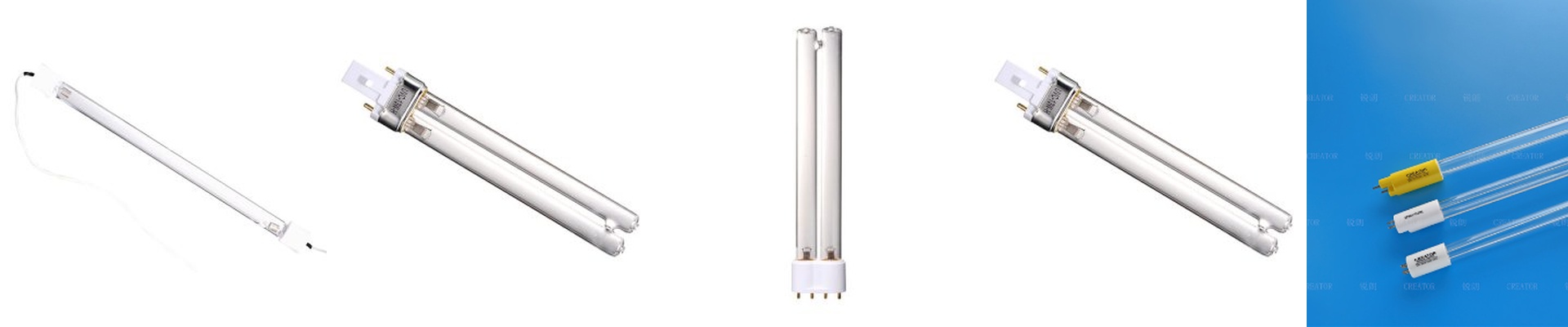
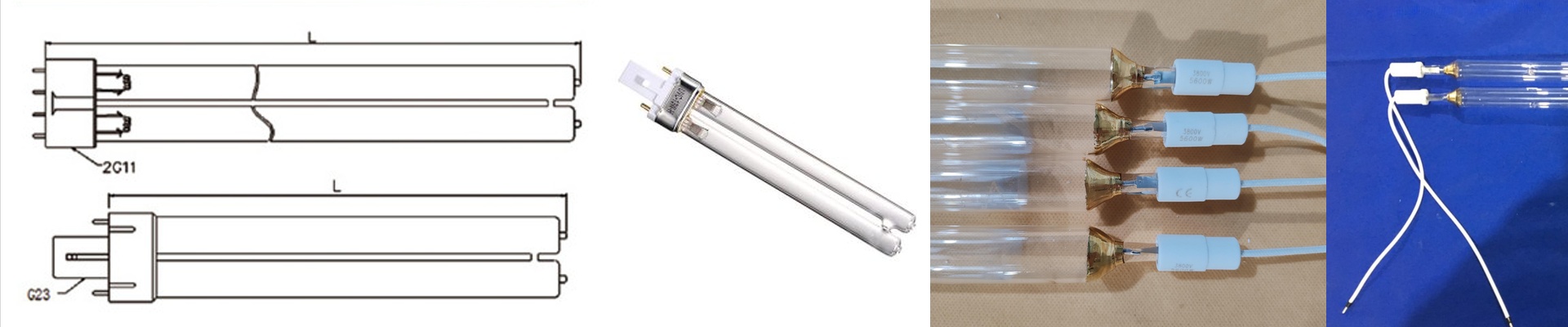
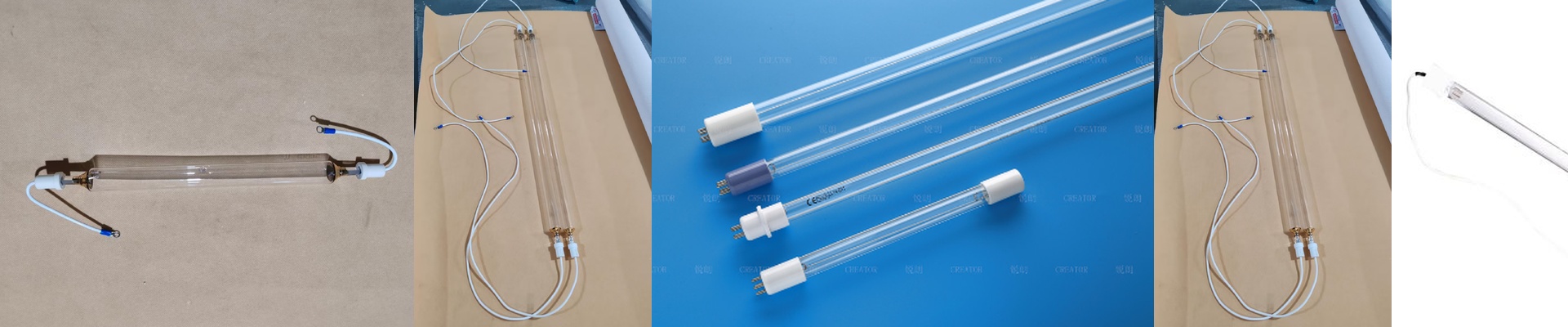
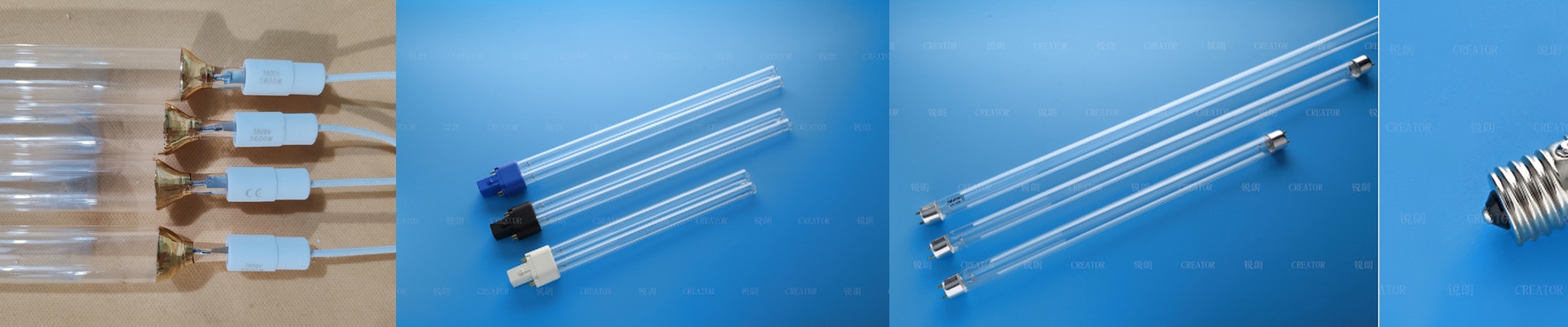
On the floor, garment printers learn this fast: the wrong UV spectrum doesn’t just waste ink—it wastes energy, time, and good runs. Short-wave UV and LED UV are not drop-in swaps. They run on different photoinitiator chemistries and give you very different curing behavior. The real question isn’t which is newer. It’s which one matches your ink and your throughput. Here’s what actually matters: wavelength matching, peak irradiance, and the energy density you deliver at the substrate. Short-wave mercury vapor lamps hit hard at 254 nm and 365 nm, giving you a fast surface cure and deep through-cure even in thick ink layers. You can easily push energy density past 1,000 mJ/cm² at the substrate. LED UV, on the other hand, is strong around 365 nm, 385 nm, or 405 nm, with stable spectral output and clean on/off control—but peak irradiance is lower than what short-wave systems deliver. Curing is a photochemical reaction. If the photoinitiator in your ink doesn’t absorb at the lamp’s output, you don’t get a clean cure. You get residual monomer, and that shows up as tack, poor wash resistance, and rejects. So why does this matter for garment printing? LED UV makes sense when your inks are formulated for 385–405 nm. You get consistent cure across thin films, with less heat, so fabric distortion drops and you can stack immediately. When you’re laying down heavy deposits or running opaque inks, short-wave UV gives you the penetration needed to drive cross-linking through the layer—better wash resistance, better durability. Match lamp spectrum to ink chemistry, and you shorten cure time, cut energy draw, and reduce scrap. A few shop-floor realities you can’t skip. LED modules need serious thermal management. If heat builds at the printhead, wavelength drifts and output degrades. Short-wave lamps age, and output falls off. Don’t assume your reflector and dichroic coatings are still doing their job—measure them. Validate with a spectral radiometer. Check peak irradiance, energy density at the substrate, and the cure window against your actual ink film thickness. Compatibility isn’t a slogan. It’s a measured fit.