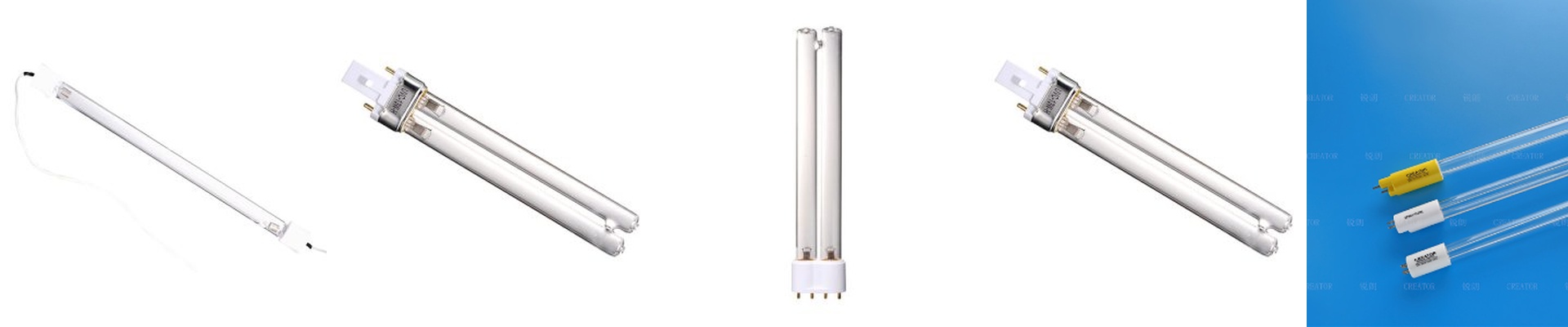
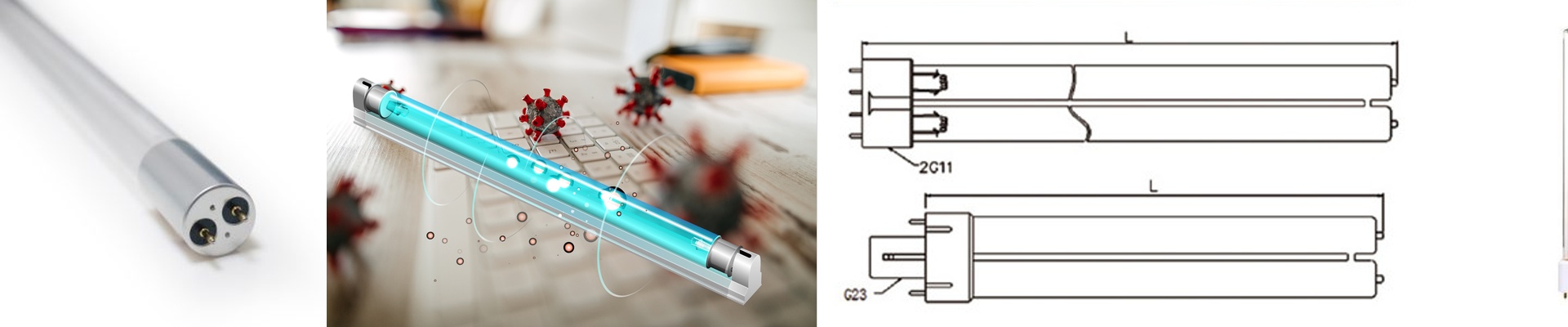
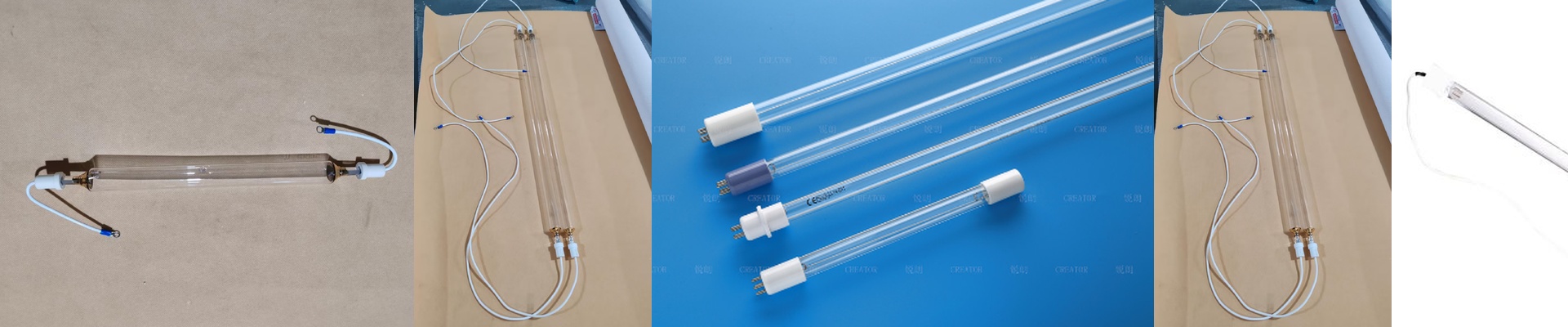
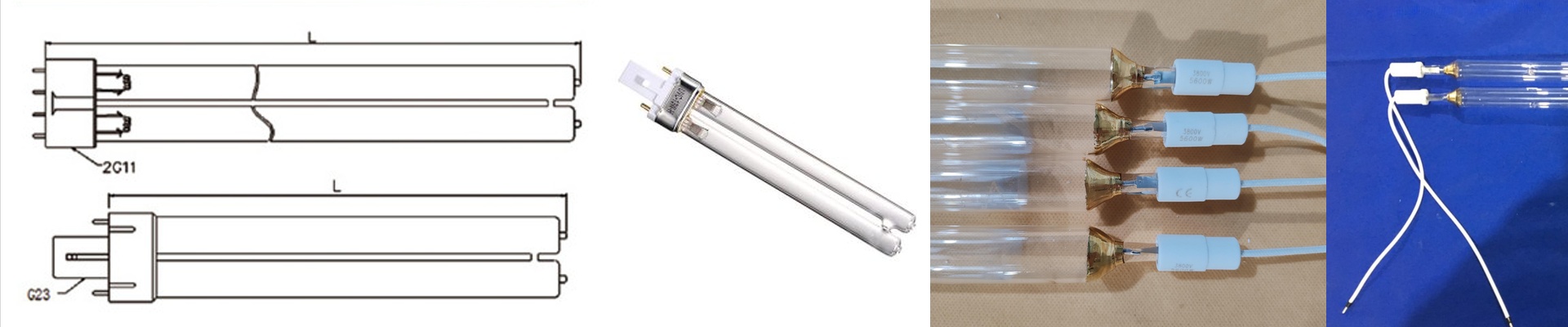
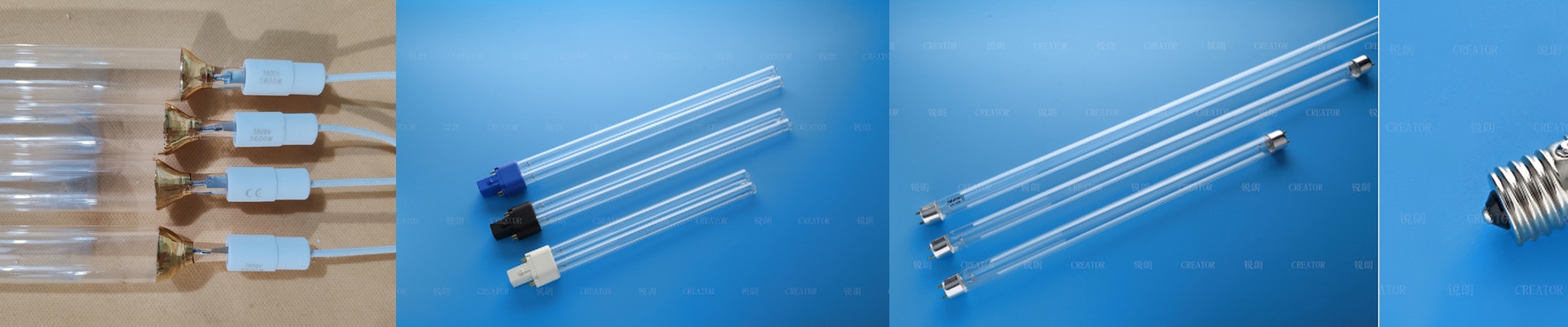
On the shop floor, everyone is chasing the same thing: cure garment inks faster without burning the substrate. The question isn’t hype—it’s physics. Do you lean on short-wave UV from a high-pressure mercury vapor lamp, or go LED? The call comes down to spectral match, energy density, and uptime. What matters under the hood Mercury vapor lamps throw down a broad spectrum, with real muscle around 365 nm and a lot of IR on top. That breadth can light up multiple photoinitiators, but it also dumps heat straight into thin fabrics. LED systems are narrowband—usually 365 nm, 385 nm, or 405 nm—so you can match the peak wavelength to the ink’s photoinitiator absorption. When you’re sizing up performance, talk in peak irradiance (mW/cm²) and dose (mJ/cm²). Mercury lamps can hit high irradiance fast, but output fades over thousands of hours, and warm-up time bites into start-up consistency. LEDs are steady from the first exposure, with low spectral drift and minimal drop over 20,000+ hours. Why this matters on apparel jobs In garment printing, you need deep cross-linking through pigmented layers without scorching cotton or synthetics. LED’s cold cure profile keeps substrate temperature down, so you can lock in thin layers at high speed on heat-sensitive media. Mercury still has the edge on thick deposits and ink systems that lean on the full UV band. When uptime is the priority, LEDs deliver repeatable output instantly—no lamp warm-up, fewer lamp changes. The practical details you can’t skip LED curing is all about tight optics. Reflectors, dichroic coatings, and thermal control have to be matched to the emitter. Integration is tighter, too: driver compatibility, cooling, and footprint constraints are real-world issues you’ll deal with on the machine. Mercury systems need ozone management and consistent arc stability. Pick the source by ink formulation, layer thickness, and line speed—not by what’s trending.