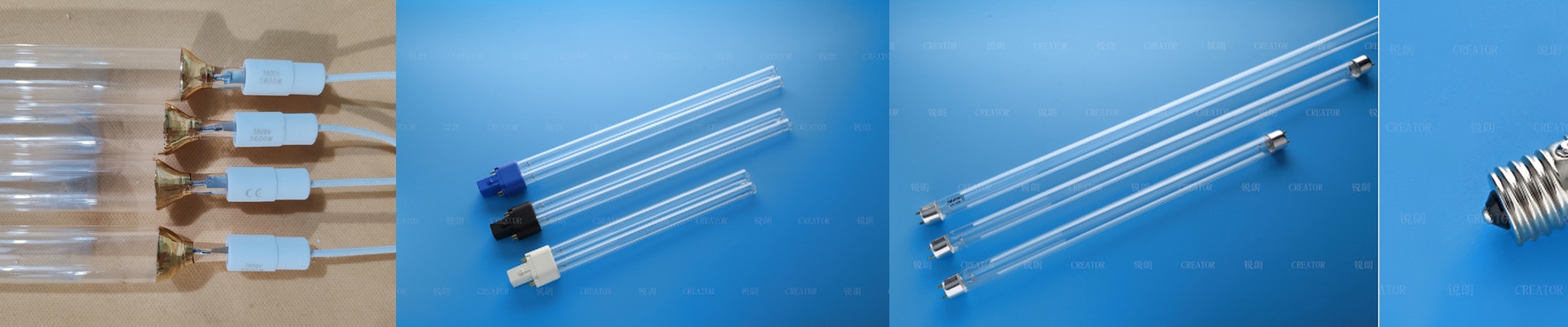
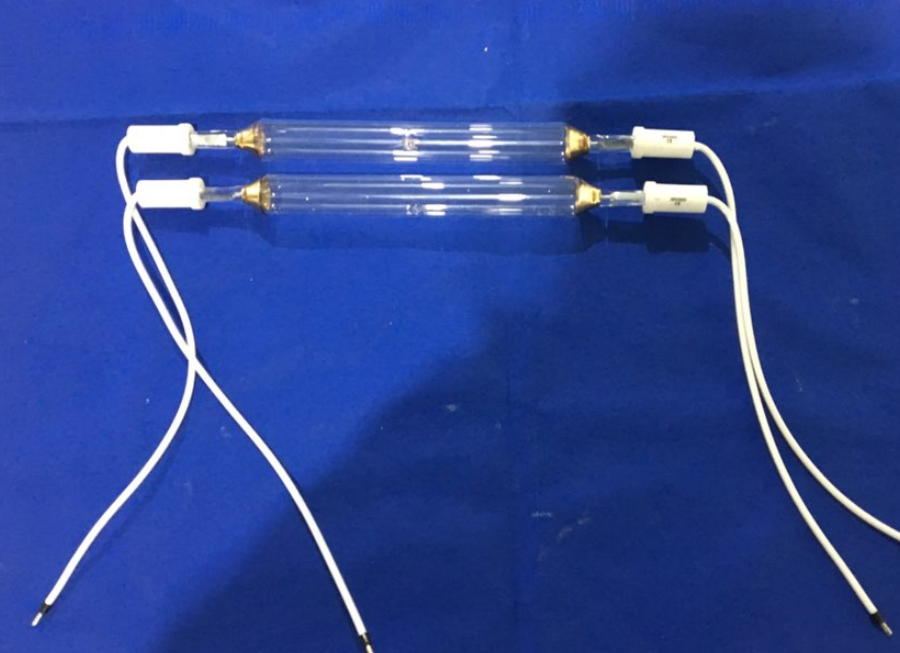
Walking the floor at the 2026 printing show, nobody was asking if UV would take over. The real conversation was about which UV systems could hold their temper day after day, shift after shift. That’s where our custom UV lamp modules grabbed attention—because they tackle the actual bottleneck: steady output over long runs, not hype.
What matters under the hood
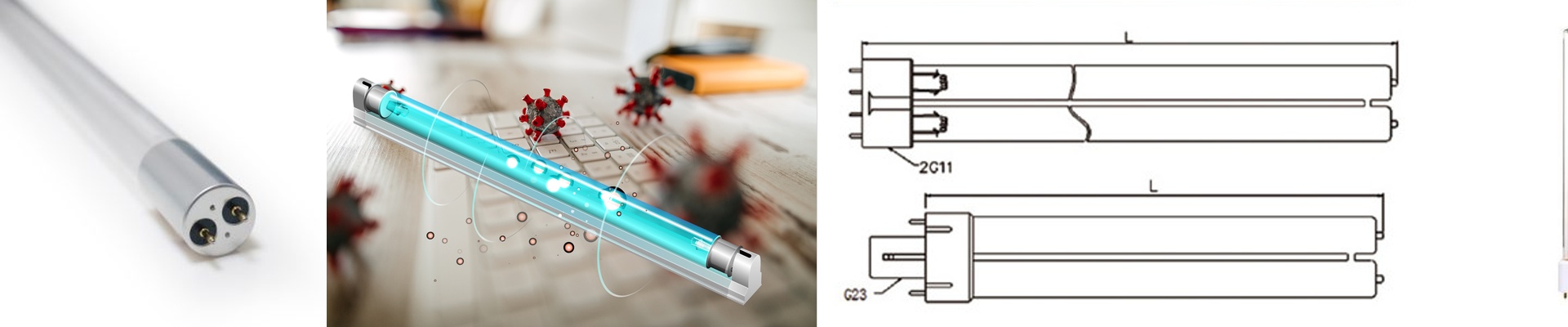
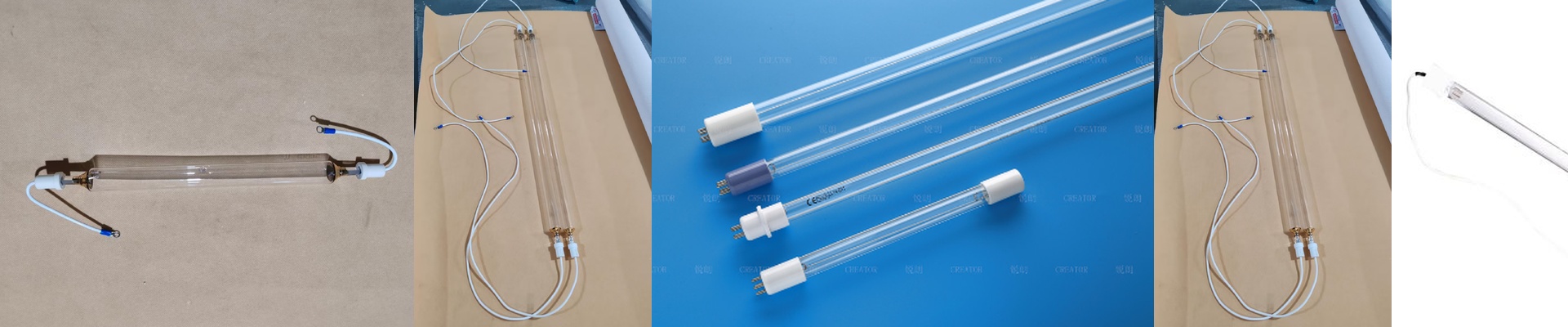
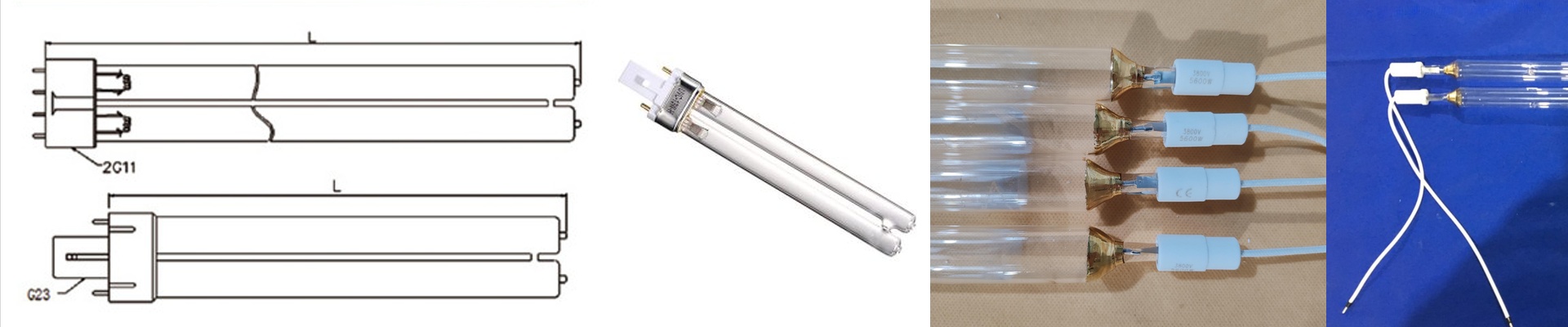
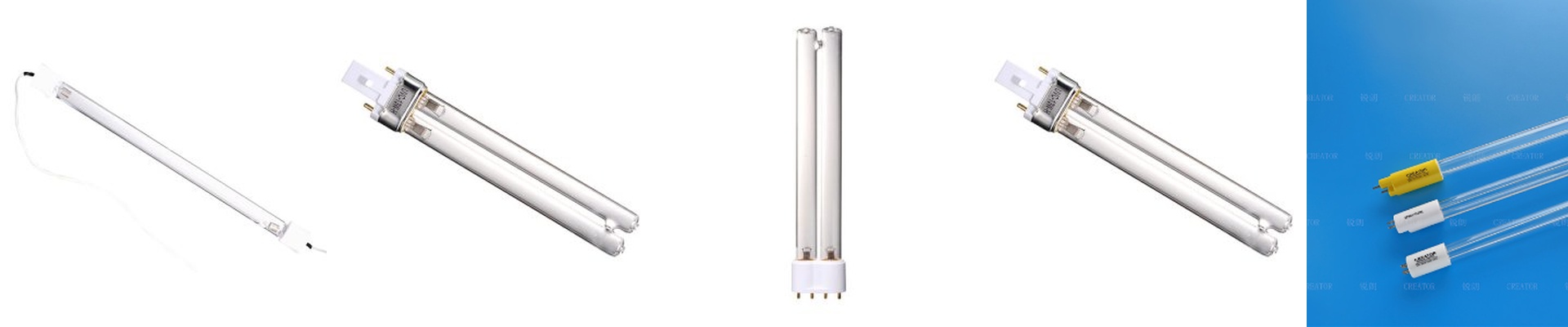
We build the UV water sterilizer lamp as a high-pressure mercury vapor system, tuned to a stable 254nm germicidal spectral output. Peak irradiance is what gives you fast, dependable microbial inactivation, and we design for it. Arc length and reflector geometry are set to deliver collimated light into water chambers—no wasted photons. Lamp life is targeted at 8,000–10,000 hours. To keep output stable, we control electrode temperature and head off the early-life drop that causes dose drift. Quartz sleeves are integrated, and the system runs ozone-free, so dose stays predictable when the environment is wet.
What it showed on the floor
In live runs at the show, the module earned its keep where flashy demos fall apart: uptime. With intensity that stays put, you can hold a validated dose window without trimming exposure time. Throughput stays up, and microbial kill rates stay inside spec. Energy use comes in lower than broad-spectrum approaches because the energy is concentrated where it needs to be. Fewer lamp swaps mean less spare inventory and less maintenance labor, which keeps total cost of ownership down—even against cheaper units that lose output faster.
The shop-floor details
Mounting and cooling have to match the chamber. Get the quartz sleeve aligned, make sure flow isn’t creating shadows, and keep inlet water temperature inside the specified range to avoid thermal stress and premature failure. The module needs compatible ballasts and connectors. If the driver doesn’t match, you can distort the spectral profile and cut service life short. Plan on periodic radiometer checks.UV dose is only as good as the measurement that backs it up.