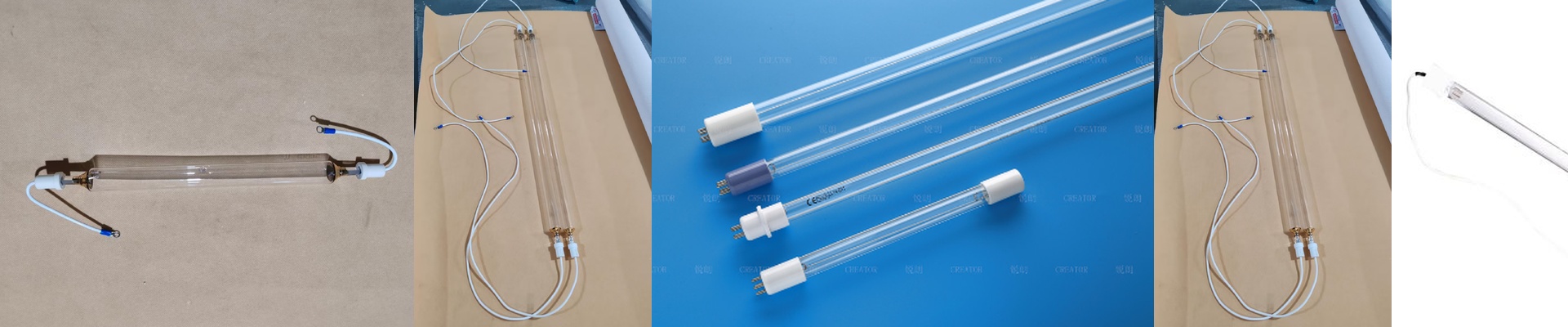
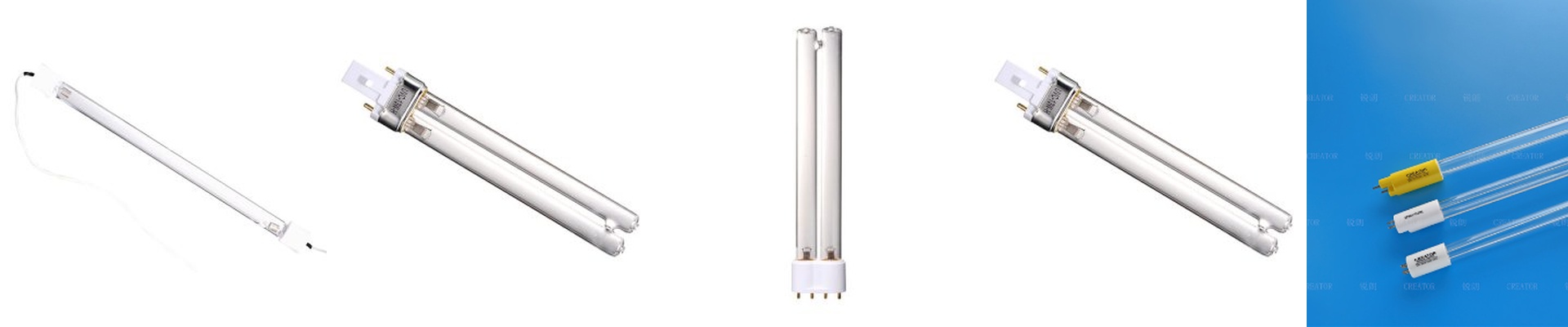
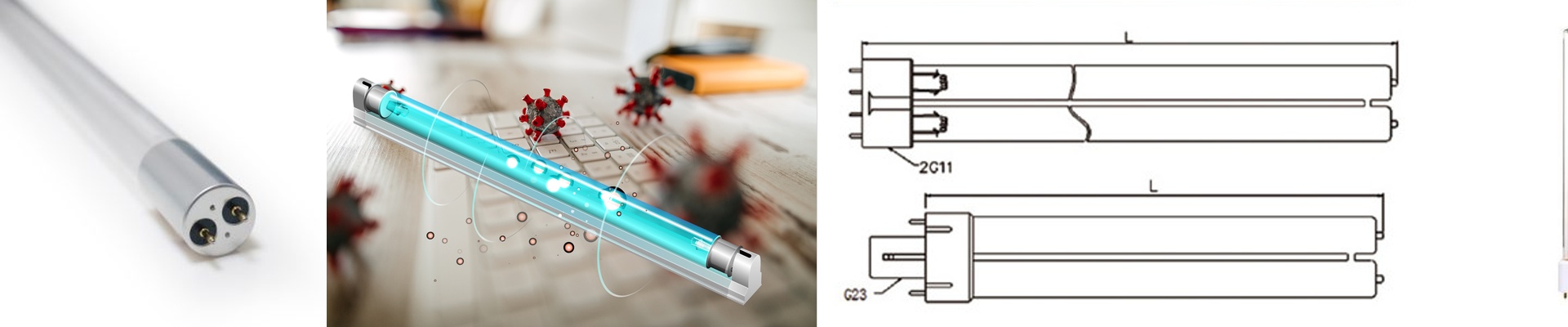
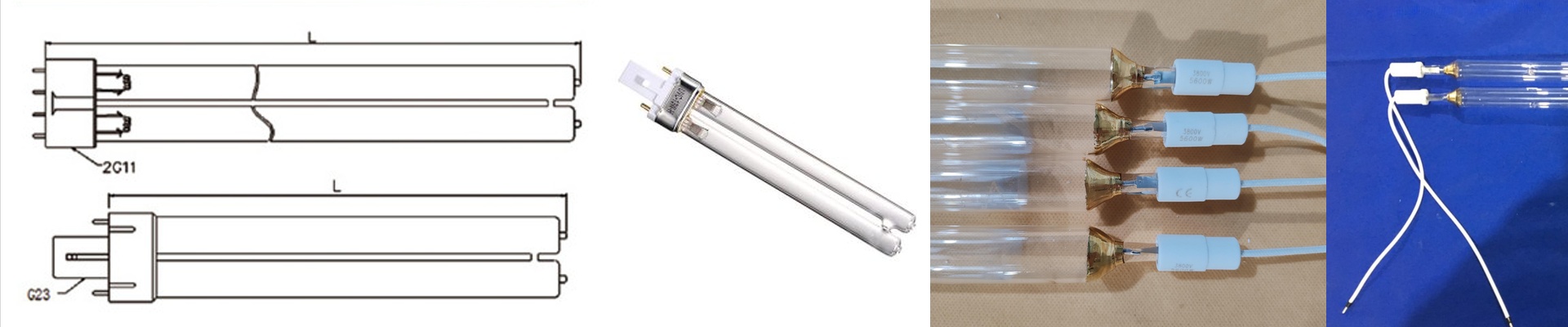
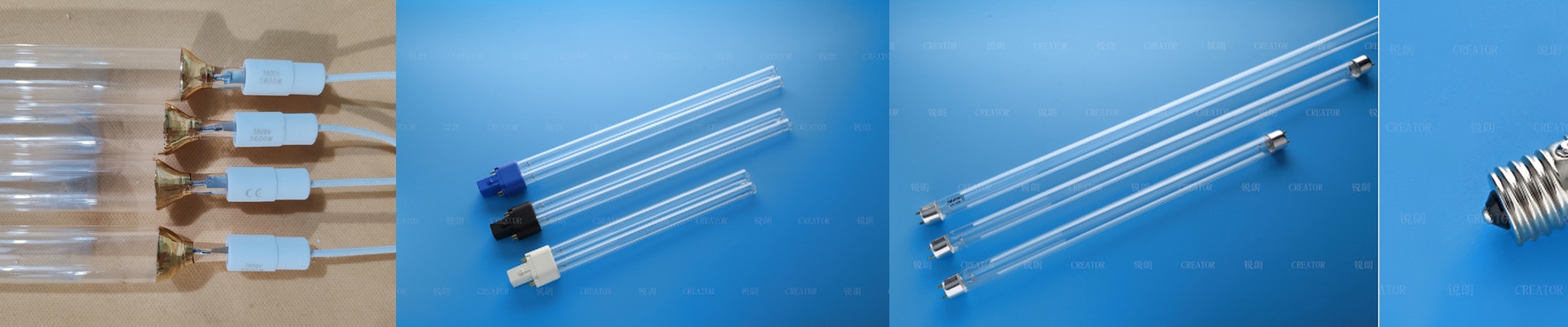
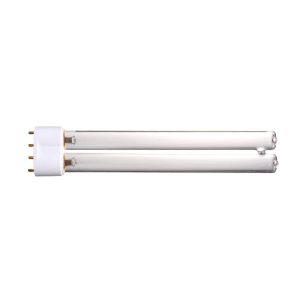
On a modern industrial floor, throughput and yield come down to joules per square centimeter, not slogans. A mismatched power supply flattens spectral output, leaves ink uncured, and forces you to back off line speed just to protect quality. We built the UV lamp transformer 380V to put repeatable, process-controlled energy into high-pressure mercury vapor lamps—so your curing window stays wide enough to run fast, but tight enough to stay in control. What actually matters, technically This 380V transformer is built to keep the arc stable under dynamic load, holding lamp voltage and current steady so peak irradiance doesn’t wander. It supports the full UVA band—365nm, 385nm, and 405nm—without spectral drift that can starve photoinitiators. You get repeatable energy density at the substrate, typically 600–1200 mJ/cm², with tight regulation to prevent under-cure and over-cure. Keep ripple low, preserve lamp electrode life, and it plays clean with ozone-free quartz envelopes and dichroic-coated reflectors for efficient photon delivery. Why it holds up in real production On UV offset, flexo, and screen lines, uptime is the sum of small margins. With this transformer, you can hold higher line speeds without chasing hot spots, pinholes, or adhesion failures. Energy consistency improves cross-linking uniformity across the sheet, so scrap and rework drop. It also trims energy waste by delivering the right electrical envelope to the lamp—fewer kWh per thousand impressions. The details you can’t skip Match the transformer to your lamp’s rated wattage and ignition method. A mismatch shortens lamp life and distorts spectral output. Make sure the 380V supply is balanced, with proper grounding and EMI suppression; electrical noise can couple into the arc and make output unstable. Temperature matters, too—keep the unit ventilated. Thermal soak degrades regulation and ages components faster.