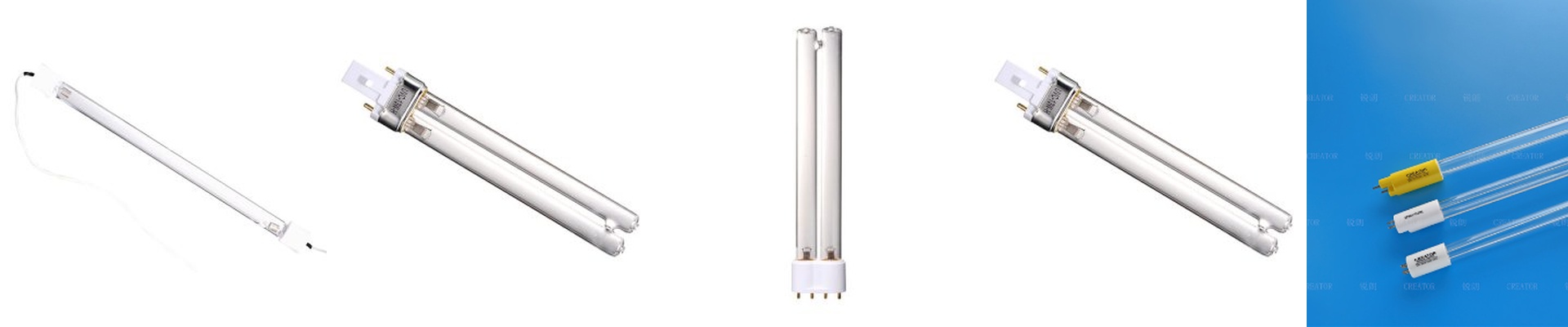
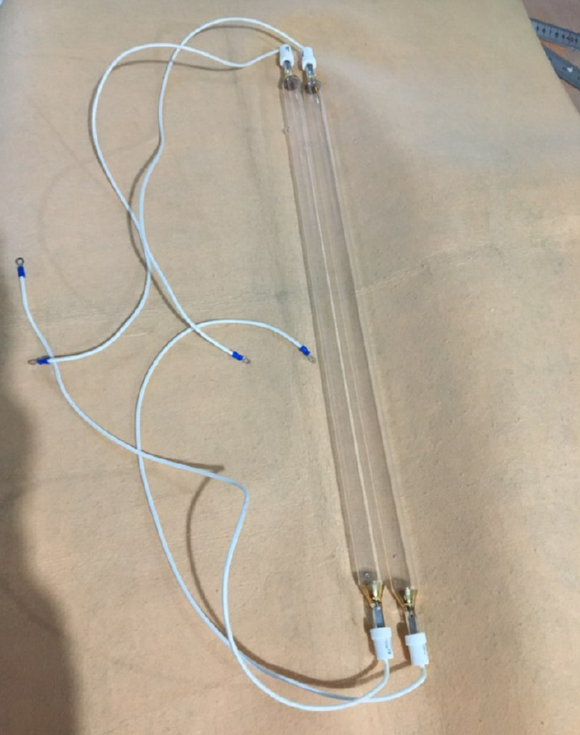
At 200 meters per minute on a roll-fed press, the UV lamp isn’t just a light source—it’s the tail end of the process. If spectral output drifts or peak irradiance collapses mid-run, that ink layer never fully cross-links. You end up with tailing, adhesion loss, and solvent carryover that forces you to back off the speed and write off good material.
What matters, technically
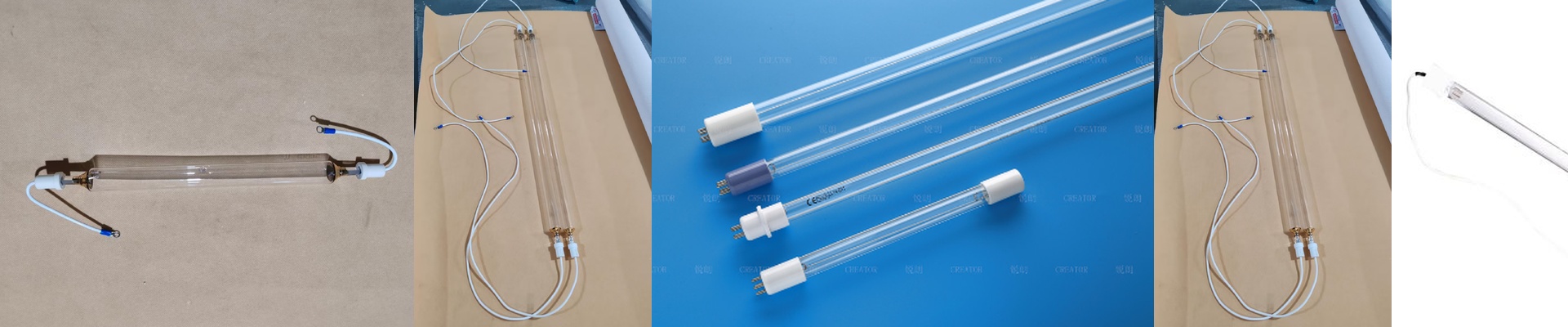
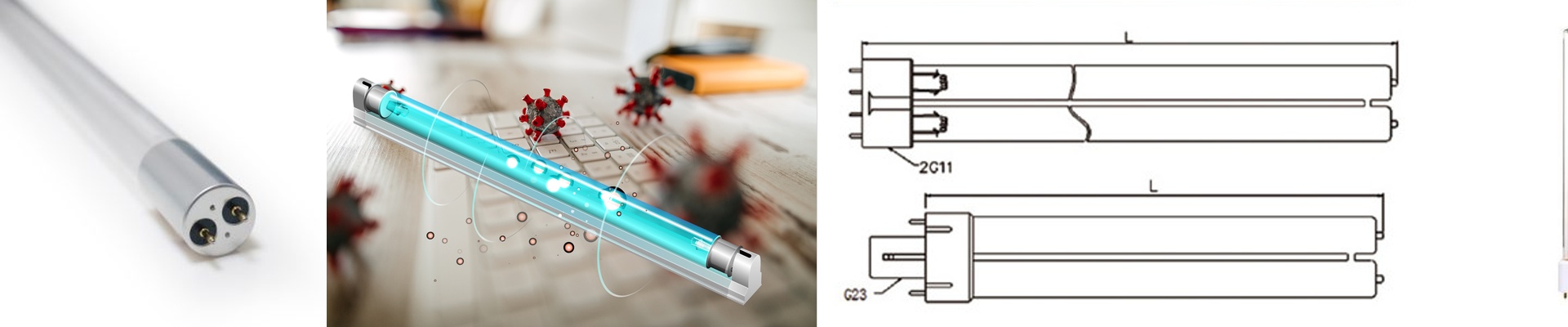
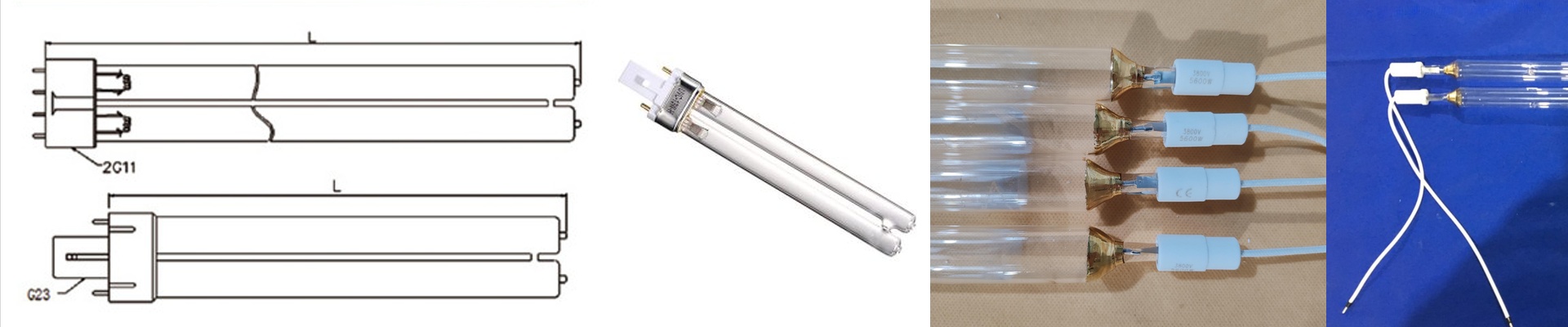
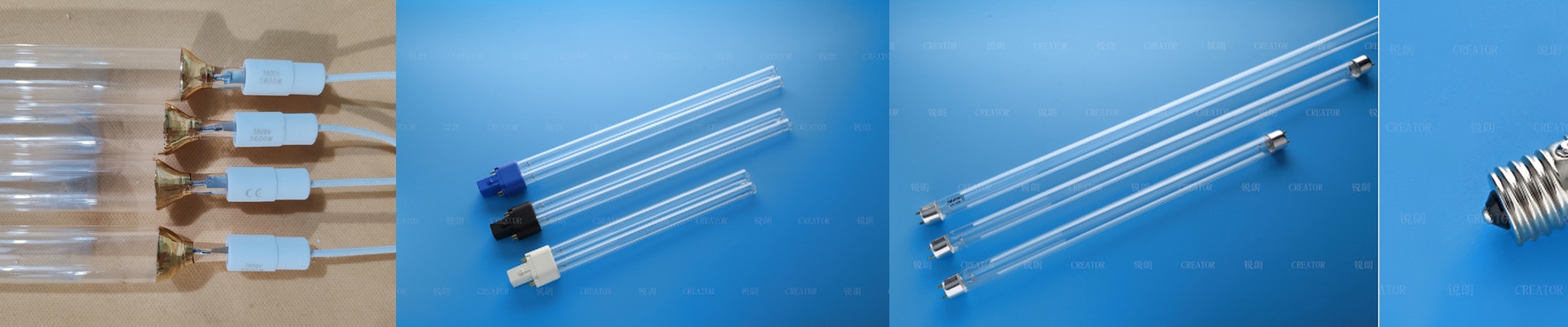
When we spec a UV resin curing lamp, we’re after stable mercury-vapor output and repeatable arc control. Hit the dominant 365 nm line hard for deep through-cure on thick films, but keep enough broadband output to wake up the photoinitiators across the whole formulation. The reflector uses a dichroic coating to bounce UV and pass IR, so you’re not cooking the substrate. Keep the curing energy density consistent by holding peak irradiance above 800 mW/cm² at the focal plane, measured with a calibrated spectral radiometer. And the power supply has to regulate lamp current so output stays steady, even when line voltage wanders or the press load changes.
Why this setup earns its keep
High-speed web printing won’t wait around for the curing to catch up. At 200 m/min, dwell under the lamp is short, but stable output keeps the delivered dose inside the ink’s design window. That’s how you hold color density and dot integrity, cut down off-line rework, and keep the press running at rated speed. Power draw stays in line when lamp wattage matches the dose you actually need—no oversizing that just dumps extra heat and pushes operating cost up.
The details that bite you if you ignore them
Get the lamp focal plane aligned to the substrate path during install. If it’s off, irradiance drops and cure across the web goes uneven. And lamp output will fade over time. Replace on measured spectral output, not some calendar schedule. For sensitive substrates, check the IR management approach and verify operating temperature with a thermocouple scan.