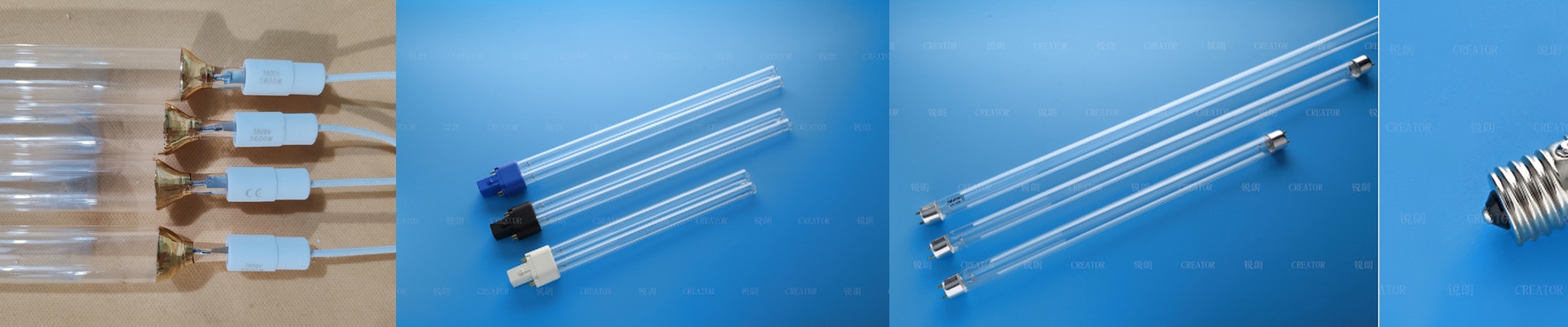
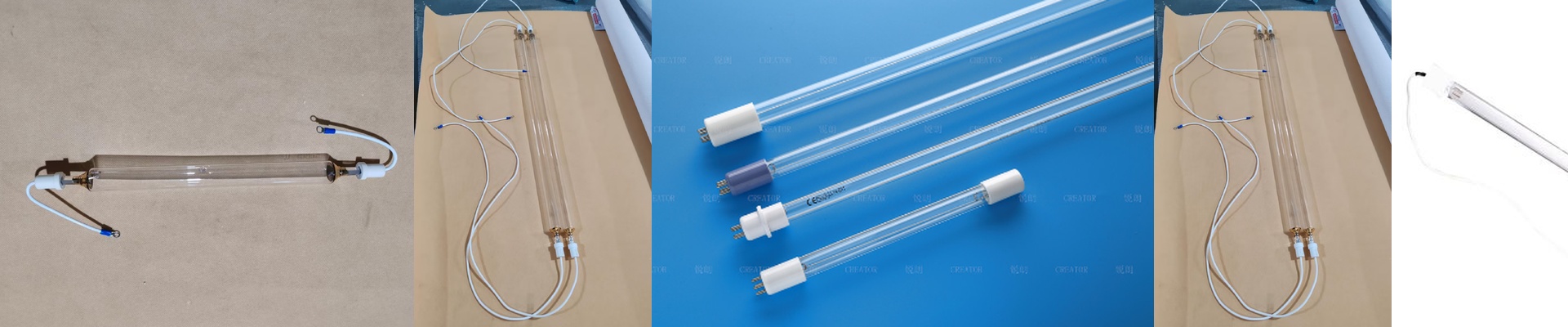
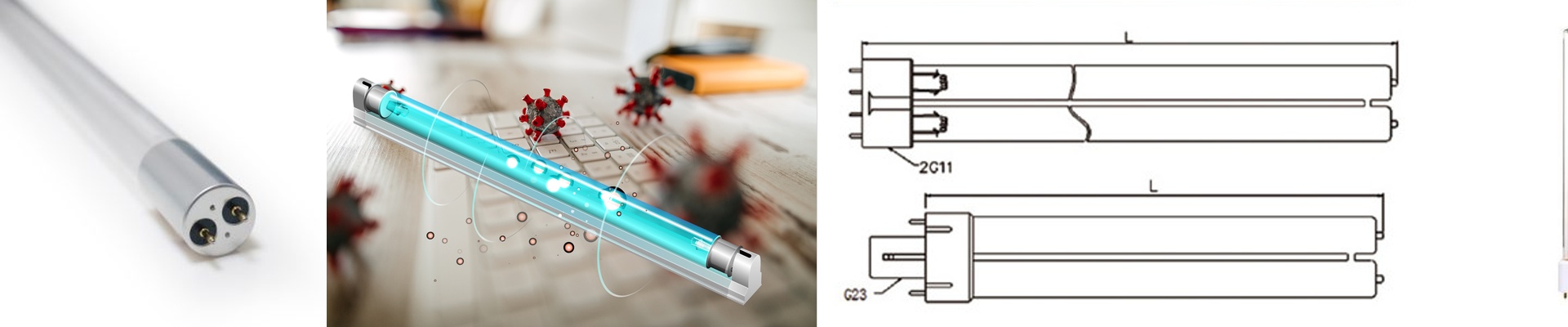
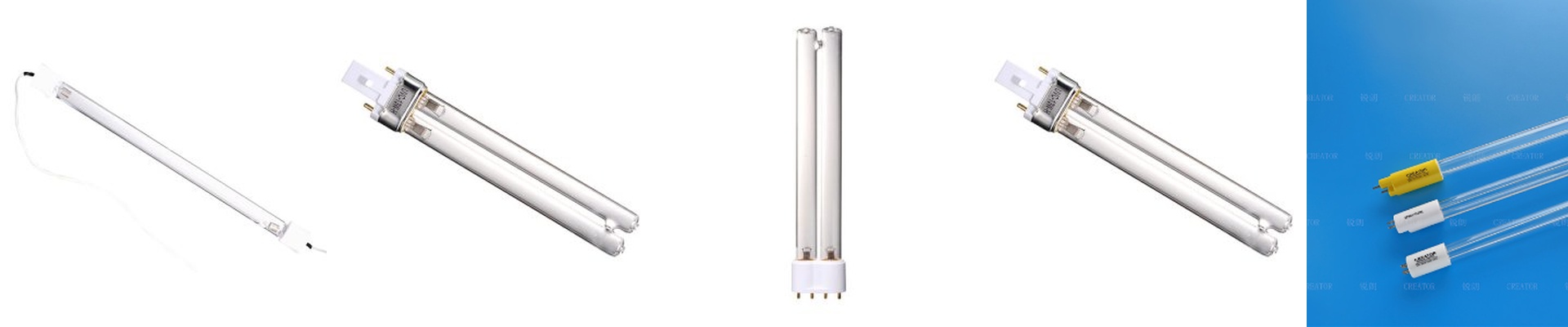
On the press line, the UV system isn’t just another box—it’s the gatekeeper. When lamp output starts to drift, you feel it immediately: tailing in high-speed offset, incomplete cross-linking on heavy screen deposits, and adhesion issues on flexible packaging that only show up later in the process. The power supply and ballast set the lamp current, shape the arc, and lock down the spectral output that opens the photoinitiator window. What matters, technically We match the ballast to the lamp—mercury vapor, metal halide, or LED-compatible—then nail the operating point that holds irradiance steady across the substrate pass. With mercury lamps, the driver holds current tight so the 365 nm line stays stable, and the ignitor delivers a controlled high-voltage pulse without chewing up the electrodes. We measure output at the reflector face: peak irradiance in mW/cm² and delivered energy density in mJ/cm². No hand-wavy percentages. The ballast also handles warm-up behavior, keeps line harmonics in check, and holds ripple low so the arc doesn’t modulate at line frequency. Why it holds up in a real plant In a 24/7 shop, the ballast keeps the cure stable when you push speed. You keep surface cure and through-cure depth consistent, even as lamp output decays over its life, because the power delivery compensates within the lamp’s safe operating envelope. That means fewer rejects from tackiness, less solvent carryover, and ink film adhesion you can count on. Energy use drops because the ballast avoids overdriving and cuts reactive power, and lamp life stretches by preventing current overshoot on restarts. Here’s what to watch for Match ballast voltage and connectors to the lamp and reflector assembly, and confirm the spectral profile your ink chemistry needs—365 nm, 385 nm, or 405 nm. Expect a warm-up window before irradiance settles; plan your line speed ramp accordingly. Also verify the power supply matches the available electrical service and enclosure rating. Tight spaces and high ambient temperatures can push internal component temps and bite you later.