Modular UV Curing Lamp: The Specs, the Design, and Why It Works for Real Print Shops
We built this modular UV curing lamp system with one simple mission: give small and medium-sized printers solid, modern UV curing that doesn’t cost a fortune. It’s modular by design, so you can add more lamp modules when you need more output—no overhaul, no stress. And it’s made to slip into tight spaces without tearing apart your whole plant.
Power, voltage, and size—kept practical
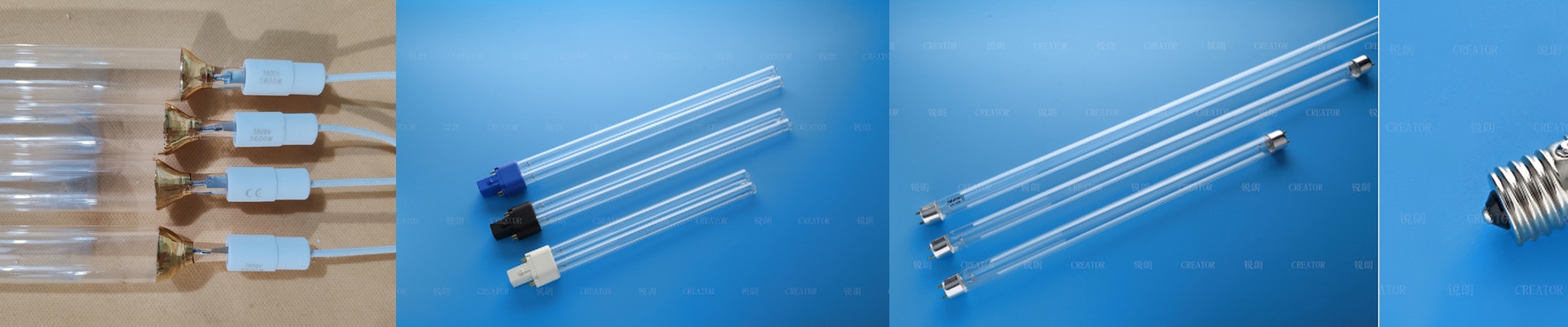
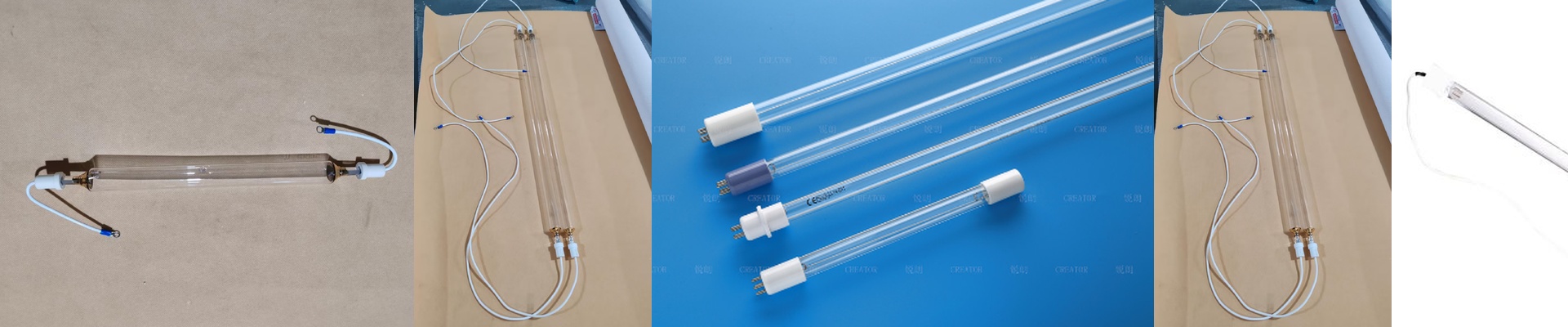
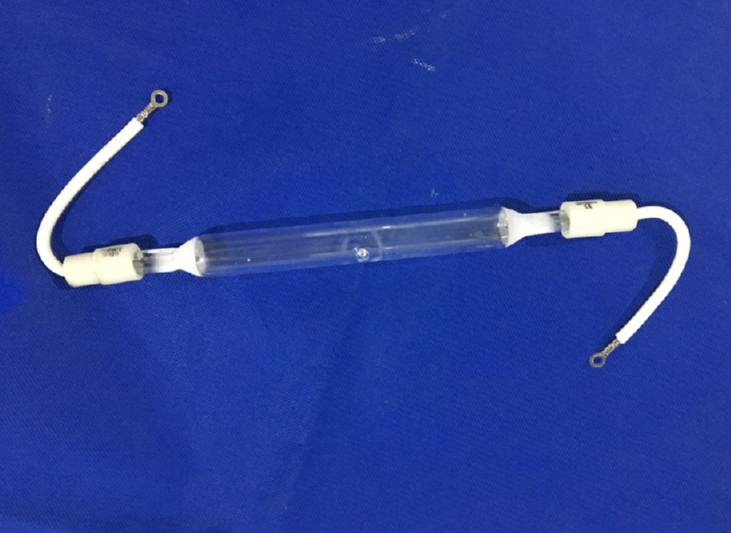
The system runs on 400V, and that choice matters. It keeps the current lower than a 230V setup would for the same power, which helps reduce voltage drop on longer wiring runs. That means the ballast stays stable even when you’re wiring multiple modules. The lamp tube is 300mm long—just the right length for small-format presses and narrow web lines. Rated at 2500W, it packs serious irradiance into a small footprint. That power density gives you fast curing, but it also means heat is part of the equation. So give the lamp and reflector room to breathe. Plan for solid cooling airflow, and you’ll keep everything running in the right temperature range.
The materials and design choices that save you headaches
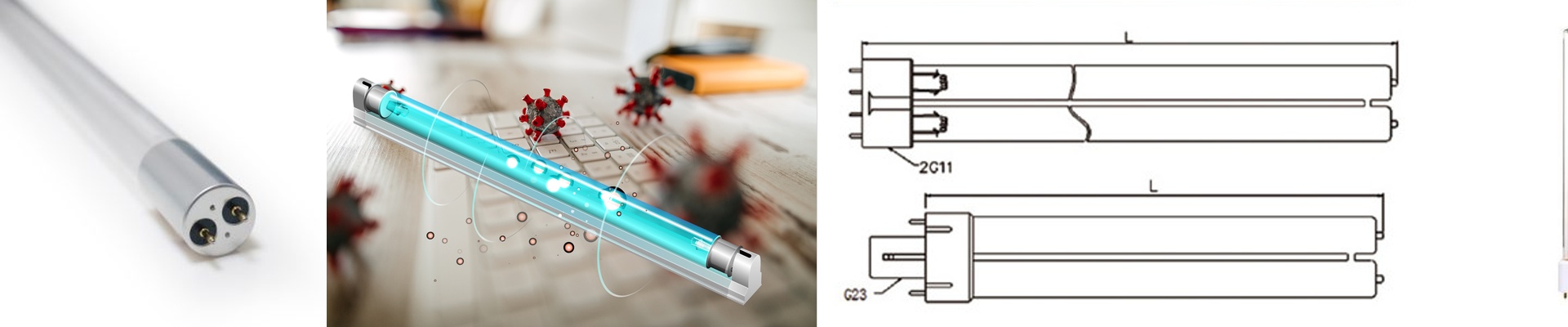
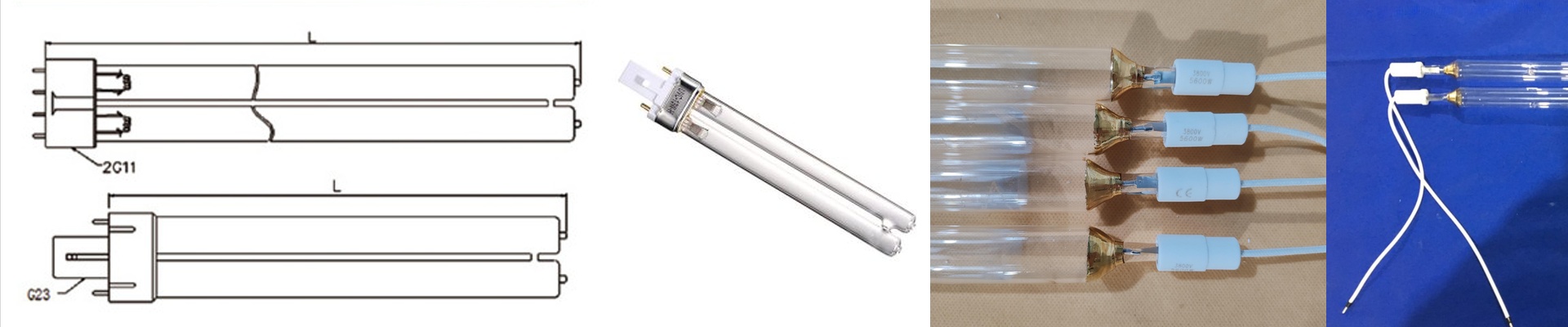
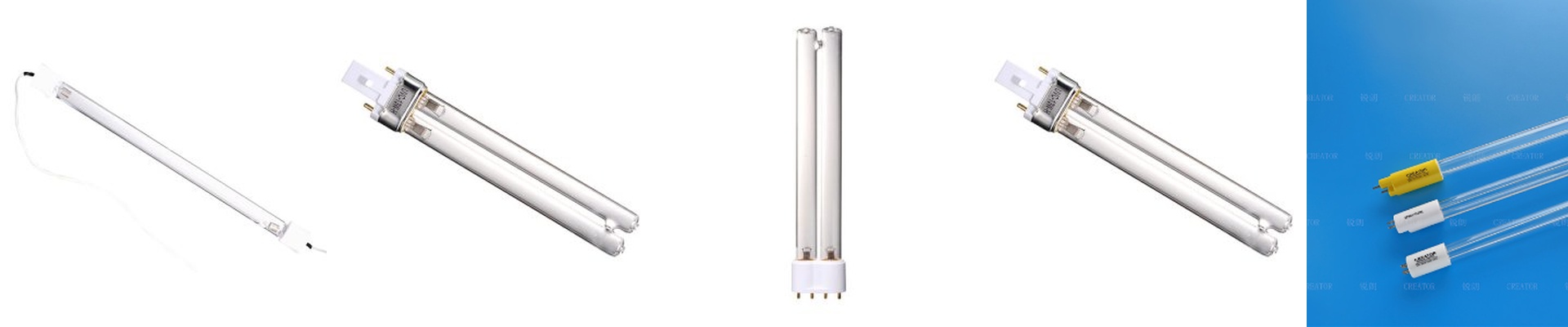
The tube is quartz, and that’s not accidental. Quartz gives you strong UV transmission and handles heat well. The surface has a specialized coating that helps keep UV output steady and slows down the natural decline over time. Then there’s the R7s connector—an industrial standard for a reason. It locks the tube in place with a firm, mechanical fit, handles repeated heating and cooling cycles, and makes replacement quick and clean. Swap a tube, and you’re back in business. The modular housing keeps alignment consistent, too. So you don’t have to re-focus the beam every time you change a lamp.
Built for printing—without the over-engineering
If your shop is tight on space and you can’t afford downtime, this configuration is meant for you. The modular layout lets you match the number of lamps to your substrate speed, so you’re not paying for capacity you don’t need. Installation is straightforward: mount the module, wire it to the 400V line, and set the dwell distance. It runs cooler than older, halogen-heavy setups, but it still needs proper heat management. Keep the cooling where it should be, and you’ll get repeatable cure, consistent adhesion, and fewer rejects. That’s the point, after all: reliable curing that keeps your press moving.