Chasing the 0.5%
Most UV lamp suppliers are fine with a 3% to 5% variance in spectral energy. For a basic curing job, that’s plenty. But if you’re working with high-precision adhesives or those tricky thin-film coatings, that gap is where the trouble starts. You get “cold spots.” It sounds minor, but those spots mean the polymerization doesn’t finish, and your bonds fail. We spent the last six months obsessing over electrode positioning and gas mixtures just to pull that variance down to 0.5%.
The trick to getting the energy right
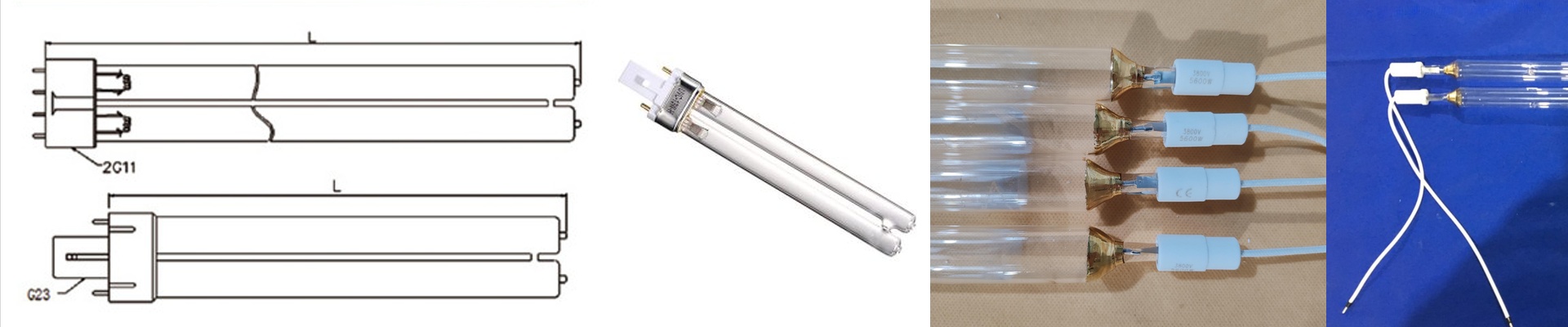
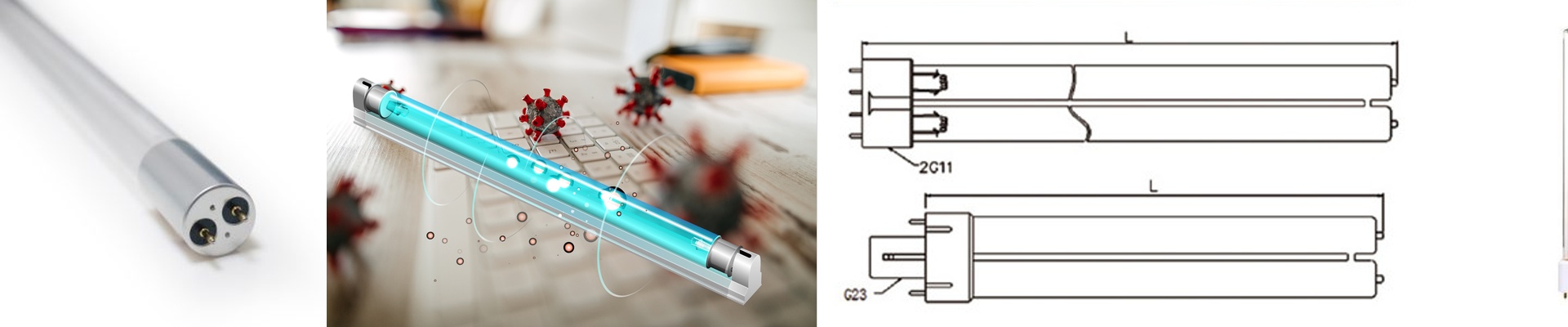
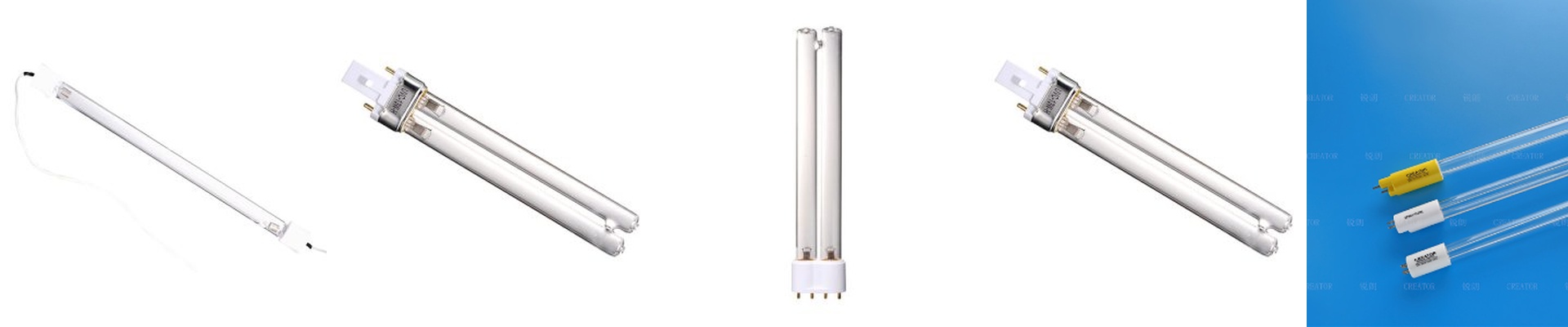
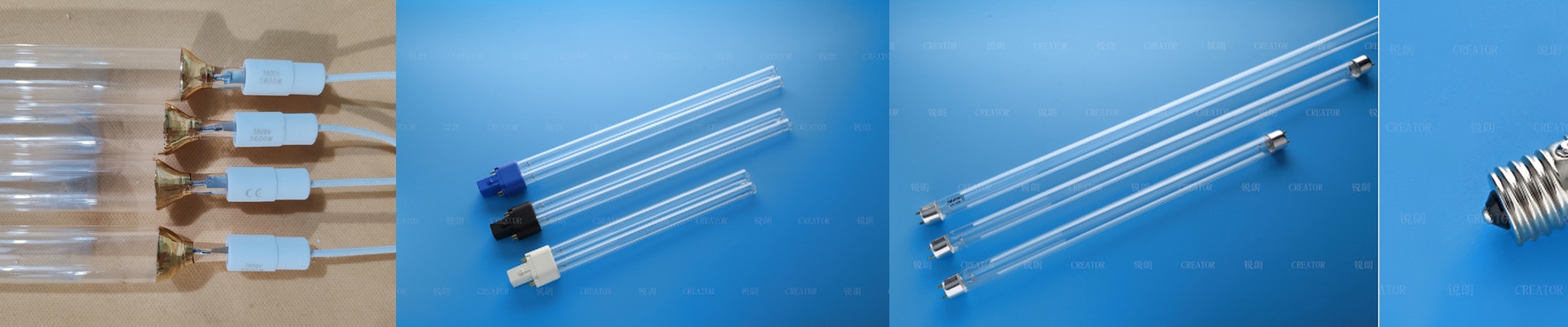
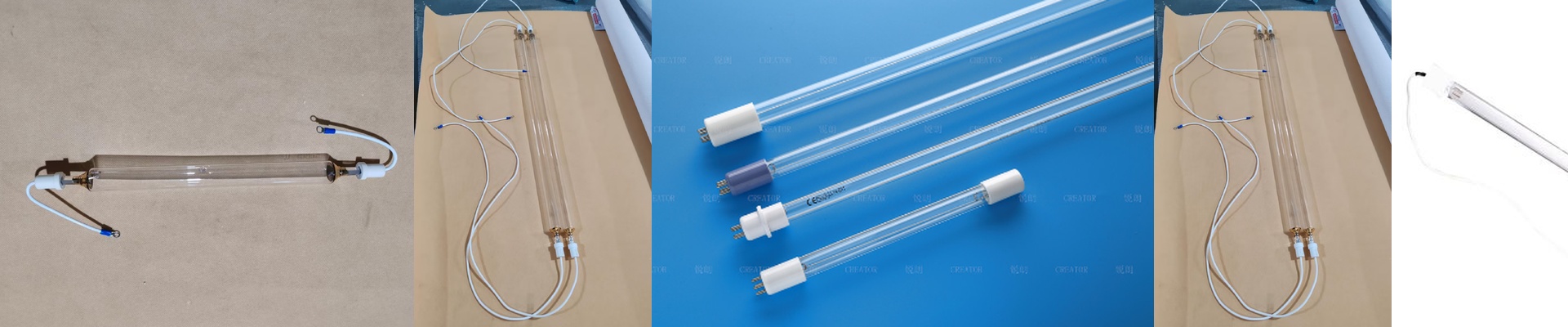
Here’s the thing: this isn’t about just cranking up the power. That’s the easy way, and it doesn’t work. It’s actually about controlling the arc. We spent a lot of time looking at the quartz envelope geometry and the purity of the deuterium-mercury fill. By tightening the tolerance on the internal diameter and cleaning up the arc discharge path, we can make sure the UV photons hit exactly where the substrate is sitting. It’s a nightmare to manufacture. A fraction of a millimeter off on an electrode and the spectral peak shifts. To stop that from happening, we started spec-ing our tungsten electrodes to a much tighter micron range. Now, the energy stays consistent from one end of the tube to the other.
The heat factor
There is a catch, though. When you concentrate spectral energy like this, you’re also increasing the heat flux per square centimeter. You get the UV energy you want, but you get a lot of infrared heat along with it. If you just swap these into a system built for low-density tubes, you’re going to have a problem. The quartz might overheat or your substrate could warp. You’ll need to make sure your cooling fans or water-jackets can actually handle the extra load. But there’s a silver lining. Because a 0.5% variance makes the cure faster and more aggressive, you might be able to shorten your tunnel length. Or maybe you can lower your overall power draw and still get the same result. It’s worth playing around with your conveyor speed and distance settings to find the sweet spot.