Dealing with Electrical Noise in Gallium Iodide UV Systems
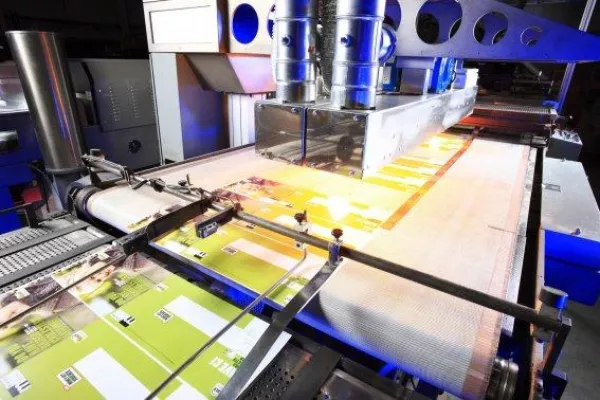
Gallium iodide lamps are the heavy lifters. We use them for those deep-cure jobs where your standard mercury lamps just give up. But here’s the catch: they’re usually shoved into high-load environments—think massive printing presses with a dozen units running side-by-side. In a shop like that, electrical noise is a nightmare.
The Headache of Electrical Noise
When you’ve got several high-power lamps pulling from the same line, you get hit with electromagnetic interference (EMI). It’s a common pain. Most lamps will flicker or just lose power the second the press motors kick in. We fixed this by rethinking how the ballast couples and adding shielding to the gallium iodide discharge. It keeps the arc steady. So, when the machine next to you hits a peak load, your output doesn’t dip. It just keeps humming along.
Keeping Things Stable
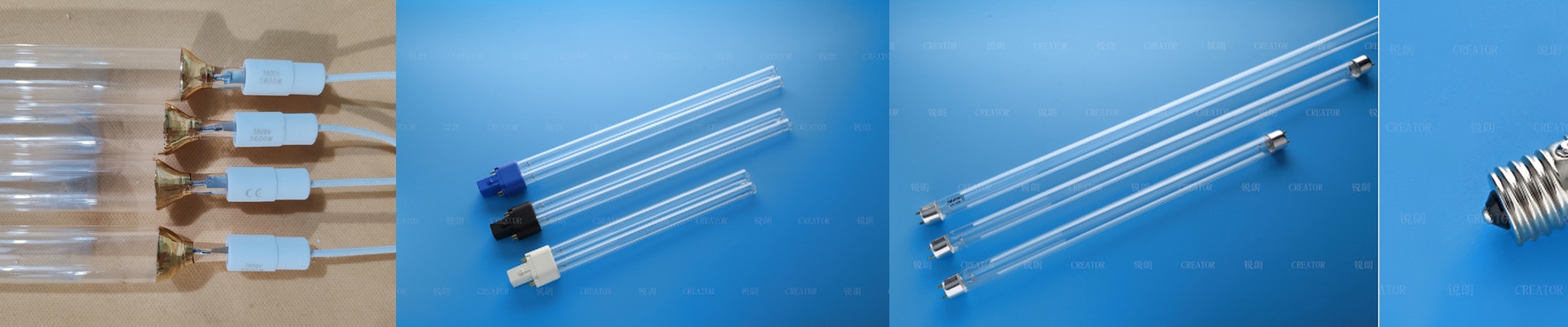
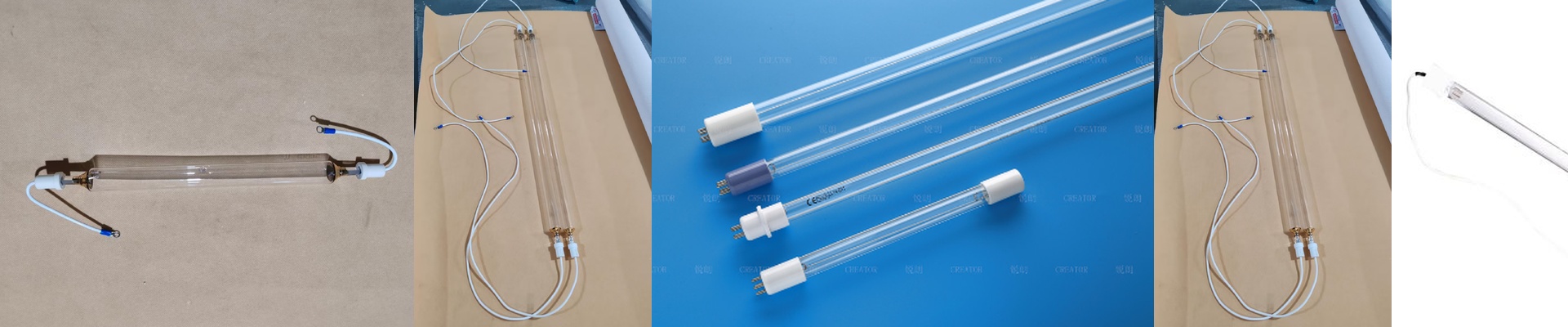
These lamps are picky about temperature. If the heat isn’t exactly right, the spectral output drifts. To stop them from burning out during those rapid power cycles, we went with heavy-wall quartz and reinforced electrodes. It’s a rugged build. Plus, the chemistry of the gallium iodide fill itself is just tougher; it handles voltage swings way better than the usual UV lamps you’ll find.
Real Talk: The Shop Floor
Look, you can’t just toss these into any old rig and hope for the best. Because these lamps run hotter to hit that specific UV wavelength, your cooling fans need to be up to the task. If your airflow is weak, the lamp overheats. Period. And when that happens, your lifespan plummets. We’ve put these through the wringer in shops with ten or more presses running at once. The result? A consistent cure across the entire web. You get a replacement that doesn’t trip your breakers or send your sensors haywire. No flickering. No ghosting. Just a steady, reliable light.