Stop Letting UV Lamp Lead Times Kill Your Momentum
When e-commerce orders spike, the last thing you need is a supply chain that snaps under pressure. For most people running UV curing systems, the nightmare is always the same: waiting weeks for custom lamps to arrive while orders pile up. We got tired of that. So, we shifted to a modular design for our most popular lamps. The goal? Making sure you can ramp up your production without staring at a calendar waiting for custom glass work to finish.
The Nitty-Gritty on Power
We build our high-demand lamps around wattage and voltage brackets that already play nice with standard industrial ballasts. It’s a simple move, but it means we don’t have to waste time re-testing the electricals for every single batch. Plus, we use high-purity quartz glass, so you’re getting the most UV light possible. But here is something you really need to watch:power density. If you cram a high-wattage lamp into a tiny space, you’ll get a lightning-fast cure, but you’ll also generate a ton of heat. If your conveyor is moving slowly, you’re going to end up over-curing your product or even damaging the material. You’ve got to make sure your cooling fans are actually moving enough air—otherwise, that quartz is going to crack under the thermal stress. Nobody wants to deal with that mid-shift.
Getting Gear in Your Hands Faster
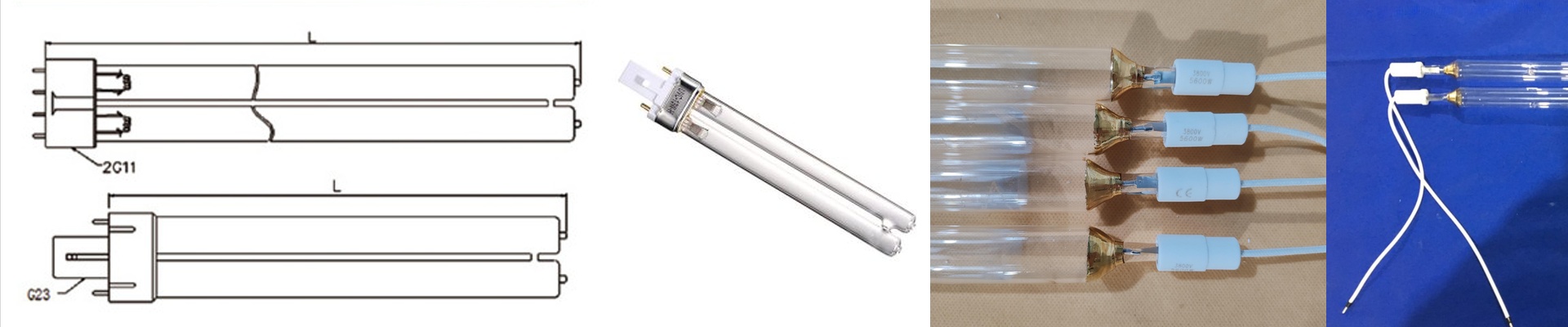
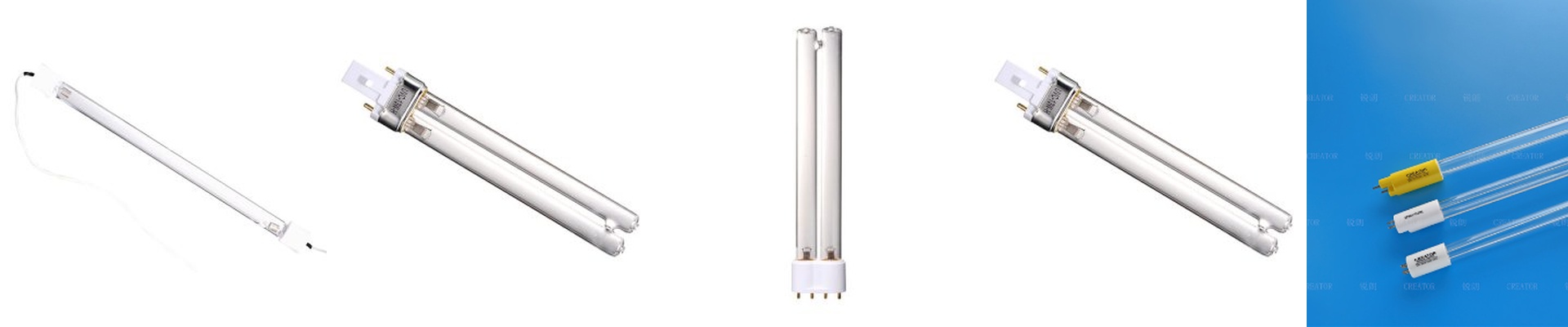
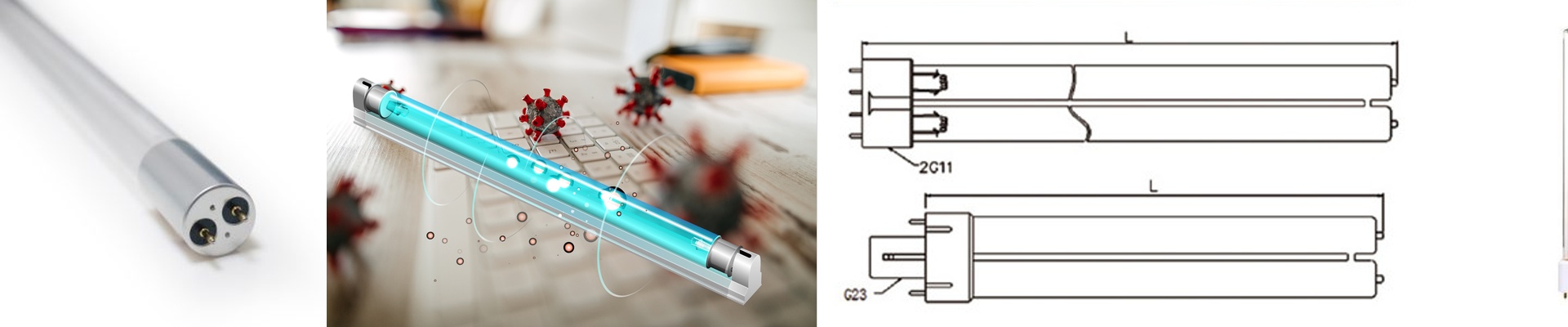
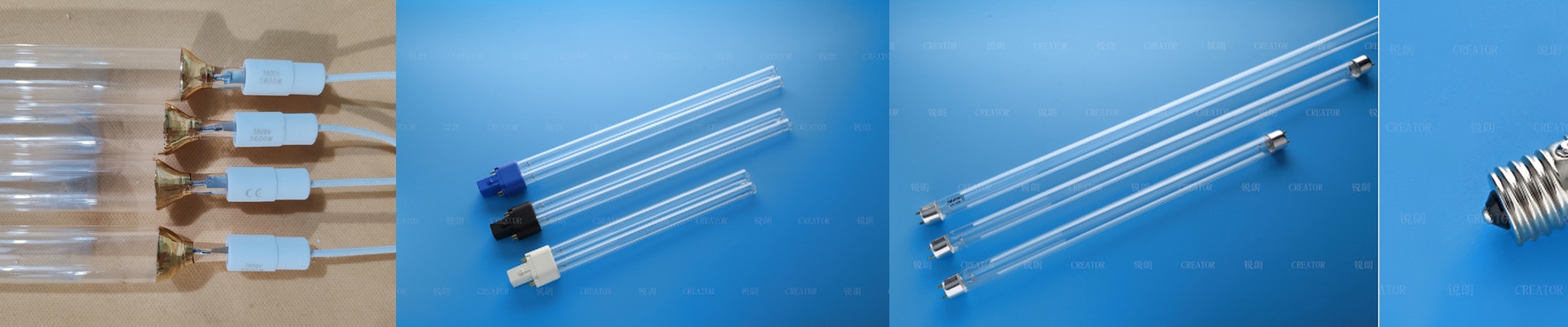
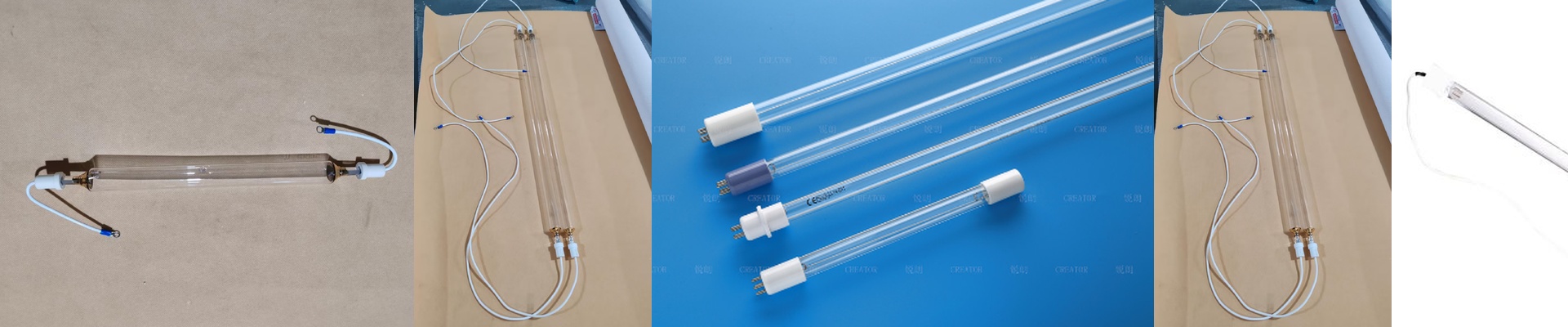
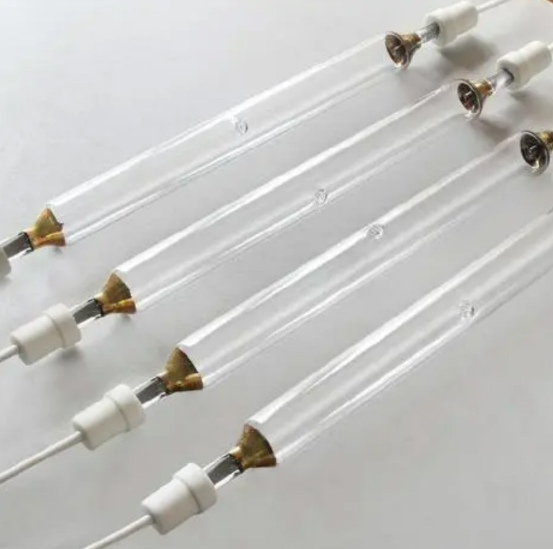
We use standardized end-cap configurations so these are basically drop-in replacements. Whether you’re looking for a specific pin layout or a weird length, we keep a healthy stash of raw quartz tubing and electrodes on the shelf. That’s the secret. It lets us cut and seal your lamps in a matter of days, not weeks. And we don’t over-think the housings. We keep the mounting brackets simple and reliable. You just wire it up and get back to work.
Customization Without the Headache
Usually, “custom” is just another word for “slow.” To fix that, we created a “semi-custom” menu. You tell us the wavelength and the length you need, and we handle the internal gas fill and electrode placement using our high-volume templates. It’s a hybrid approach. You get the exact technical performance your project requires, but the shipping stays fast. It’s the only way to actually keep a supply chain flexible when demand starts swinging.