Getting the Light Right for Your PCBs
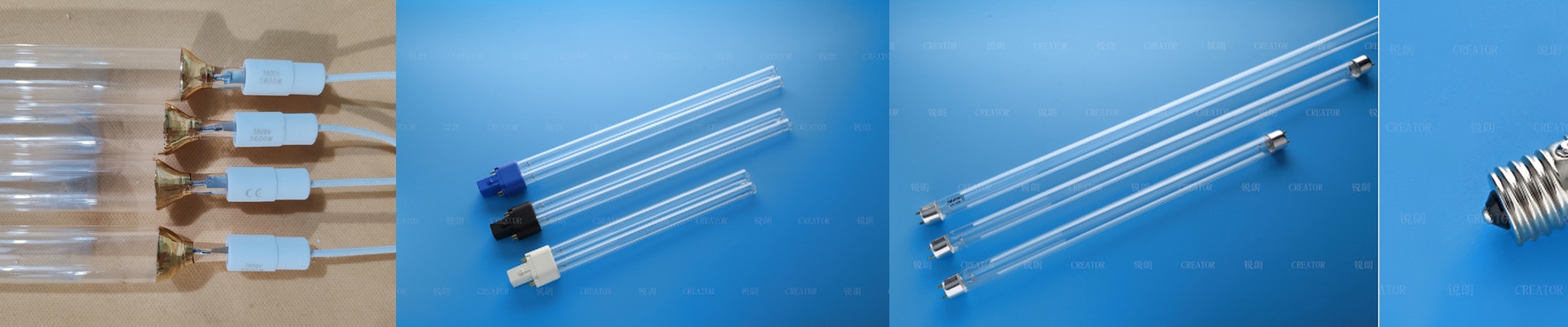
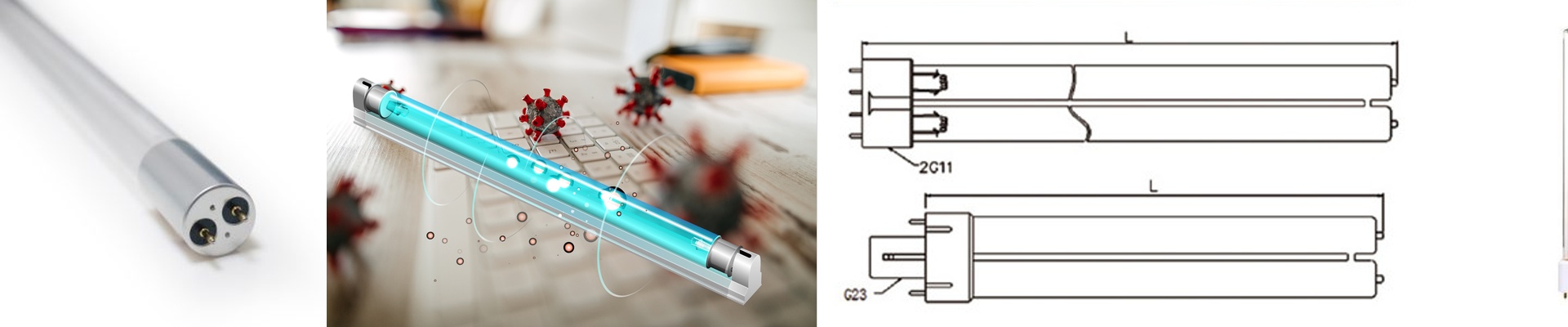
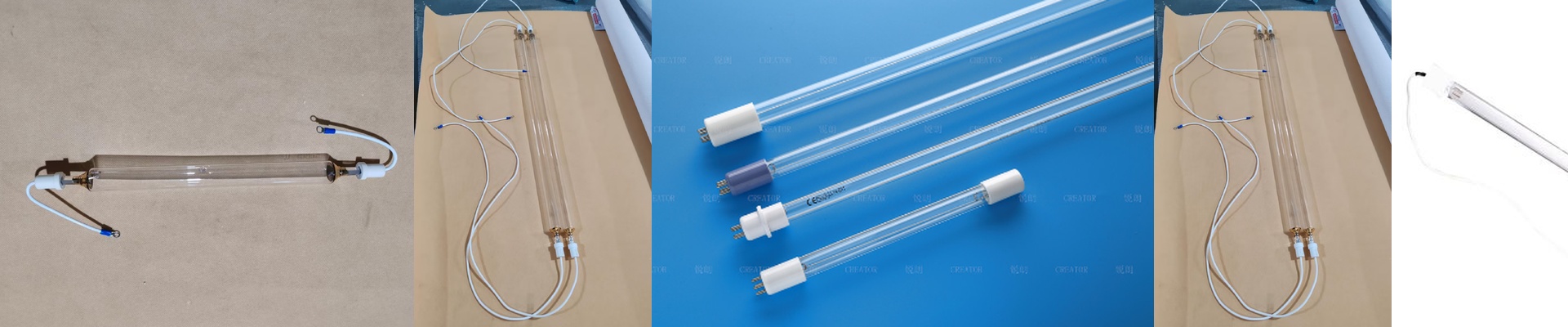
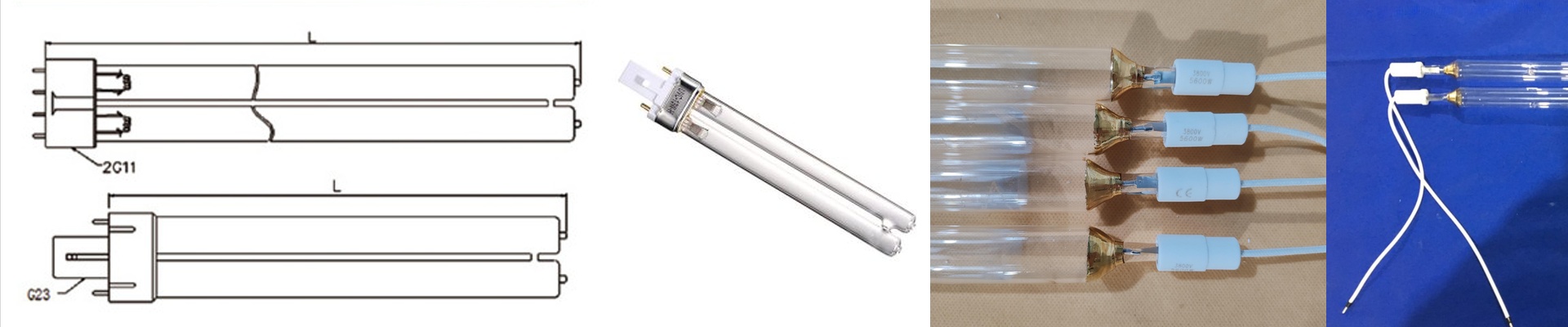
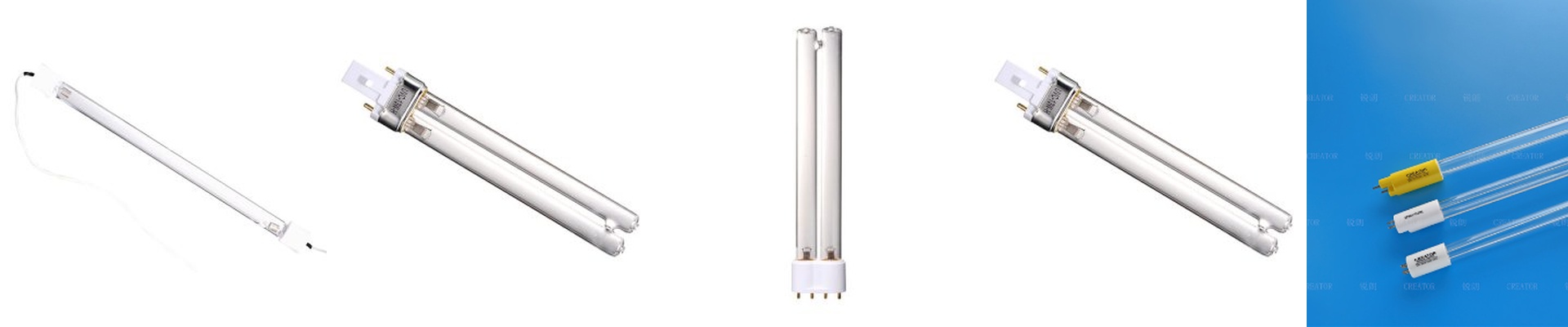
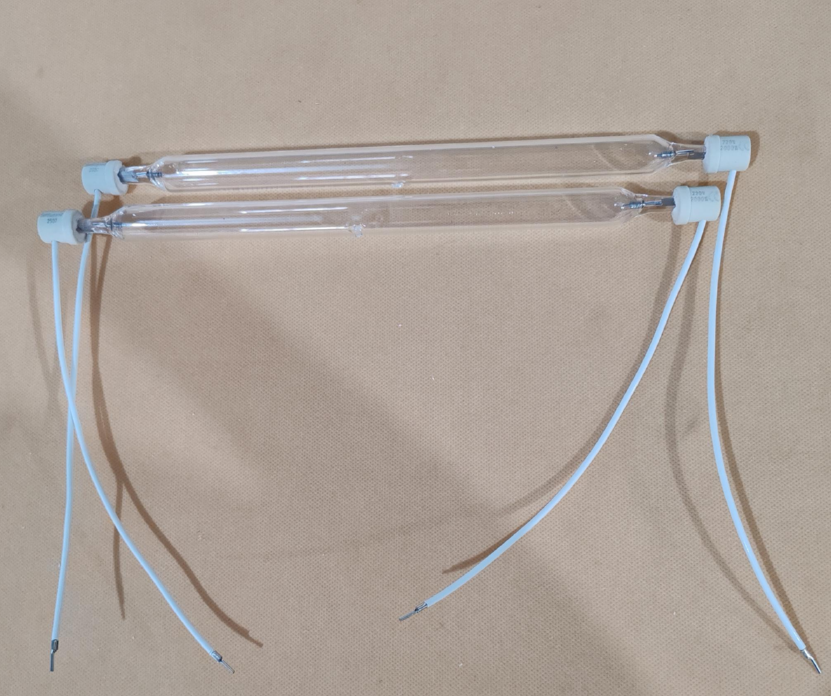
Standard UV lamps usually just don’t cut it when you’re chasing a specific photo-chemical reaction. That’s why we use Gallium Iodide (GaI) lamps. They hit that sweet spot—usually between 330nm and 400nm—which is exactly what the photoresist in high-density PCB layouts needs to actually work.
Why the “Gallium Dose” Matters
We put gallium iodide into the quartz envelope to shift the light spectrum. Most lamps throw off way too much infrared heat. That’s a problem because that heat can warp your thin substrates or make the resist “flow,” which is a nightmare for precision. Our GaI tubes put the energy exactly where it belongs: in the narrow band needed to cross-link the polymer. The result?**Crisp, sharp edges on your traces.**You’ll spend a lot less time worrying about accidental shorts on your boards.
The Trade-off: Power vs. Heat
These tubes are built to handle a lot of current. Packing high wattage into a small space means your exposure times drop, which keeps your line moving fast. But here’s the catch: all that energy creates a ton of heat. If your cooling fans aren’t up to the task, the lamp temperature will spike. When that happens, the spectral peak shifts, and you might just ruin an entire batch of wafers.**Make sure your housing is actually vented.**Don’t skip this part.
Getting Them on the Shop Floor
If your power supply matches the voltage, these are pretty much drop-in replacements for your standard UV arrays. We use reinforced end-caps, so you don’t have to worry about gas leaking during thermal cycling. A couple of pro tips for when you’re wiring them up: Check your reflectors. If they’re degraded, you’re wasting about 20% of your light and just pumping useless heat into the machine frame. And for heaven’s sake,**keep the quartz clean.**A little bit of dust might not seem like a big deal, but it’ll burn right into the glass. That creates hot spots, and that’s the fastest way to kill a tube.