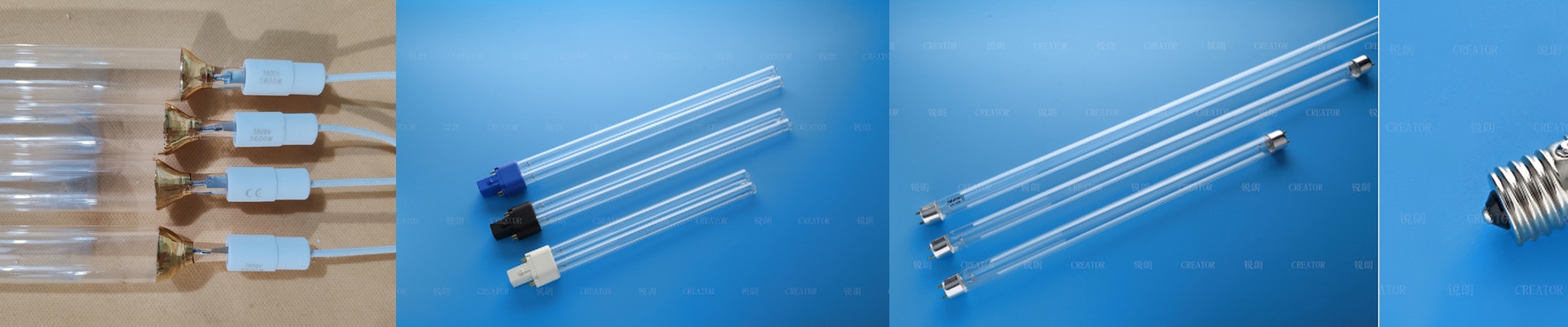
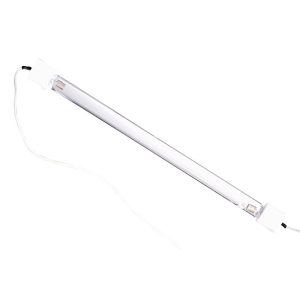
Getting UV-C Lamps Right in Your Textile Line
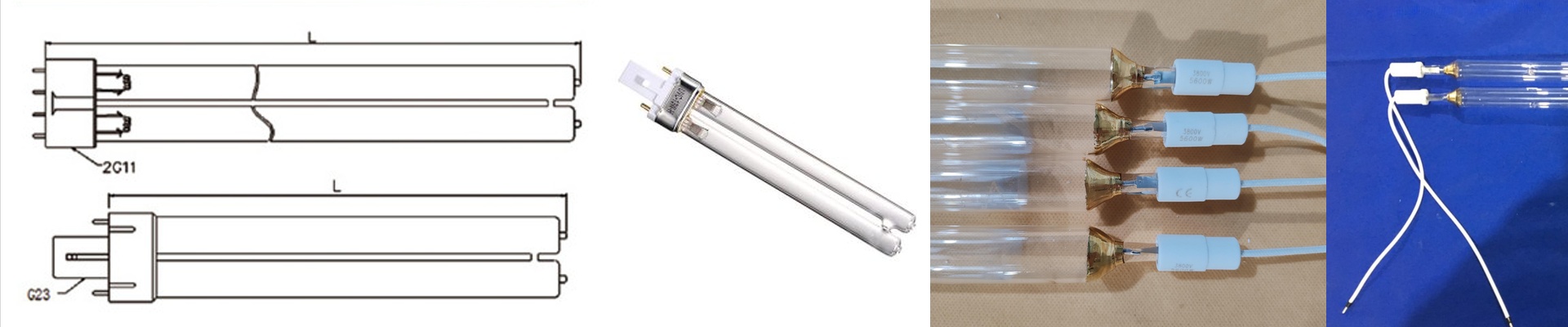
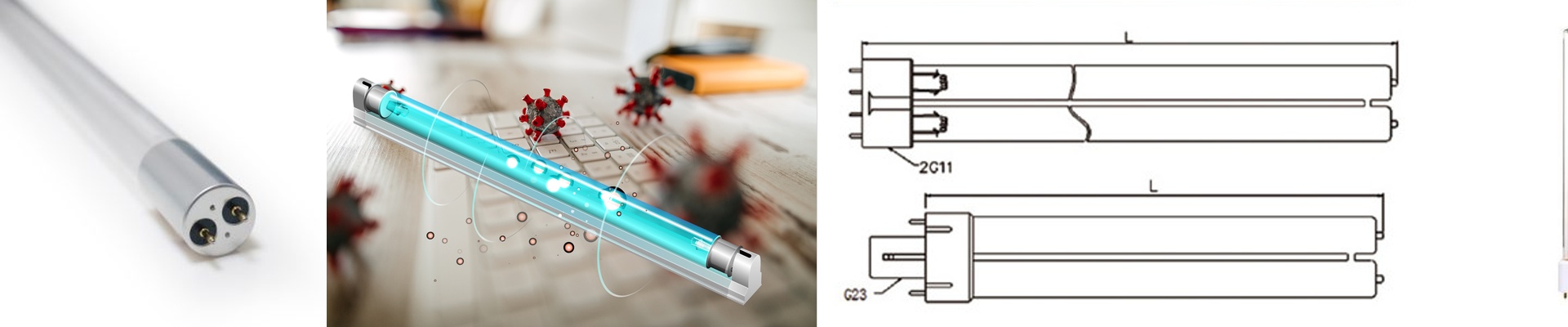
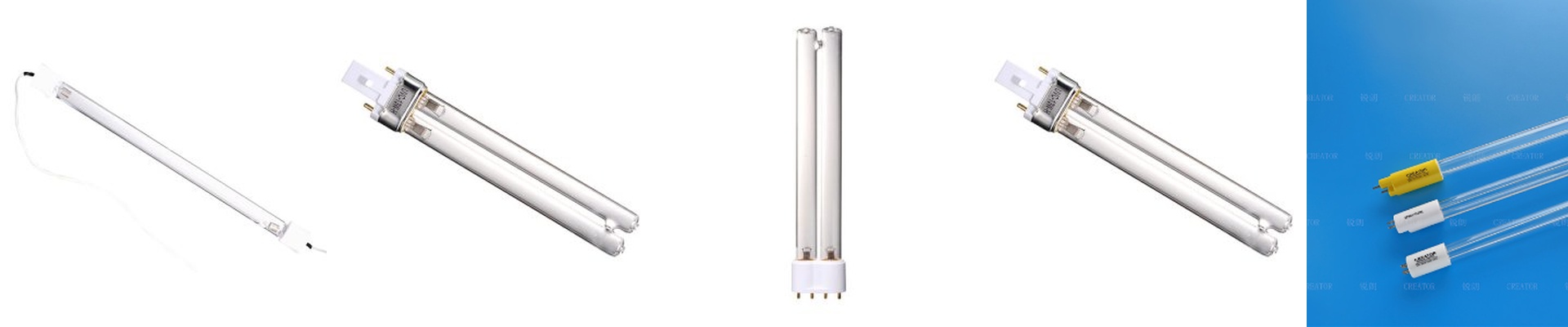
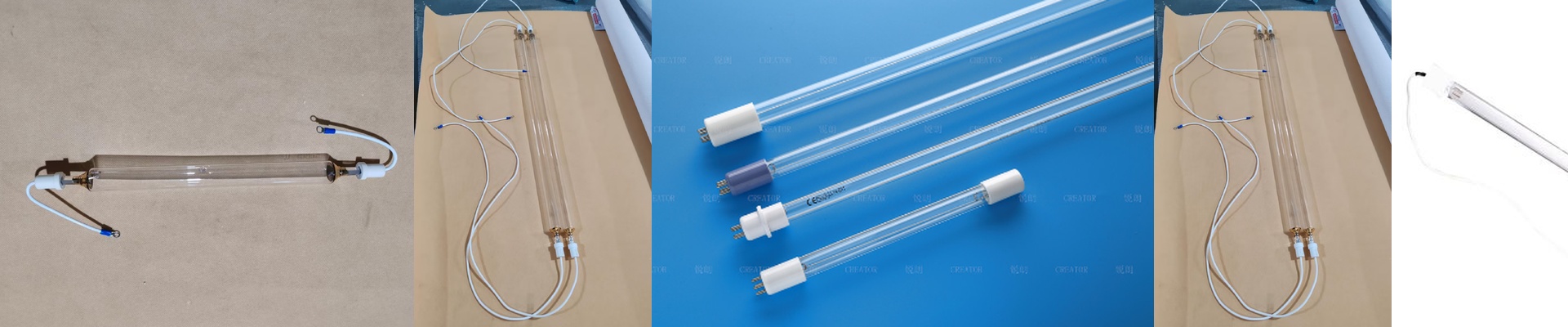
When we build UV-C germicidal lamps for textile printing, we aren’t just thinking about “drying ink.” It’s more about managing high-energy photons to keep your prints stable and your fabric clean.
The Light and the Danger
Most of these lamps hit a peak at 253.7 nm. That’s the sweet spot for breaking down microorganisms and locking in UV-curable inks. But here is the catch: you can’t see this light, and it’ll wreck your skin and eyes in a heartbeat. Because of that, we don’t mess around with shielding. Your housing needs to be aluminum or stainless steel—and it has to be airtight. No leaks. Period. If your line has spots where people need to reach in, you’ve got to install PIR sensors or physical kill-switches. The power should cut the second a technician’s hand enters the zone. Safety isn’t optional here.
Dealing with the Heat
You’ll notice these lamps get warm. That’s just how the electricity works. The problem is that synthetic fabrics are finicky. If the lamp is too close to the belt, you’re not just curing ink—you’re warping the fabric. We spend a lot of time balancing the wattage so you get the right irradiance (mW/cm²) without scorching your material. You also have to watch your conveyor speed. If the fabric crawls too slowly, the heat builds up and starts degrading the fibers. It’s a balancing act.
When to Swap Them Out
Here is something that trips people up: UV lamps fade. A lamp might still glow a pretty blue, but the actual UVC output is dropping. Once it hits about 80% of its original strength, it becomes a bottleneck. You’ll start seeing “tacky” prints or inconsistent curing, and that’s a headache you don’t want. Don’t just trust a timer on the wall. Grab a calibrated radiometer and check the actual output on the shop floor. It’s the only way to know for sure when it’s time for a fresh bulb.