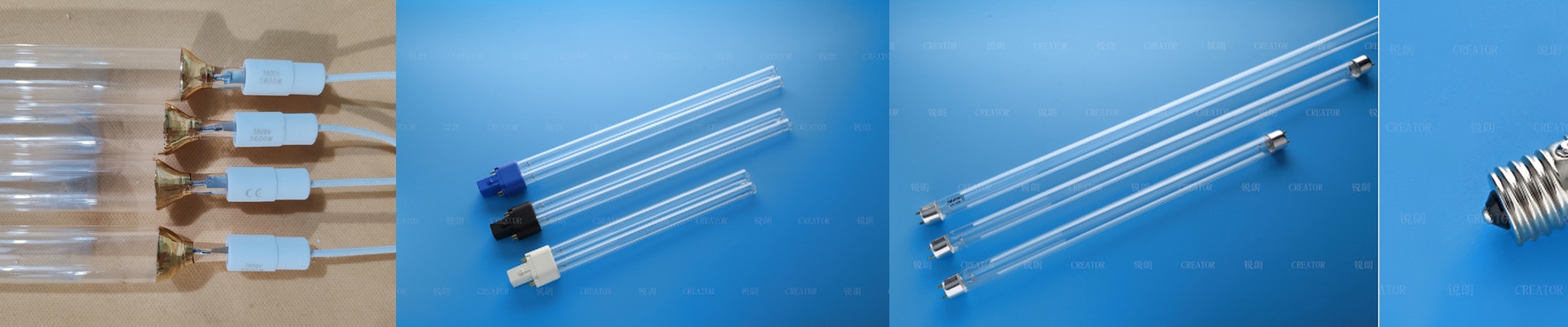
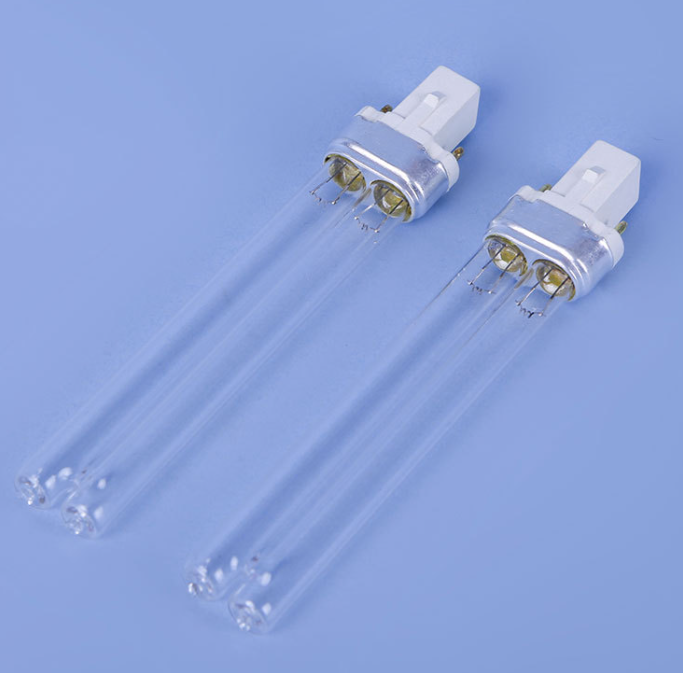
Getting Your Textile Ink to Dry Fast: The Truth About High-Pressure Mercury Lamps
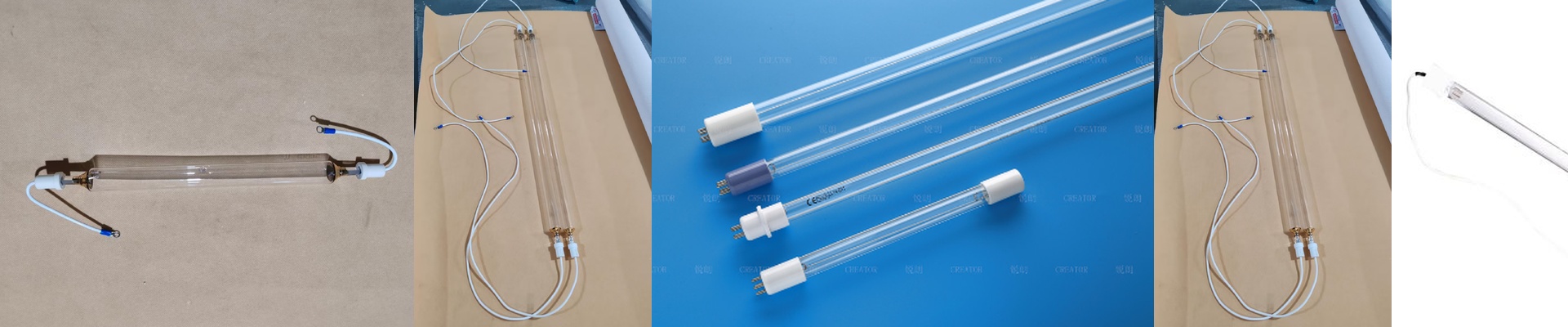
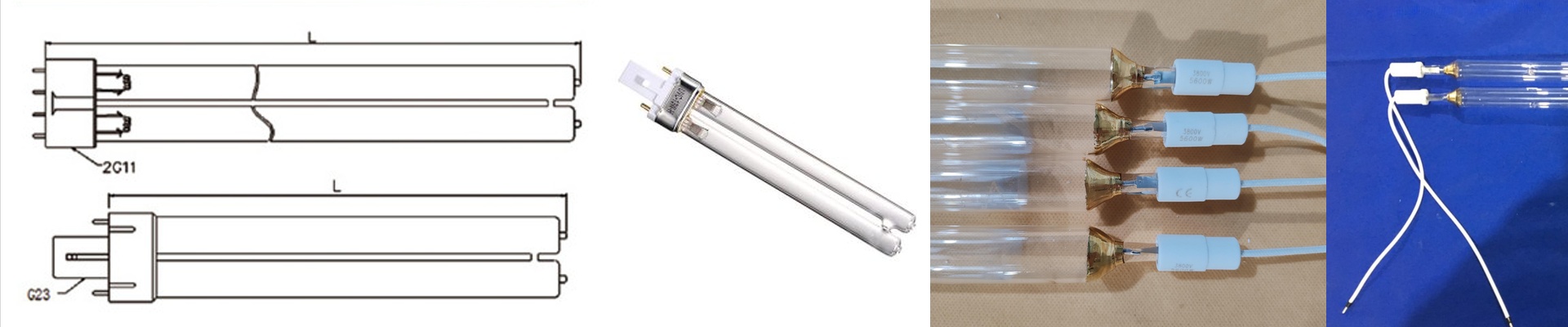
If you’re running a textile line, you know the struggle. You need that ink to set now, or everything slows down. That’s where our high-pressure mercury lamps come in. They aren’t your average lightbulbs. They’re designed to pump out a massive amount of UV energy that hits the photoinitiators in your ink, triggering a chemical reaction that hardens the ink almost instantly. The heat is the tricky part. When you’re cranking up the wattage to keep a high-speed line moving, things get hot. Really hot. Here is the thing: you have to keep an eye on your conveyor speed. If your line crawls but your lamps are still blasting at full power, you’re going to scorch your fabric or end up with shrunk materials. It’s a nightmare to fix. To avoid that, we usually suggest using a chiller or some forced-air cooling. It keeps the housing from cooking itself and saves your fabric. Why we use fused quartz We build the envelopes out of high-purity fused quartz. Why? Because regular glass would just soak up all that short-wave UV radiation. Quartz lets it pass right through. Inside, the pressurized mercury vapor shifts the energy peaks. This is a big deal for porous fabrics because it gives the UV the “muscle” it needs to punch through thicker layers of ink. Keeping things running smooth These are designed to be simple drop-in replacements. You don’t need to rebuild your whole station. We spent a lot of time on the electrode stability because nobody wants a lamp that burns out early. But look, these things do age. Usually, between 1,000 and 2,000 hours, you’ll notice the UV intensity dipping. You’ll know it’s time for a change when the print starts feeling tacky to the touch. A couple of pro tips to make them last: First, make sure your ballast system is stable. Voltage spikes are absolute killers for electrodes. And please,keep your reflectors clean. It sounds basic, but a thin layer of dust can kill your UV output by 20%. When that happens, you’ll be tempted to run the lamps hotter just to get the same result, which only wears them out faster.