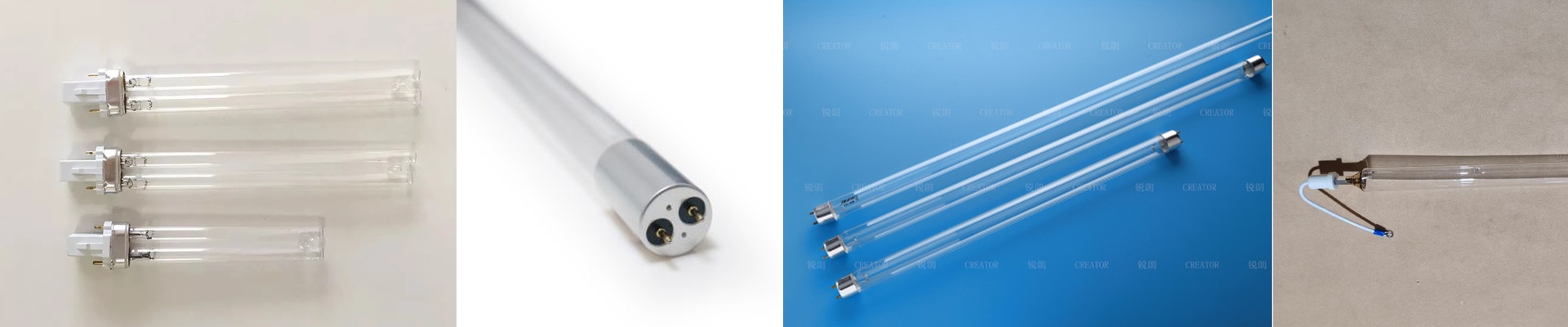
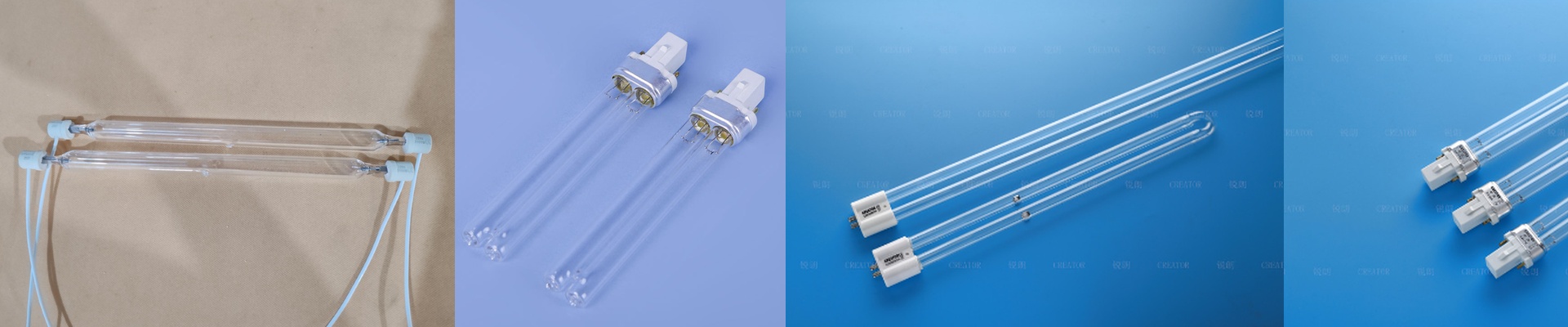
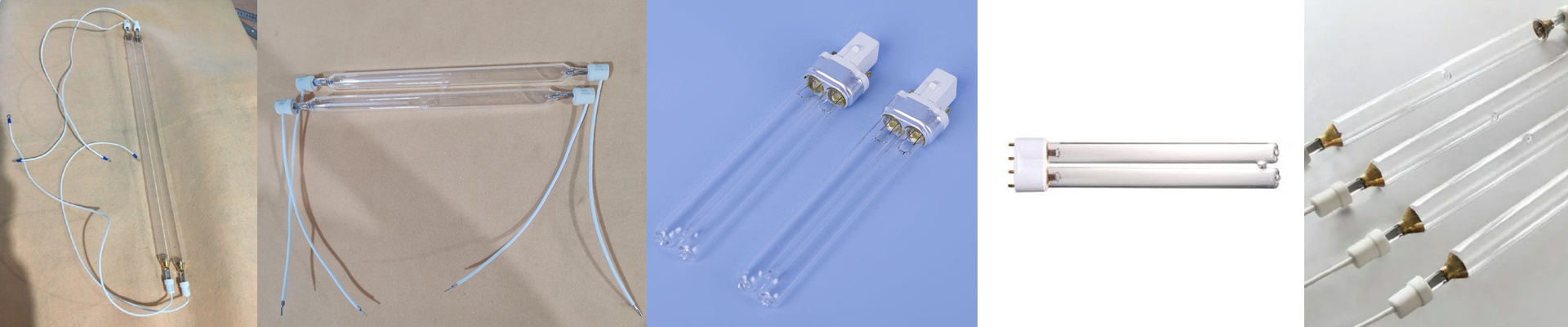
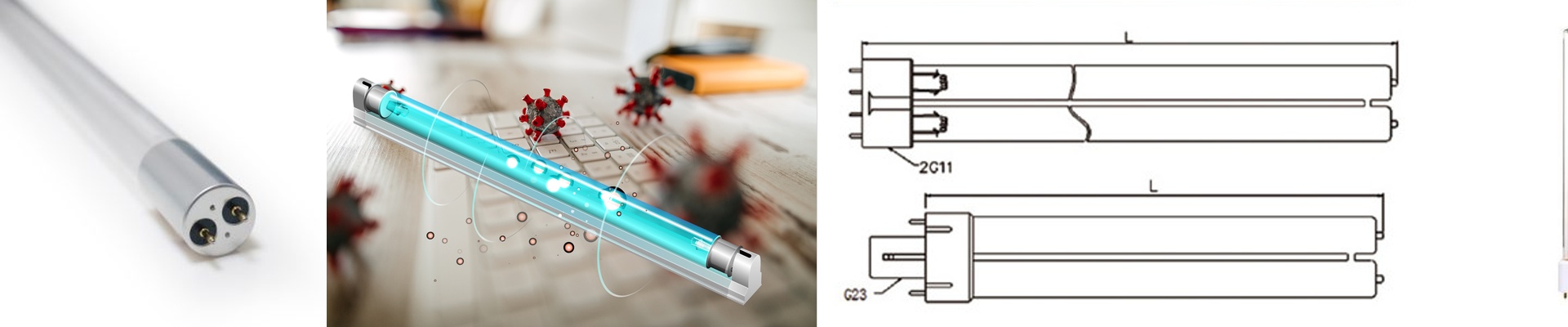
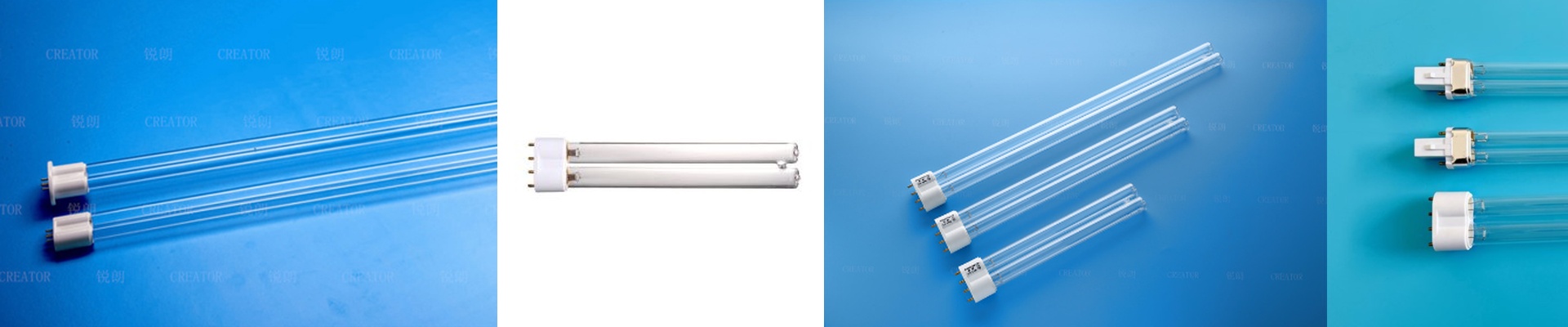
Why Most UVC Lamps Are Just Wasting Your Money
Here is the truth about most germicidal lamps: they’re sloppy. They throw light everywhere, wasting a ton of energy on wavelengths that don’t actually do anything. We do things differently. We focus everything on one narrow peak—the exact spot where DNA and RNA are most vulnerable. Instead of heating up the air in your room, we send the photons straight into the germs. It’s a simpler approach, but it means you can get the same sterilization results while using way less power.
Getting the Power Right
Precision matters here. We calibrate our lamps to hit exactly 253.7nm. If you drift just a few nanometers off that mark, the effectiveness plummets. To keep your electricity bill down, we spent a lot of time tweaking the mercury vapor pressure and the electrodes. The result? You get a high UVC output without stressing your power supply or turning your fixture into a space heater. It just works.
The Quartz Trade-off
You can’t use regular glass for this. It blocks UVC. That’s why we use high-transmittance synthetic quartz. It lets the light pass through without getting trapped. We also ditched the fancy coatings that usually cause these bulbs to burn out early. Now, there is one catch. High-purity quartz is a bit temperamental. It can handle the heat, but it hates being bumped.**Be careful with your mounting brackets.**If they’re squeezing the tube too hard, it’s going to break. Give it some breathing room.
Putting Them to Work
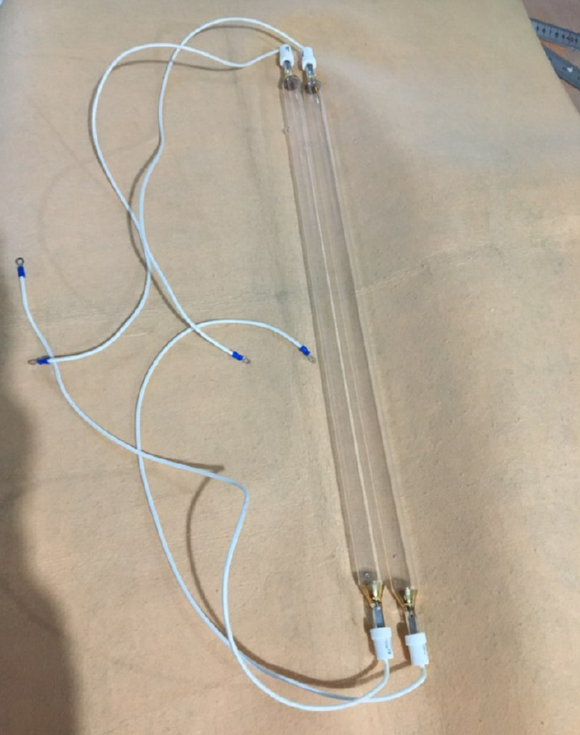
If you already have a UV system, these should slide right in. Because these lamps are more efficient, you have a couple of options. You can either use fewer lamps in your setup or just run them for a shorter amount of time to hit your targets. Your ballasts will thank you for the break. Just one thing: double-check that your ballast’s starting voltage matches our specs. If it doesn’t, you’ll fry the electrodes way sooner than you should.