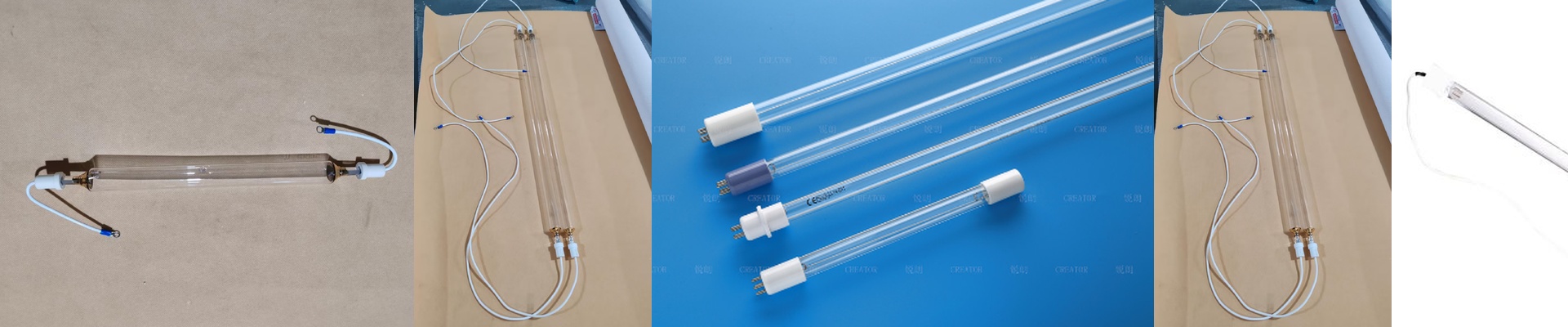
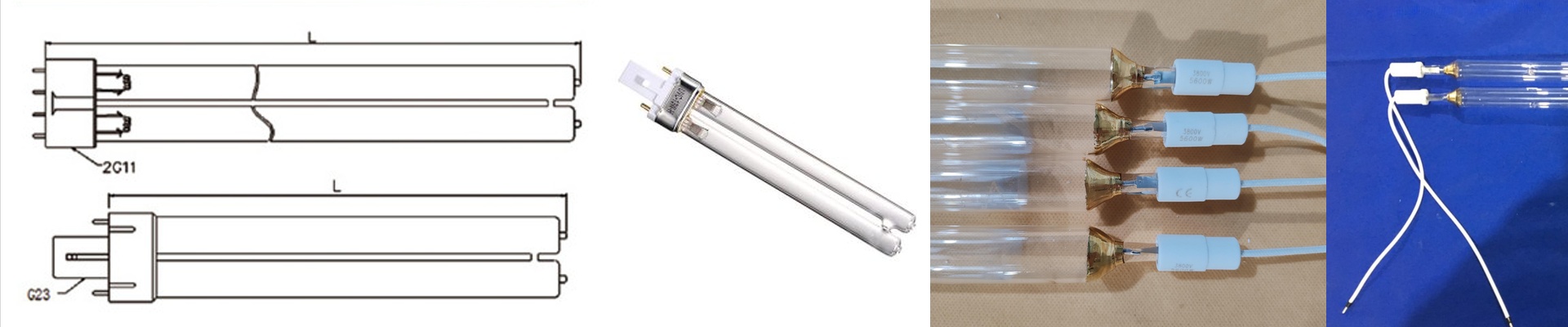
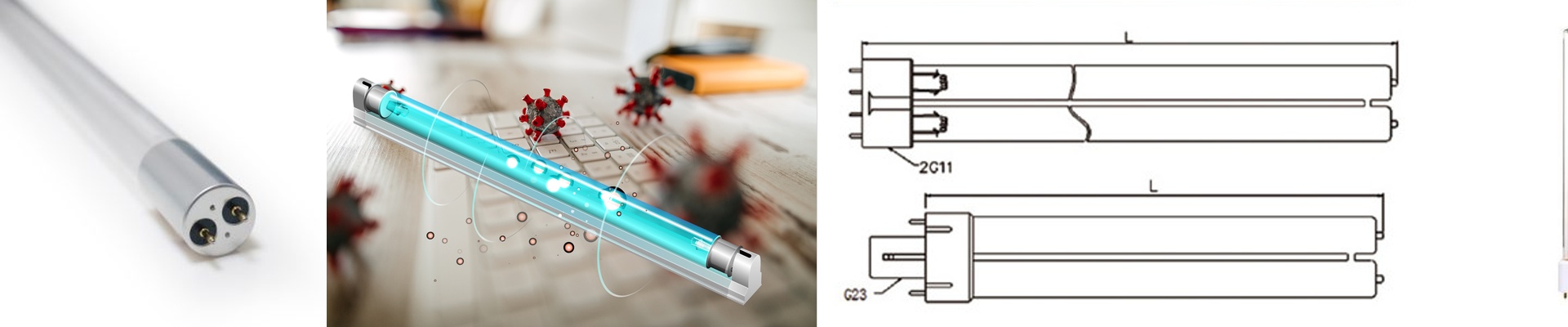
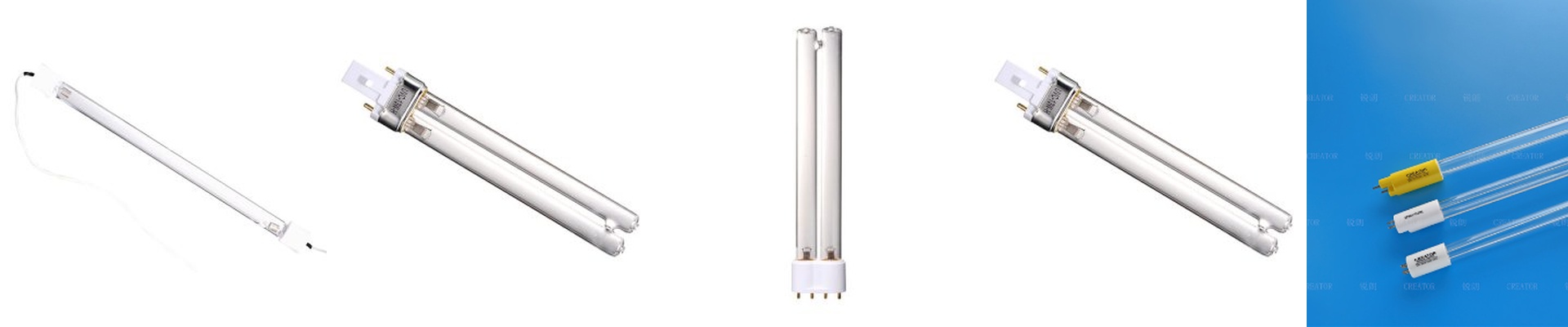
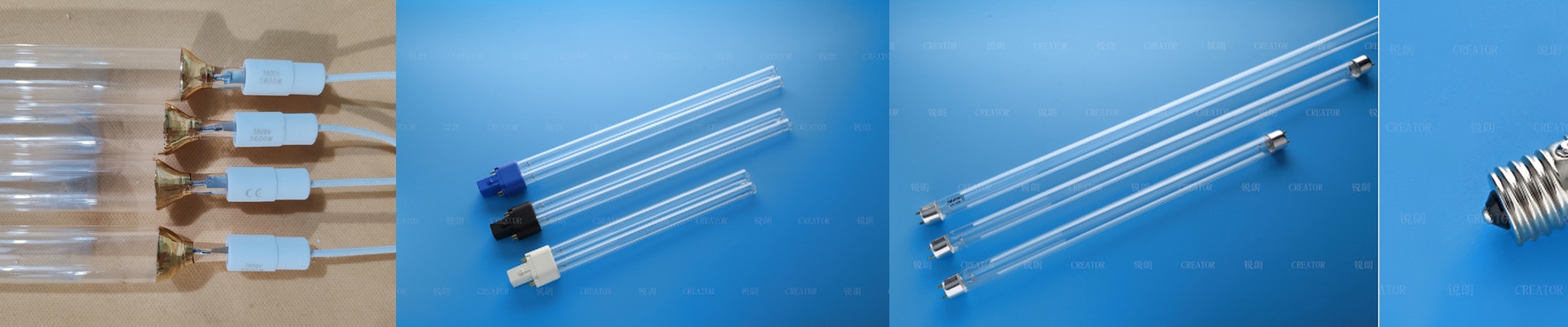
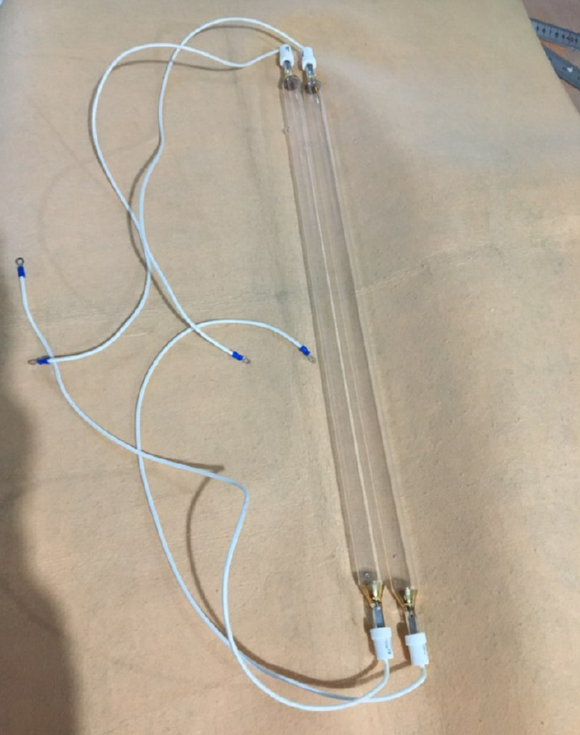
Getting the Most Out of 80W/cm Mercury UV Lamps
Most people look at a UV lamp and just see a tool for curing. But for us? It’s more like a precision energy delivery system. When you’re working with an 80W/cm mercury lamp, you aren’t just flipping a switch. You’re managing power density to hit a specific cure depth in a fraction of a second.
Why 80W/cm?
We stick with 80W per linear centimeter because it’s the sweet spot. It keeps your production moving fast without ruining the material you’re working on. At this level, the mercury vapor pumps out a broad spectrum of UV—mostly UVC and UVB. This gives you the kind of punch needed to get deep into thick coatings. But you have to be careful. If you crank the wattage too high, you’ll scorch the substrate. Or worse, you get “skinning.” That’s when the top layer hardens instantly and traps solvents underneath. Not a great look.
The Heat Struggle
We use high-purity quartz glass to make sure as much UV as possible actually gets through. But here is the catch: mercury lamps gethot. Like, really hot. Along with the UV, you’ve got a massive amount of infrared heat. You can’t just plug these in and hope for the best. You need a cooling system that actually works. Whether you go with forced air or water-cooled jackets, your cooling has to keep up. If it doesn’t, that quartz tube is going to stress and crack. Simple as that.
Making it “Smart”
If you’re running a modern factory, the old “set it and forget it” timers just don’t cut it anymore. We build these lamps to work with electronic ballasts that let you tweak the power in real-time. You can wire them straight into your PLC and adjust the intensity based on how fast your line is moving. Think about it: if the belt slows down, you drop the wattage so you don’t over-cure. If you speed things up, you ramp it back up. It stops your lamps from burning out early and cuts down on wasted electricity. Suddenly, a part that used to be a simple consumable becomes a variable you can actually control in your data.