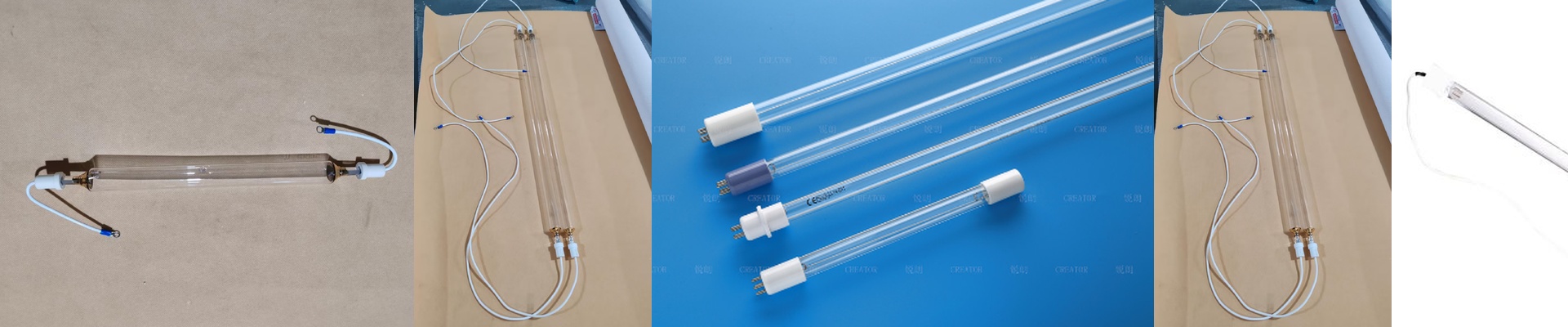
Let’s Talk About Mercury UV Bulbs for Textile Printing
If you’ve spent any time in a printing shop, you know that standard mercury bulbs are basically the heavy lifters of the curing world. We build these things to do one job: hit those UV-curable inks with enough energy to turn liquid resins into a solid film—and do it instantly. In the textile world, that’s the difference between a crisp, professional print and a smudged mess that bleeds into the fabric.
Getting the Power Right
Mercury lamps put out a wide range of UV radiation, mostly hitting those 254nm and 365nm peaks. We spend a lot of time balancing the wattage and voltage because porous fabrics are tricky. The ink sinks in, and you need the light to actually penetrate those deeper layers. If the energy density is off, you end up with “under-curing.” It’s a nightmare. The surface feels dry to the touch, but the base of the ink stays tacky. Not a great look for a finished garment.
The Quartz Factor (and why you need gloves)
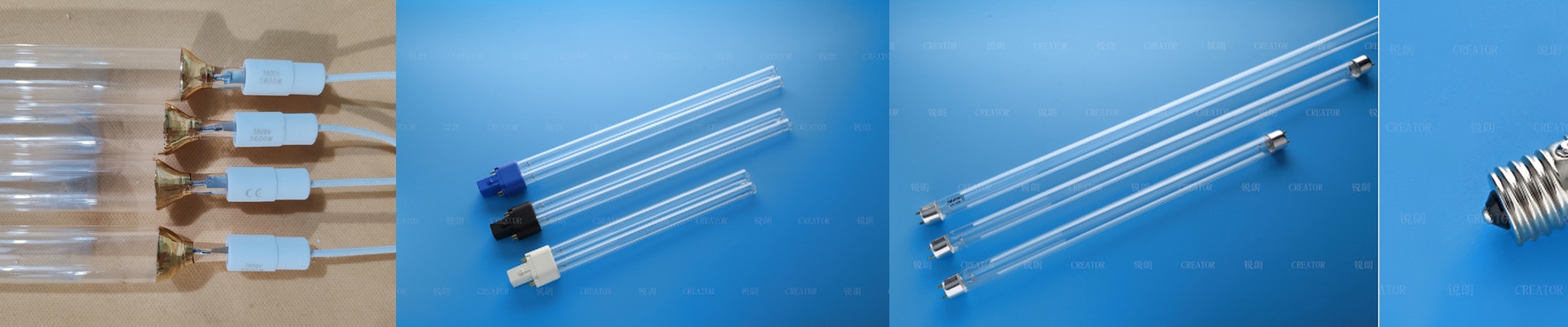
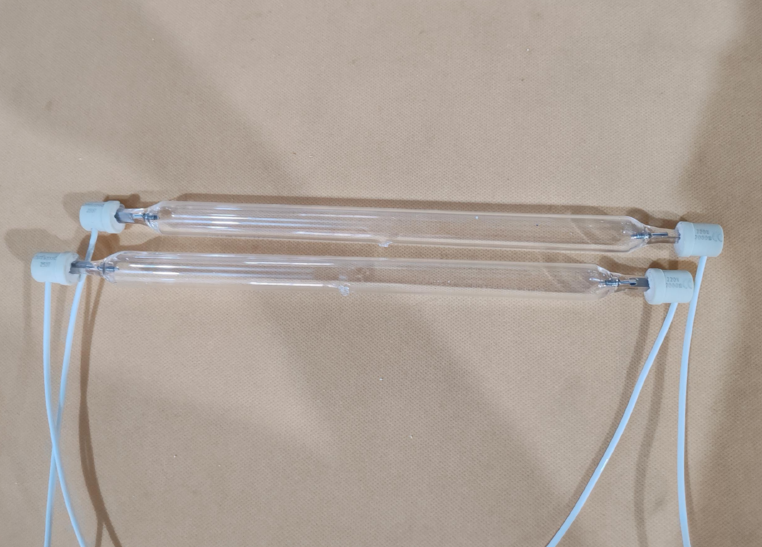
We use high-purity fused quartz for the bulb envelope. Why? Because it lets UV rays fly through without getting absorbed, and it can handle the blistering heat of the arc. If you used cheap glass, the tube would warp the second you cranked it up to full power. But here’s the catch: quartz is fragile. It handles heat like a champ, but it hates being bumped. And please, for the love of your equipment,**don’t touch the glass with your bare hands.**A single fingerprint or a smudge of oil creates a “hot spot.” That spot gets too hot, the glass stresses, and the bulb burns out way sooner than it should. Use gloves. Always.
Fitting Them Into Your Line
The good news is that these are designed to be simple drop-in replacements for most standard curing tunnels. We’ve tuned the electrodes for a fast, stable start. Nobody wants a flickering lamp—that just leads to splotchy, uneven curing across the width of your fabric. One last thing: keep an eye on your cooling. These bulbs throw off a ton of infrared heat. If your exhaust fans quit or your conveyor slows down too much, you’re not curing the ink anymore—you’re scorching the fabric. Just match your line speed to the bulb’s wattage, and you’ll hit that sweet spot every time.