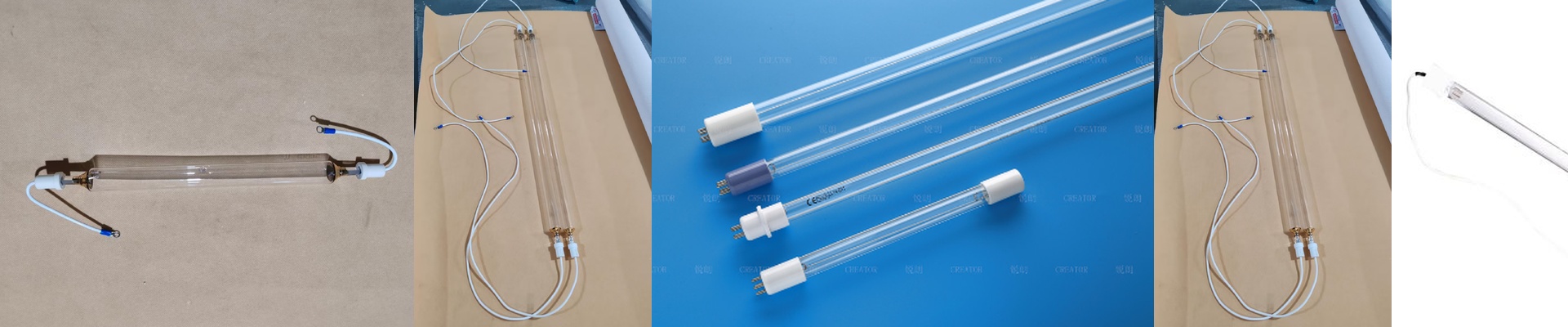
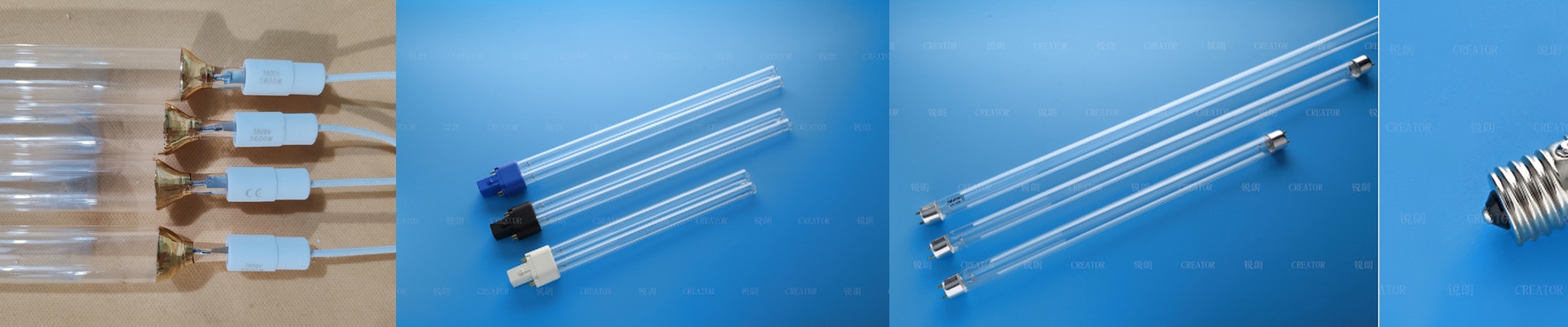
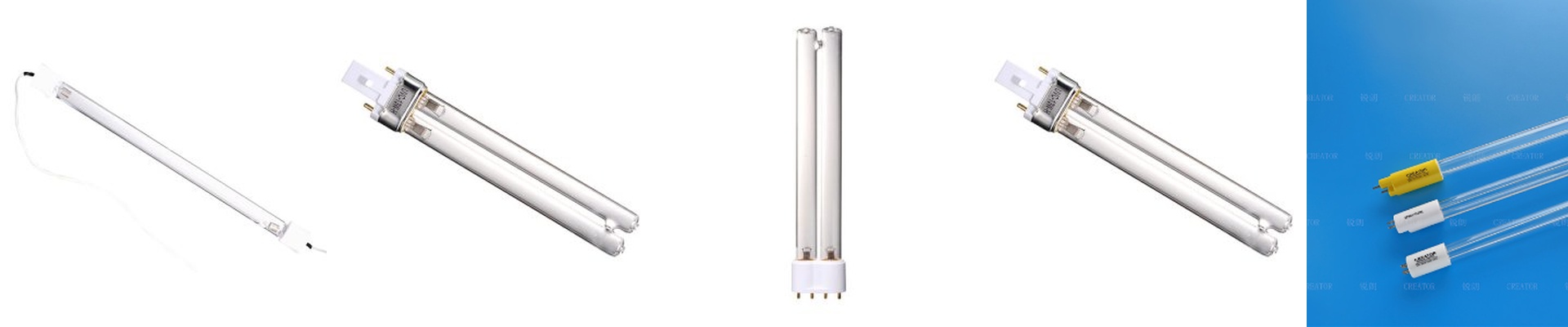
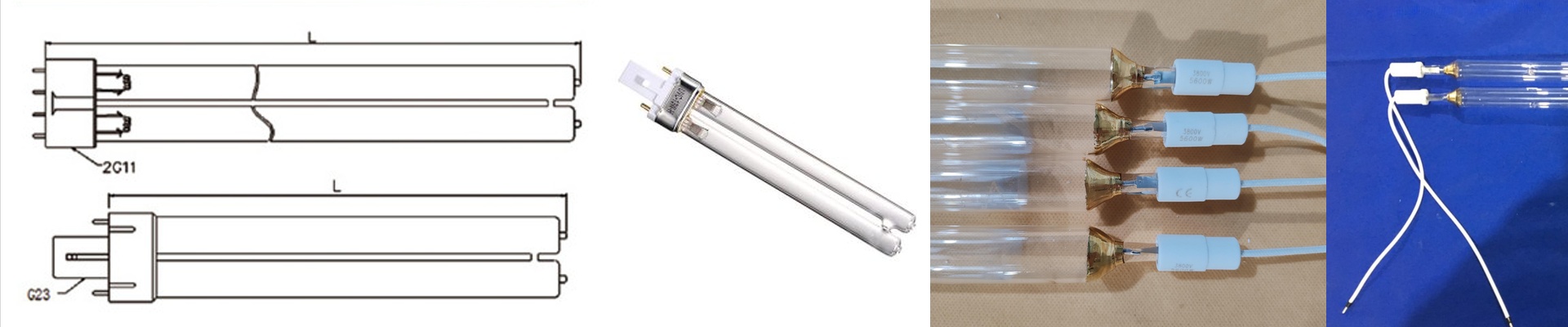
Export-focused printing lines can’t tolerate customs holdups. A UV lamp that’s not compliant will stall shipments, eat budgets on re-testing, and blow out delivery dates. We built our full line of CE-marked industrial mercury UV bulbs to clear customs fast—without backing off the spectral output and irradiance that offset, flexo, and screen UV curing actually demand. Here’s what matters in the real world: the lamp output has to match the photoinitiator chemistry in your ink or coating. Industrial mercury vapor lamps punch hard around 365 nm, with additional lines near 313 nm and 405 nm that drive both surface cure and through-cure. And “curing” isn’t a vibe—it’s energy density (mJ/cm²) delivered under a known peak irradiance (W/cm²). Our lamps hold stable spectral output along the full arc length, and the reflector geometry is tuned to keep dose uniform across the substrate. Spec the right arc length and power density, and you get repeatable cross-linking at production speed. Why this matters for export buyers: you need compliance without giving up performance. Every bulb in the range carries CE marking, so you cut through the compliance overhead that slows global shipments. The payoff is faster customs clearance, fewer documentation loops, and fewer port holds. At the same time, output stability keeps the cure consistent across coated and printed substrates, so you see less scuffing, fewer adhesion problems, and far less rework. A few shop-floor details that make or break it: match lamp voltage and ignition method to your power supply and ignitor. Mismatched drivers will shorten lamp life and throw off spectral output. Check reflector alignment and cooling airflow—overheating shifts output and pushes the lamp to end-of-life early. If the layout is ozone-sensitive, use ozone-free quartz envelopes and confirm the chamber design. And schedule replacements around the lamp’s output degradation curve, not after it fails, so curing energy stays within spec.