What We Learned Designing UV Bulbs for the Real World
I’ve spent time in about 3,000 different printing plants. And after all those visits, I noticed something frustrating. There’s a massive gap between how a UV bulb performs in a clean, quiet lab and how it actually handles a chaotic shop floor. Most bulbs don’t die because the gas mix is wrong. They die because they just aren’t built for the brutal, 24/7 thermal stress of a continuous run.
Power, Heat, and the “Dead Zone”
To get the curing speeds you need for high-speed presses, you have to crank up the wattage. That’s just physics. More wattage means more photons, which means your ink hardens faster. But here’s the tricky part: the bulb has to line up perfectly with the reflector’s focal point. If it’s off by even a couple of millimeters? You get dead zones on your substrate. It’s a tiny mistake that ruins a lot of expensive paper.
The Materials Game
We use high-purity fused quartz. Why? Because standard glass basically acts like a wall, blocking the very radiation you’re paying for. I’ve seen plenty of shops struggle with “burn out” where the electrodes just give up. We deal with that by tweaking the mercury vapor pressure inside the tube to keep things stable. But there’s a catch. When you push for maximum intensity, you generate a staggering amount of heat. If you’re running at peak power, your cooling system—whether it’s air or water—has to be able to keep up. If it can’t, your bulbs will burn out fast, or worse, the quartz will actually crack.
Making it Fit
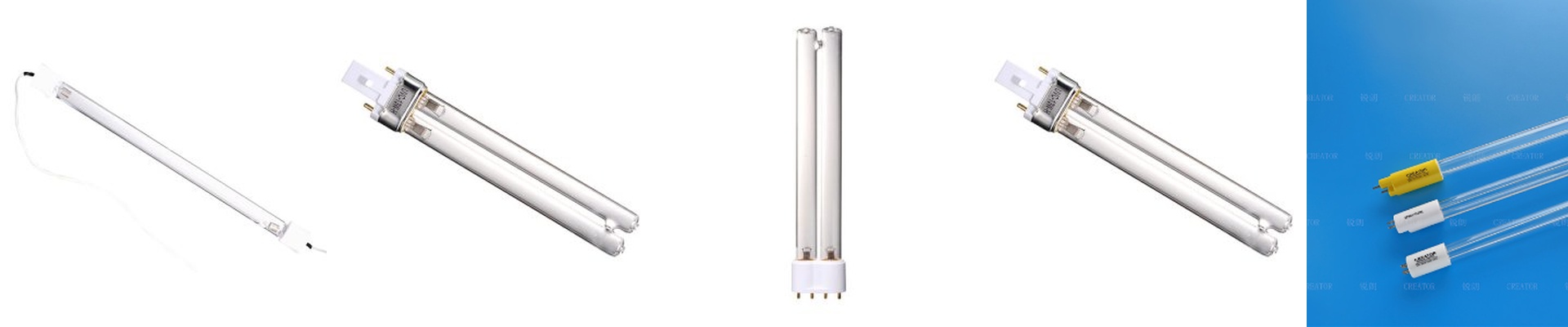
We designed these to be drop-in replacements because nobody wants more downtime. The secret is in the seating. If the connection is loose, you get arcing, which fries the end caps. We spent a lot of time on the mechanical tolerance of the pins to make sure they lock in tight. When they fit perfectly, the current stays stable. No flicker. No guesswork. Just a clean cure every single time.