Getting the Wavelength Right in UV Systems
We don’t just make bulbs. We’re in the business of managing photons. In the lab, we obsess over one tiny slice of the UVC spectrum: the 253.7nm peak. That’s the sweet spot. It’s exactly where DNA and RNA absorb the most energy. If your wavelength drifts by even a few nanometers, you’re in trouble. The germicidal power just tanks, and you lose that ability to actually break the molecular bonds of the bugs you’re trying to kill.
Why 253.7nm Actually Matters
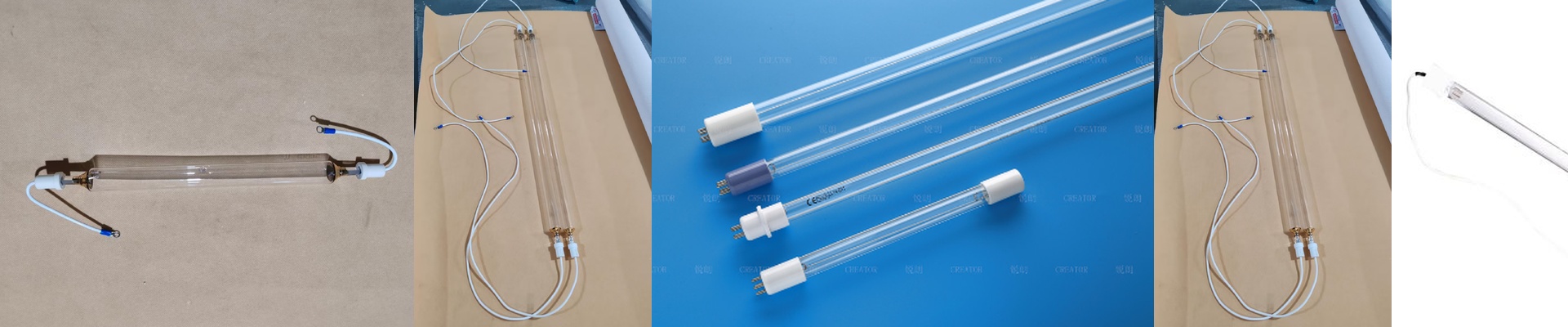
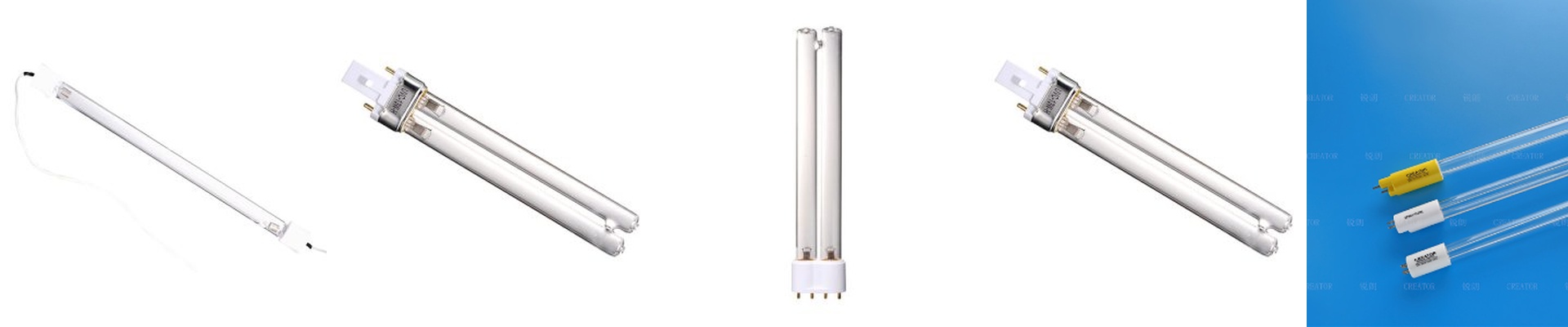
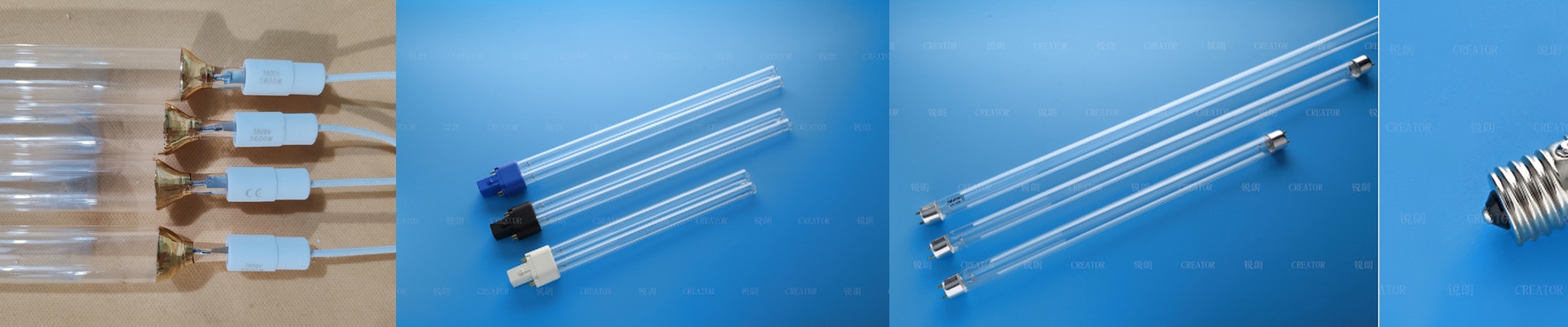
Most generic lamps are messy. They bleed into the 260nm to 280nm range, which isn’t nearly as effective. We keep things tight. We use high-purity synthetic quartz glass so the shortwave output doesn’t get blocked. Then, we calibrate the mercury vapor pressure inside the tube. It’s a delicate balance, but it ensures the discharge hits the exact energy level needed for a deep clean. Here’s the thing about buying in bulk: “wavelength drift” is a real nightmare. You get a batch of lamps and they’re all slightly different. We stop that from happening by controlling the gas fill and the electrode mix. If your system is built for a specific dosage, any variance means you aren’t hitting your kill rate. Simple as that.
The Trade-offs (And the Heat)
High-output UVC lamps get hot. Really hot. That’s the price you pay for the photon density needed for industrial-grade sterilization. If your housing doesn’t have the right airflow or a decent cooling footprint, that quartz envelope is going to stress out. And when it stresses, it burns out early. We build these to be drop-in replacements for big arrays. We care more about a stable arc than making the lamp look “bright.” Besides, you can’t see UVC—and for your own sake, you shouldn’t.
A Note for the Engineers
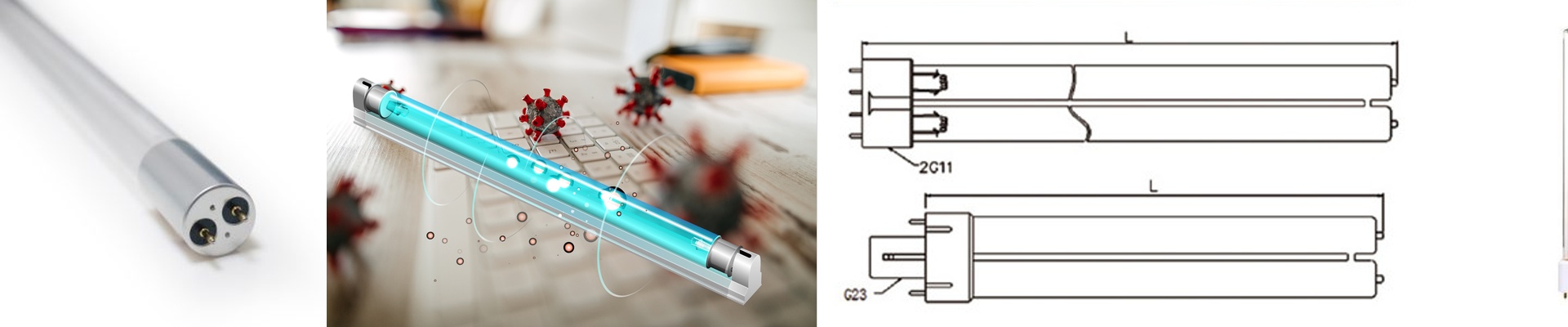
If you’re wiring these up in bulk, watch your ballasts. That’s usually where things go sideways. We match the impedance of our bulbs to standard industrial ballasts so you don’t deal with annoying flicker or overheating. Scale it correctly, and you’ll get a consistent sterilization field across your entire setup. No dead zones, no guesswork.