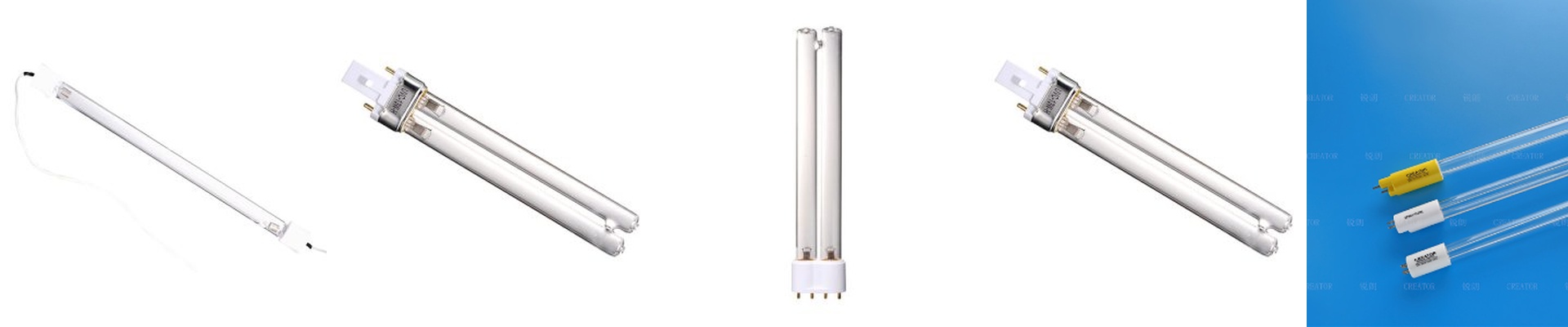
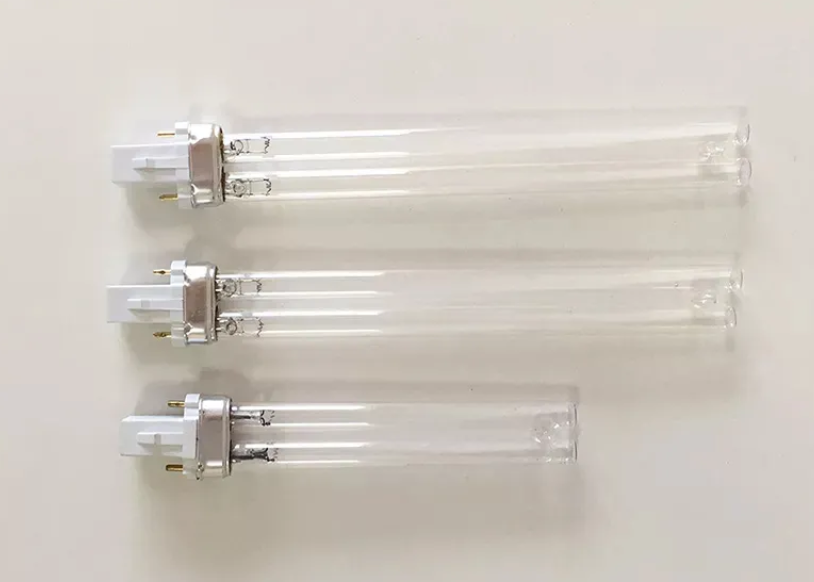
Why a 0.5% Difference Actually Matters
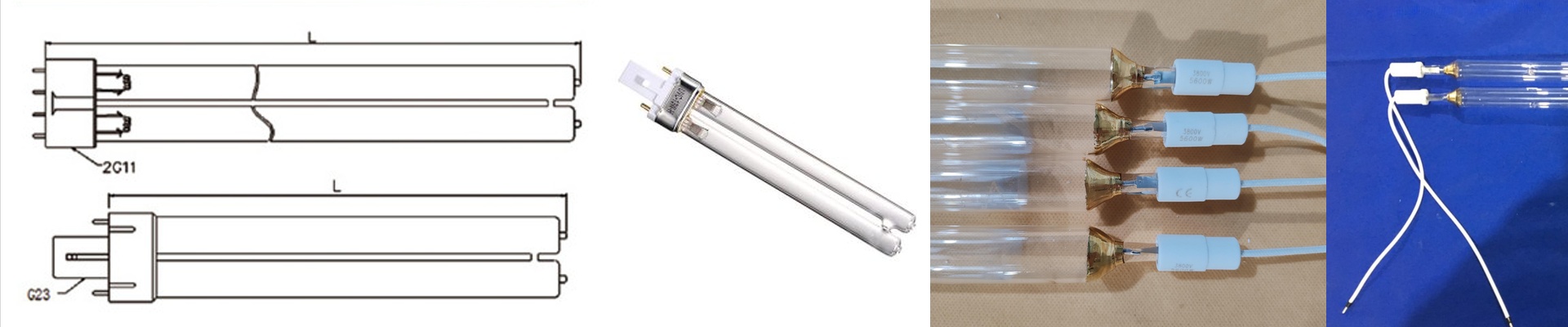
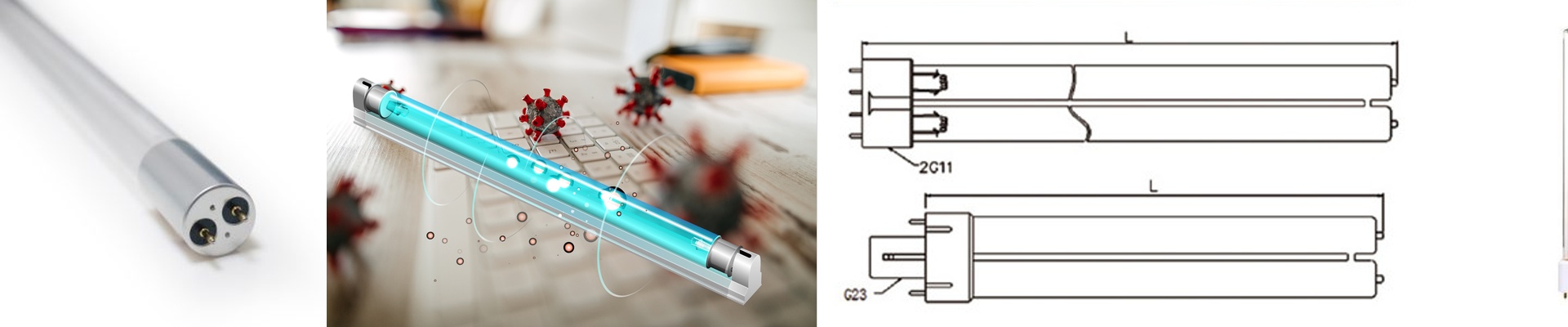
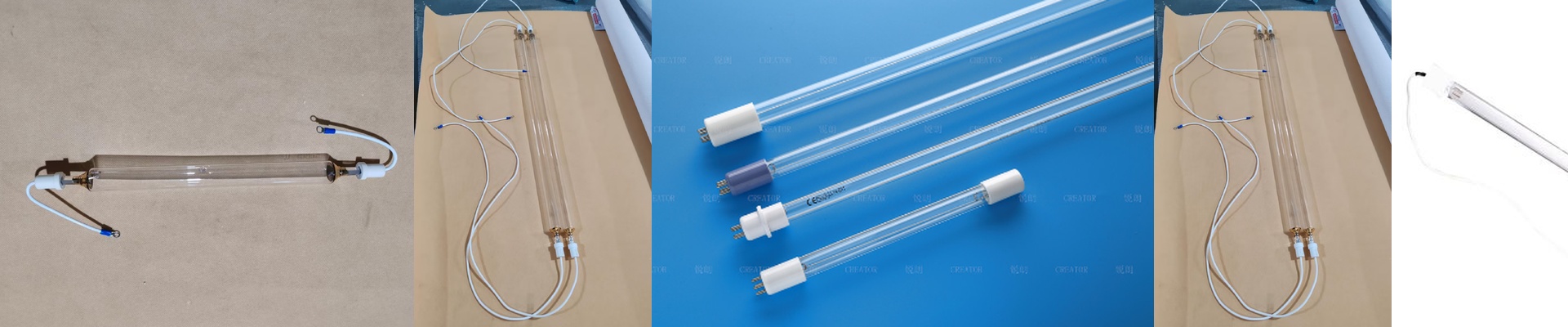
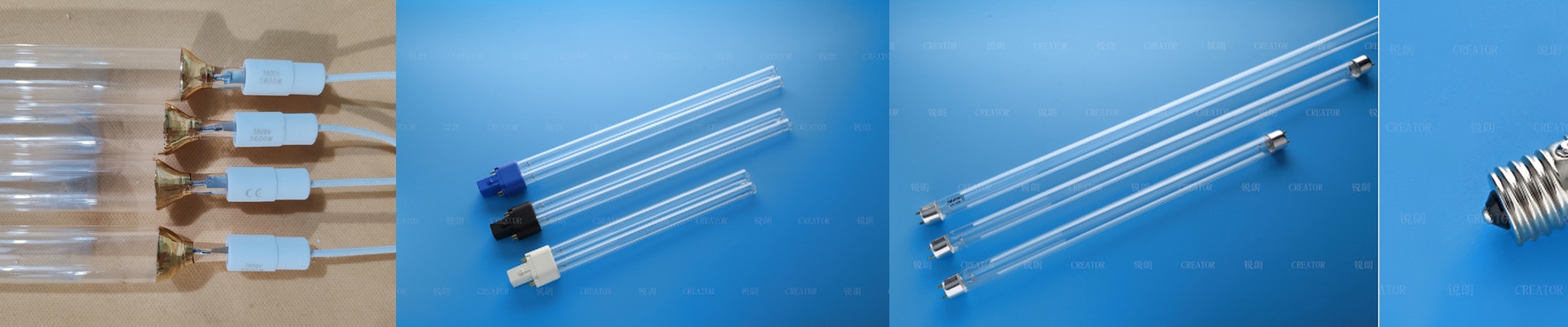
Most lamp makers are fine with “standard.” They hit a range, call it a day, and move on. We didn’t. We spent months obsessing over a 0.5% increase in spectral energy concentration. I know that sounds like a tiny number. But this isn’t a marketing gimmick. It’s just physics. When you’re dealing with thick, stubborn resins or trying to scrub a medical surface clean, a tiny shift in that peak wavelength changes everything. It’s the difference between the light just bouncing off the surface and actually sinking deep into the material. Getting the energy where it belongs To get that energy concentrated into a tight band, we had to get aggressive with the gas mix and the purity of the quartz. We tweaked the argon-mercury ratios to sharpen that peak. The goal? Stop wasting power on infrared heat. By tightening that concentration by 0.5%, you get a faster cure. You don’t have to crank up the wattage or push your equipment to the limit to get the job done. The trade-off (and what to watch for) Here’s the catch: when you pack that much energy into a small space, things get hot. Specifically at the ends of the lamp. We had to totally redesign the electrode seals so the quartz wouldn’t just crack under the pressure. You’ll notice the tips run hotter than what you’re used to. Because of that, you’ve got to make sure your cooling fans or water jackets are actually doing their job. If your airflow is sluggish, the lamp will burn out way too fast. Keep it cool, and it’ll last. What this looks like on your floor We designed these to be drop-in replacements. You just wire them into your current ballast and go. But once they’re in, you’ll feel it in the line speed. If you’re curing, you can push that conveyor belt faster without worrying about a tacky, uncured surface. If you’re sterilizing, you can cut down exposure times and still kill the same amount of microbes. In a high-volume shop, that 0.5% is the difference between a line that’s constantly bottlenecking and one that just flows.