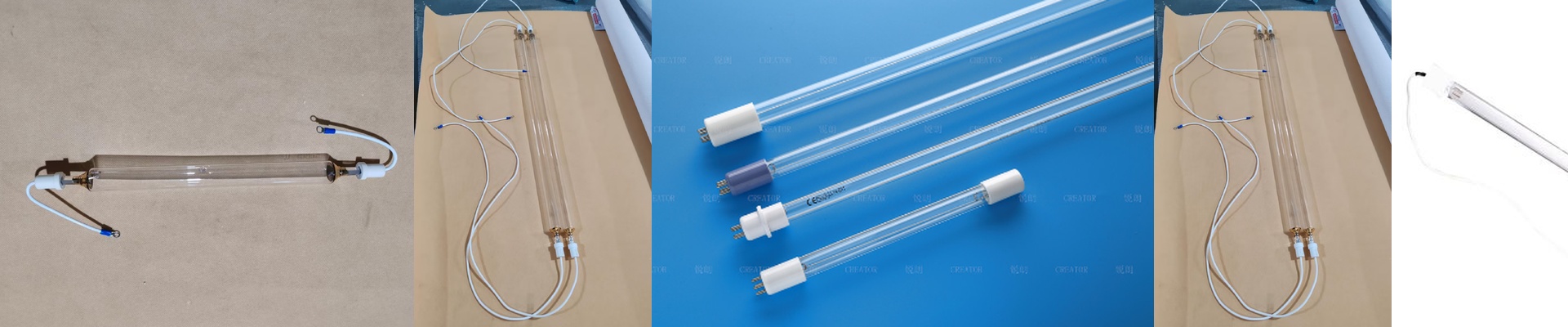
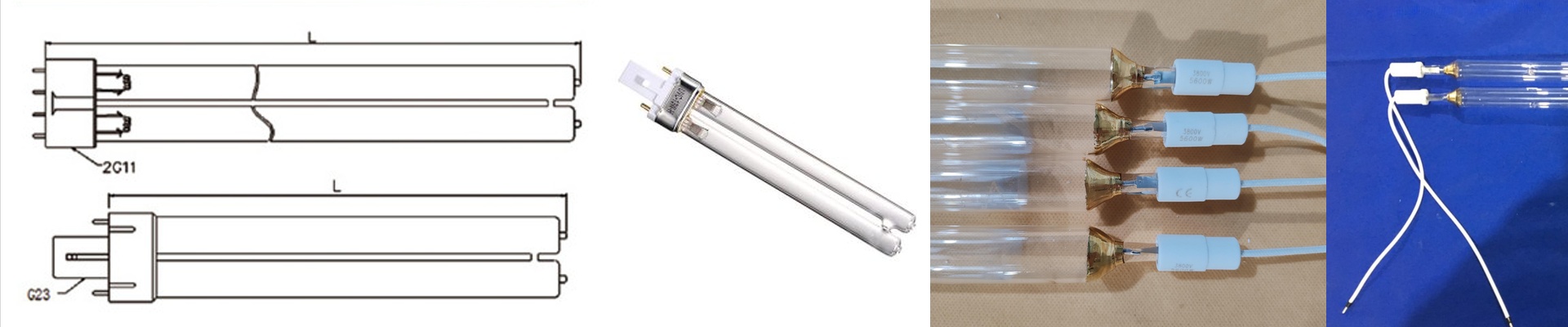
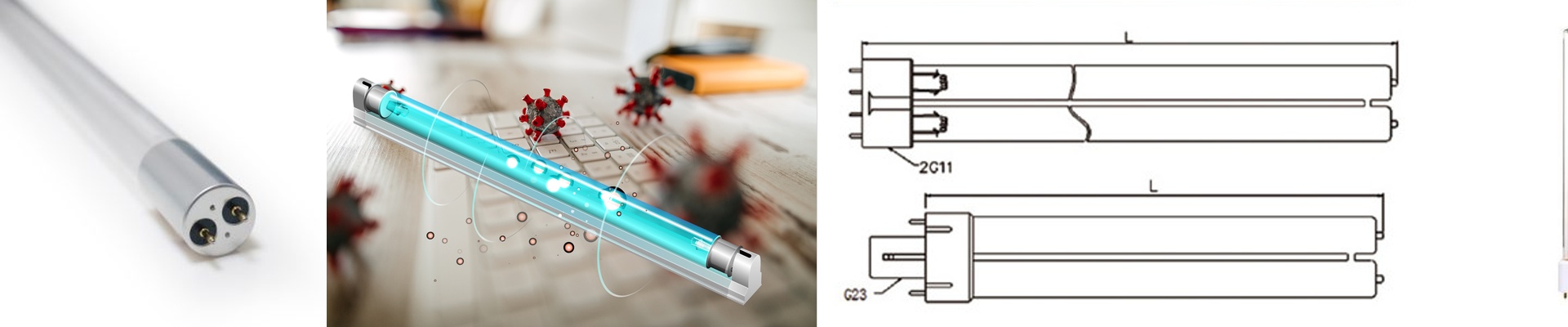
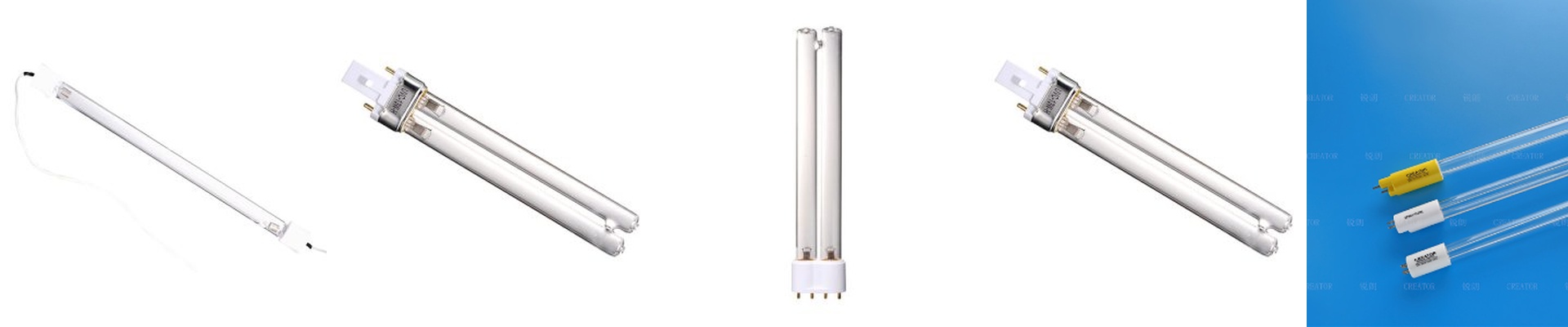
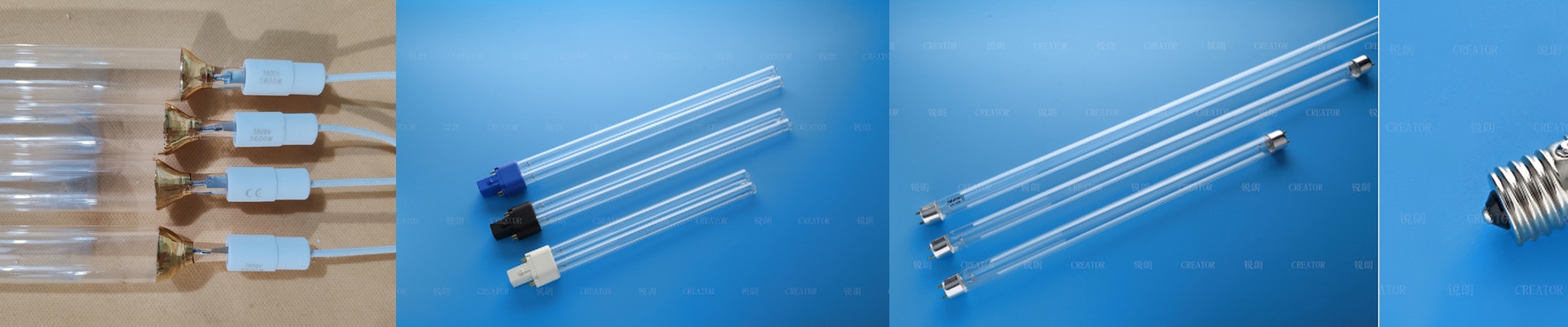
On a food line, microbial risk isn’t measured in marketing claims—it’s colony-forming units per square centimeter. If your disinfection cycle misses, you’re running non-compliant product and flirting with a recall. High-intensity UVC spot curing systems cut through that uncertainty with engineered germicidal output. No guesswork. What matters under the hood We spec a low-pressure mercury vapor lamp, built around the primary 254 nm line, in an ozone-free quartz envelope. That gives you stable germicidal spectral output, day after day. Peak irradiance at the target plane stays at ≥120 mW/cm²—the kind of dose that breaks microbial DNA and RNA. But the differentiator is stability. We hold drift under 2% over 1,000 hours, and the lamp life curve stays flat to 8,000 hours before you hit the 10% derating point. The reflector geometry uses high-purity aluminum or protected silver, with a dichroic-free design at 254 nm. That maximizes collected intensity and keeps the heat in the water-cooled jacket, not on the conveyor. Why this fits a food workshop You need short dwell, high reliability, and repeatable log reduction. A focused UVC spot lets you hit belt seams, crevices, and product contact surfaces—no chemicals required. With an applied dose of ≥40 mJ/cm², you get 99.9% broad-spectrum inactivation across bacteria and common molds. That means faster changeovers and less microbial variability. Energy draw is low compared to thermal sanitation, and because lamp output stays predictable, you validate once and run with confidence, day in and day out. The practical bits UVC intensity drops off with distance squared, and shadows will kill it. Mount the unit so the beam footprint fully covers the target zone, and keep the lens and reflector clean—even a thin film of oil or dust can noticeably cut irradiance. Validate with a calibrated radiometer at the work surface, not at the lamp window. And yes, 254 nm is ozone-free, but direct exposure is still nonnegotiable—plan interlocks and shielding before you commission the line.