Getting Your UV Curing Right: The Secret is in the Spectrum
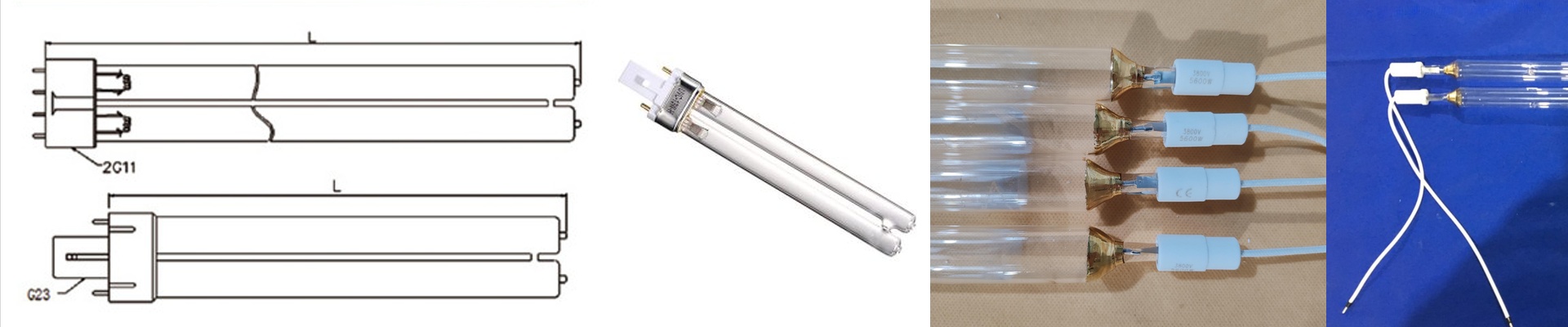
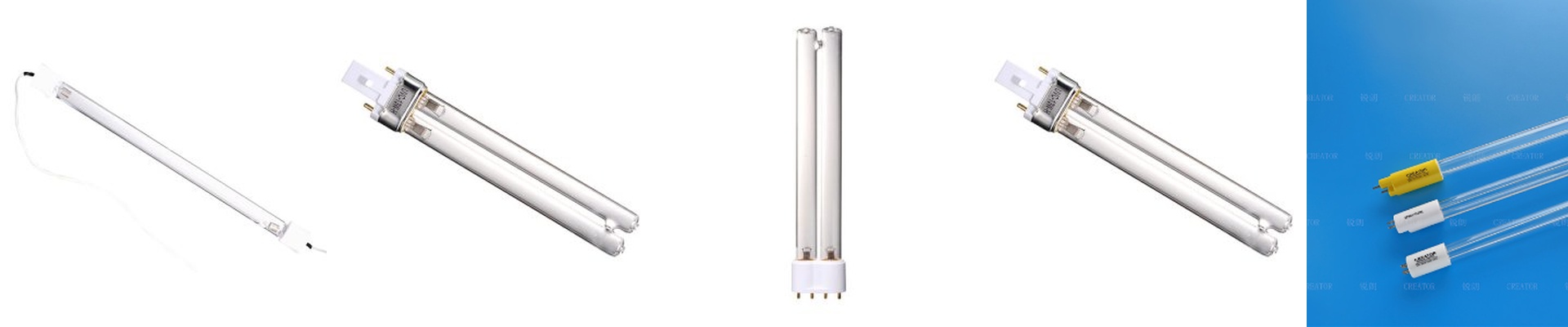
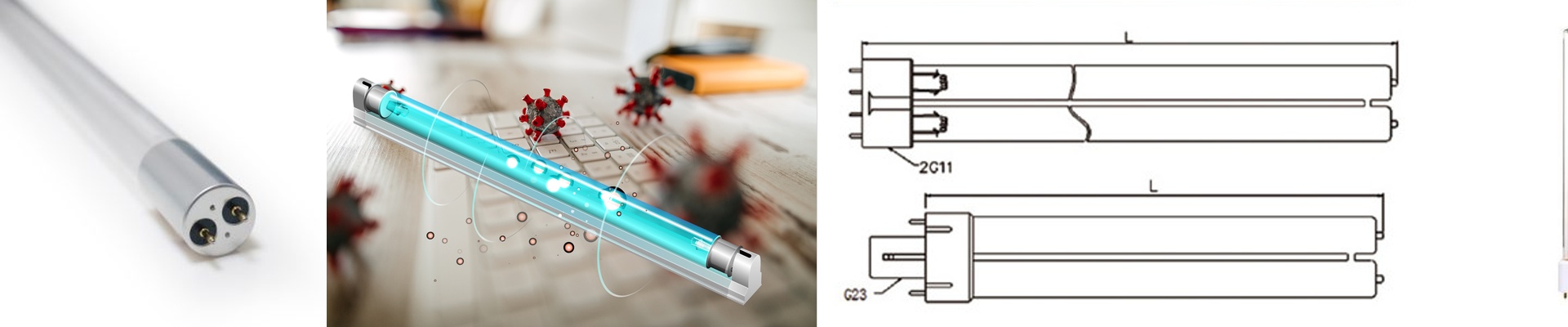
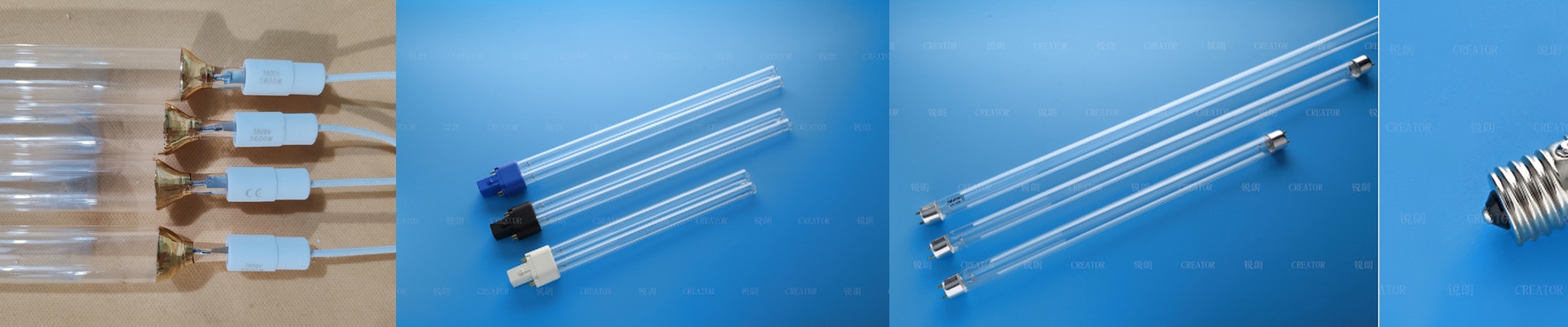
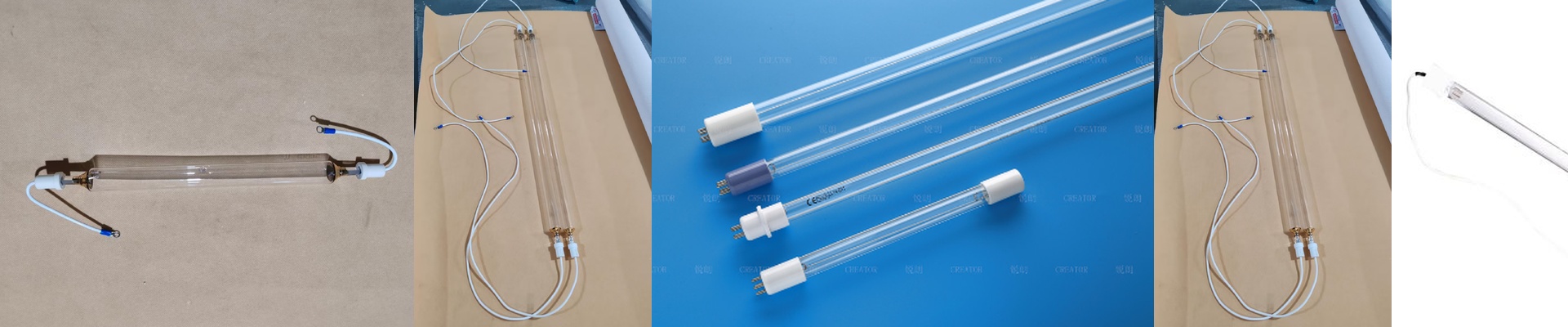
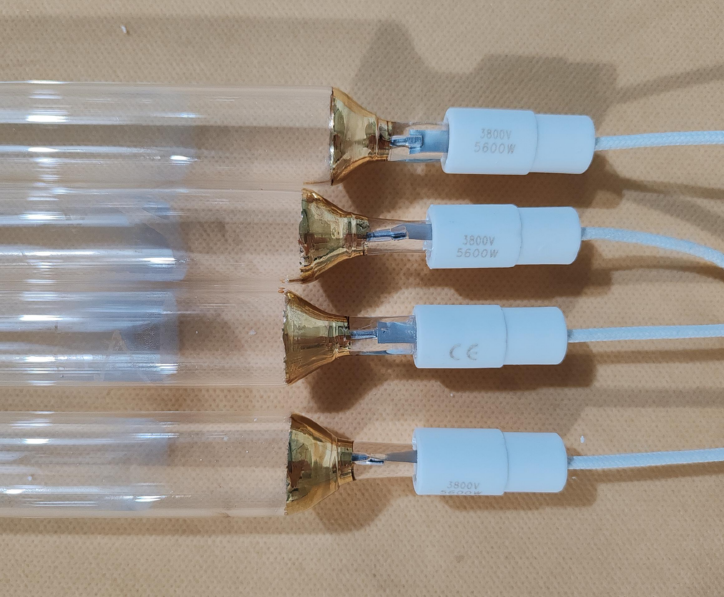
Most mercury UV bulbs you buy off the shelf are a bit of a gamble. They throw out a broad range of light, but for the really precise stuff, you can’t just “blast it” and hope for the best. You need the energy to hit very specific nanometer peaks. We spent a lot of time in R&D trying to fix this. Our goal was simple: get that spectral energy concentration variance down to 0.5%. Why does that actually matter? Well, mercury lamps emit light in lines. When that energy is scattered, you run into a frustrating problem called “skinning.” That’s when the surface looks dry and hard, but the base is still tacky. It’s a nightmare for quality control. To stop that, we messed around with the gas mixture and the shape of the electrodes. By keeping the internal pressure and temperature steady, we forced more energy into those primary UV peaks. Now, you get a consistent dose of power from one end of the tube to the other. No more guessing. The trade-off (because there’s always one) To hit that 0.5% window, we had to get really picky about the quartz envelope. We use high-purity fused quartz so the UV light doesn’t get absorbed before it even leaves the bulb. But here is the catch: concentrating all that energy creates more heat on the bulb’s surface. If your cooling fans are old or under-powered, the quartz will overheat. When that happens, the spectrum shifts and your lamp life plummets. Just make sure your airflow can handle the extra infrared heat that comes with a high-density arc. Putting them to work The best part? These are just drop-in replacements. You don’t need to rebuild your whole setup. We’ve gotten rid of the flicker and the output drift that you usually see with cheaper tubes. Once you wire these into your ballast, you’ll notice the cure cycles are shorter and the finish is just… stable. Look, we aren’t going to tell you these bulbs last forever. Mercury depletes. That’s just physics. But because we tightened the spectral focus, we’ve cut out the wasted energy that usually turns into useless heat. More power goes into the cure, and less goes into warming up the room.