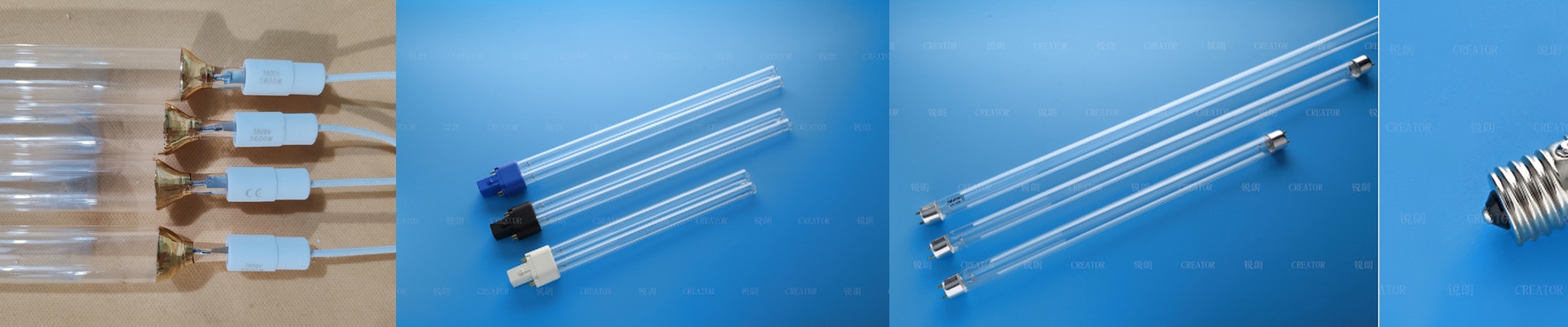
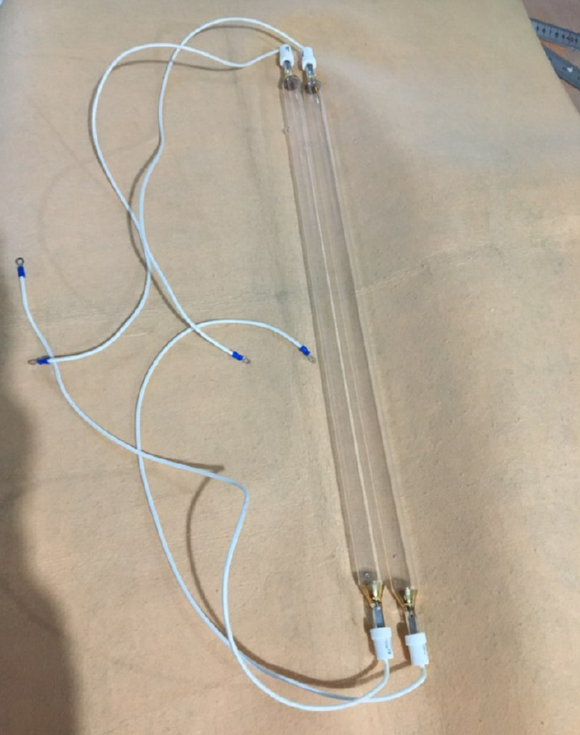
Let’s Talk About CE Certification for UV Curing Tubes
When we build our mercury UV curing tubes, we aren’t just making glass cylinders. We’re building tools for high-intensity photochemical reactions. These things run on high voltage and get incredibly hot. So, when you drop one of these into your production line, you’re really installing a high-energy electrical component. It’s a big deal.
It’s More Than Just a Stamp
A lot of people treat CE certification like a boring paperwork exercise. But for us? It’s about making sure your gear actually works without causing a headache. Here’s the thing: a UV tube that hasn’t been properly vetted can leak electrical noise right into your PLC systems. Or worse, it might just give up the ghost the moment you hit a voltage spike. We stick to strict EU safety standards because nobody wants to spend their Tuesday afternoon dealing with a blown ballast or a tripped breaker in the middle of a shift.
The Secret to Making Them Last
If you want a tube that doesn’t die early, you have to be obsessive about the details. We’re talking about the exact mix of quartz and the chemistry of the electrodes. We spend a lot of time obsessing over the gas mixture and the purity of the mercury. Why? Because that’s how you keep the UV output steady for thousands of hours. If you use low-grade quartz or the seal is slightly off, the intensity drops off a cliff. It’s that simple.
The Reality of the Global Market
If you’re selling into high-end markets, “good enough” doesn’t cut it. Clients want to know—with actual proof—that the equipment isn’t going to start a fire or mess with the machinery sitting next to it. That’s where CE certification comes in. It’s the baseline. Without it, you’re basically locked out of any automated curing systems headed for Europe or North America.
The Trade-off
Now, let’s be honest. Meeting these standards means we can’t cut corners. We can’t use the cheap stuff. That means the price per unit is a bit higher. You’ll pay more upfront for a certified tube. But compare that to the cost of a catastrophic failure on the shop floor—the downtime, the stress, the liability—and the choice becomes pretty easy.