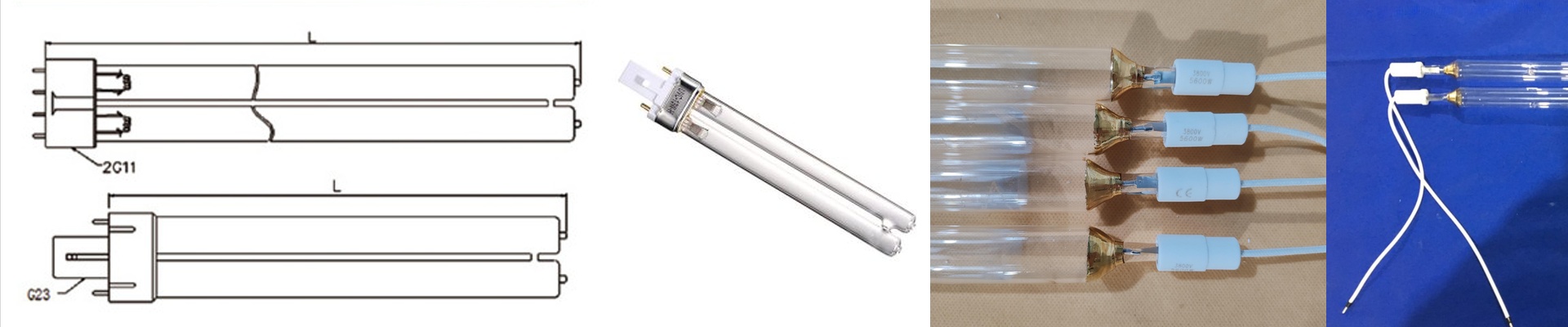
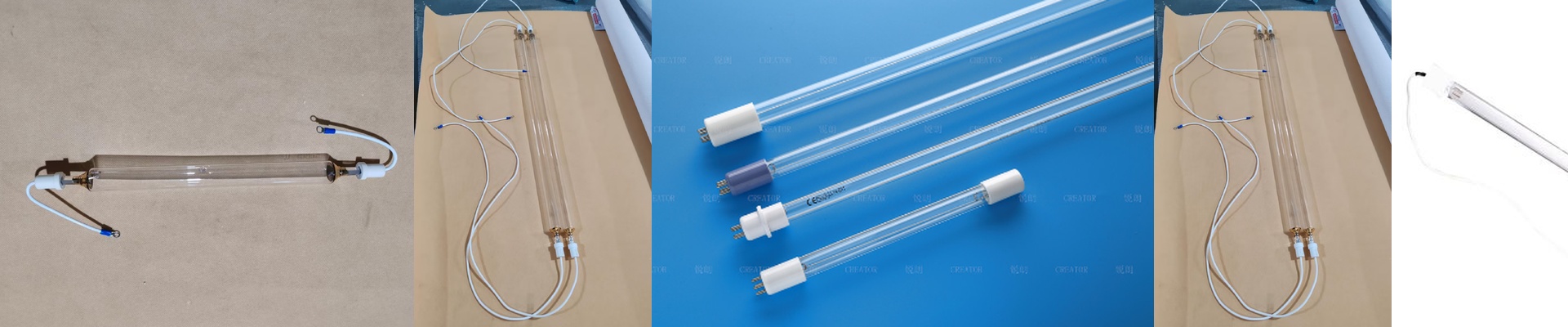
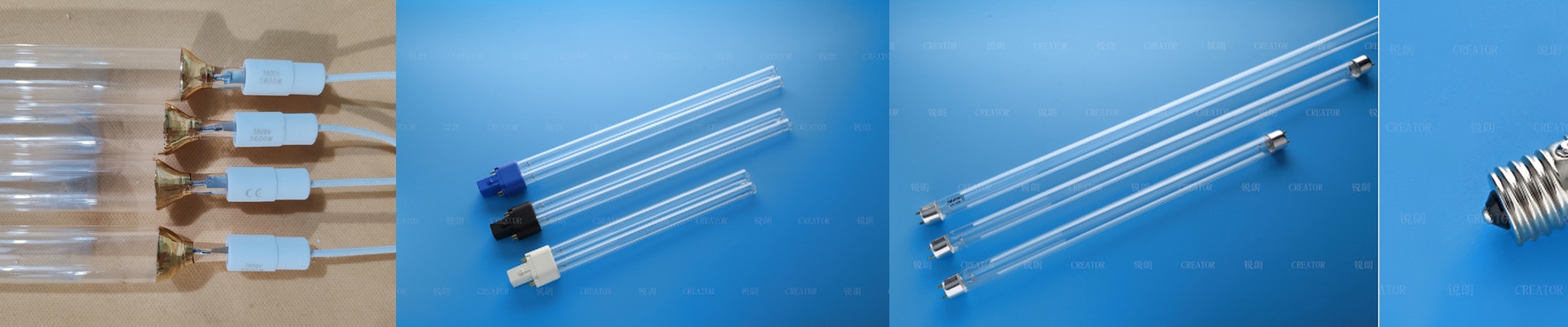
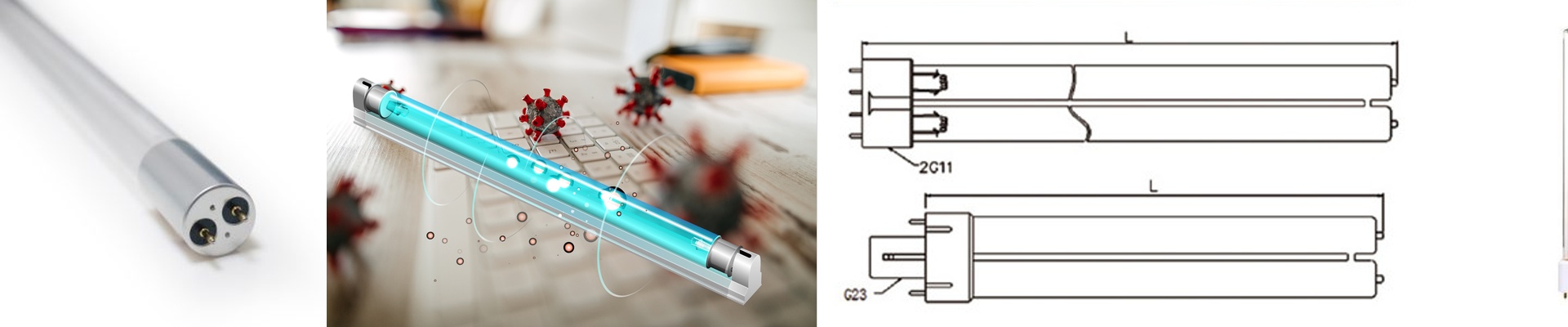
Making UV Curing Lamps That Actually Last
We spent some time at the 2026 Printing Exhibition, and it was pretty clear what people were struggling with. Most shop owners are tired of the same old headaches: tubes burning out way too fast and curing speeds that jump all over the place. We aren’t interested in selling some generic, off-the-shelf bulb. We build modules designed for one thing: getting high-speed ink to set perfectly every single time.
Why most lamps die (and how we fix it)
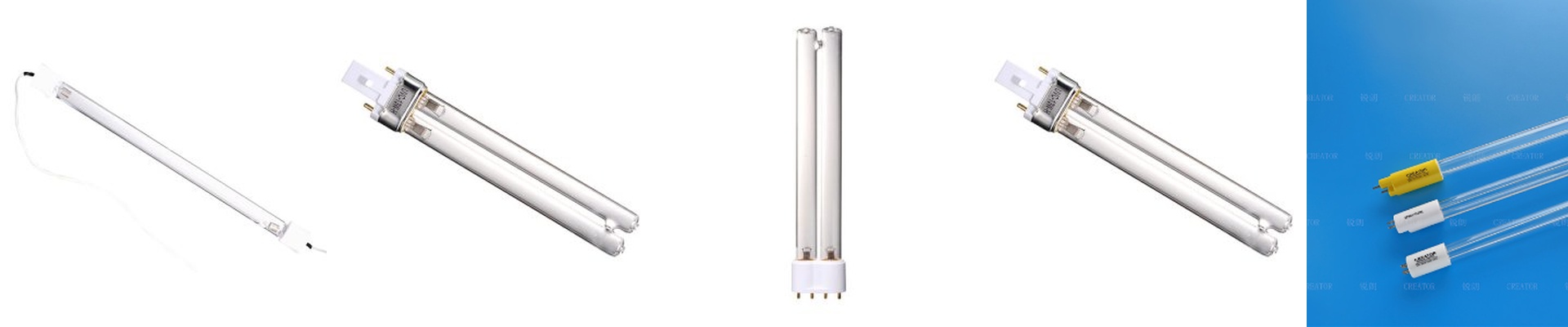
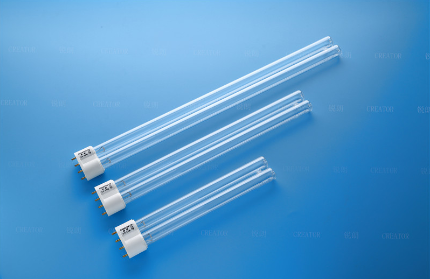
Usually, mercury UV tubes give up the ghost because the electrodes wear out or the quartz glass starts to “solarize”—which is just a fancy way of saying the glass gets cloudy. We tackle this by dialing in the mercury vapor pressure and using high-purity fused quartz. It keeps the glass clear. More importantly, it keeps the UV output steady from one end of the tube to the other. You won’t have to slow down your conveyor belt just because you’ve got “dead spots” in your curing zone.That’s a huge win for your hourly output.
Fitting them into your setup
A tube by itself is only half the story. We package our lamps with the right reflectors and cooling mounts so they actually work in the real world. We know your floor space is precious. That’s why we make these as drop-in replacements. You swap the old rig out, slide these in, and you’re back in business without spending a whole day on maintenance. But here’s the thing: these things get hot. Like, really hot. High-intensity mercury discharge pumps out a massive amount of infrared energy. If your fans or water jackets aren’t up to the task, you’ll end up cooking your substrates or killing the lamp’s lifespan. We give you all the thermal data upfront so you can get the cooling right from day one.
Getting that “tack-free” finish
In a high-volume shop, there’s only one thing that matters: is the ink dry? Our tubes hit those 254nm and 365nm peaks hard. This means the light penetrates deep into thick ink layers, so you don’t have to mess around with secondary curing stages. You load the ink, hit the switch, and the product comes off the line fully cured. Simple. No chemistry degree required—just a solid piece of gear that does its job.