Why We Obsess Over 0.5% Spectral Concentration
Most wholesale UV lamps just throw a wide net of light. They give you a broad output, but if you’re doing high-precision curing or sterilization, most of that energy is just… wasted. We spent our R&D time trying to tighten that window. We aimed for a 0.5% variance. This isn’t some marketing buzzword. It’s about photon density. It’s about putting the energy exactly where it needs to be.
Dealing with the “Drift”
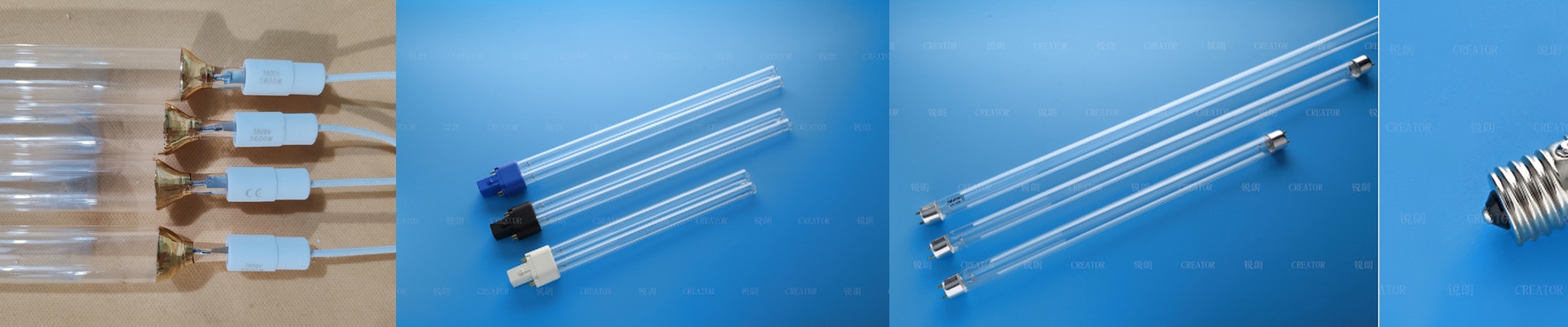
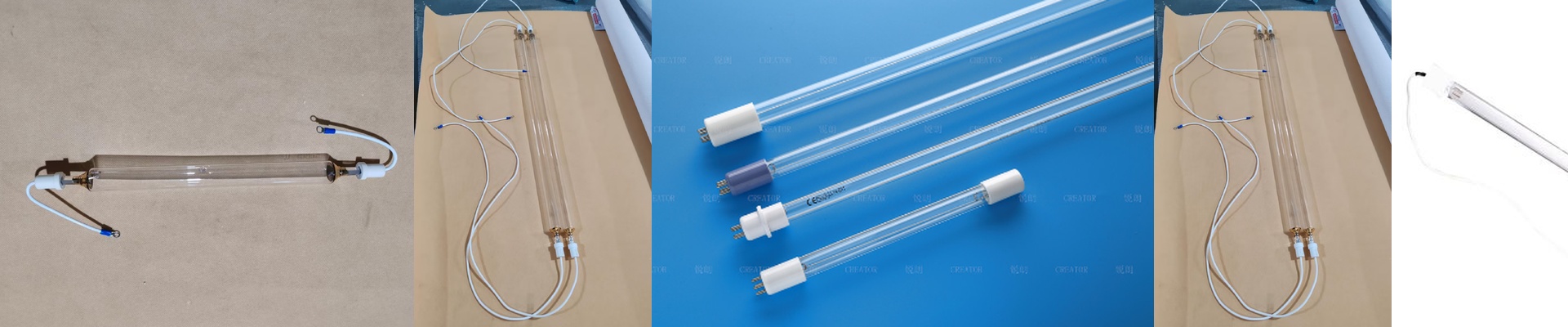
Hitting that 0.5% mark is a nightmare if your arc discharge isn’t stable. If the gas pressure fluctuates or the electrodes wear down, the peak wavelength shifts. It’s that simple. To stop this, we use high-purity quartz tubing. Why? Because cheap quartz “solarizes.” It degrades. If the impurities are too high, the lamp actually starts absorbing its own UV-C output. You’re paying for power that never even reaches your product. That’s a quick way to kill your throughput.
The Hardware Headache
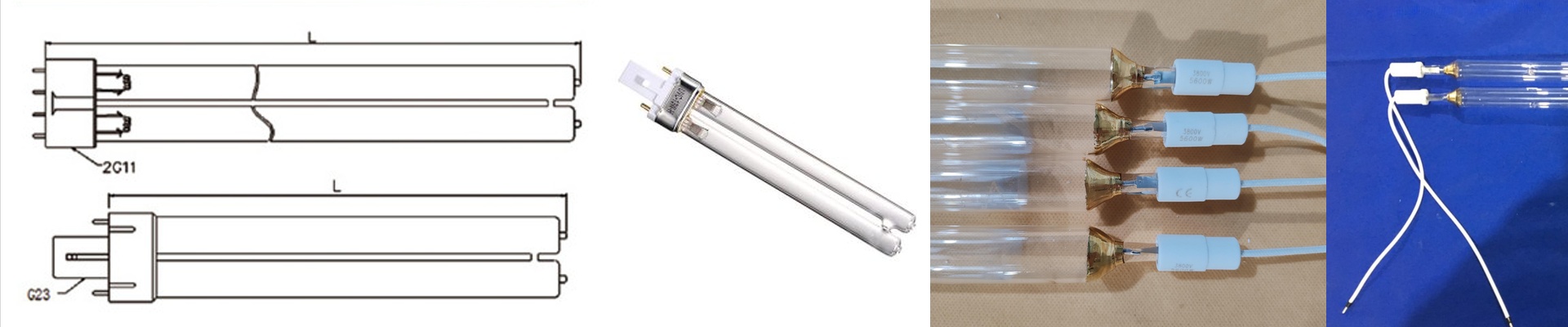
You can’t get this kind of precision with “close enough” parts. We have to spec our electrodes down to the micron. If the arc wanders—even a tiny bit—your energy distribution gets messy. You end up with hot spots and dead zones across your substrate. But here’s the catch. When you concentrate energy like this, the ends of the lamp gethot. Really hot. You can’t just stick these in a sealed box and hope for the best. You need forced-air cooling. If your cooling system can’t handle the heat flux, your electrodes are going to burn out way faster than they should.
Why Bother?
If you’re an engineer, this is where it gets good. A 0.5% concentration means you can actually predict how a photo-initiator will react. You can stop guessing your conveyor speed. You just wire it up, set the intensity, and you get the same consistent cure every single time. No more under-cured batches. No more scorched surfaces. We built these for the lines where a 1% shift in wavelength means the whole shipment gets rejected.