UV Sterilization: It’s More Than Just Curing
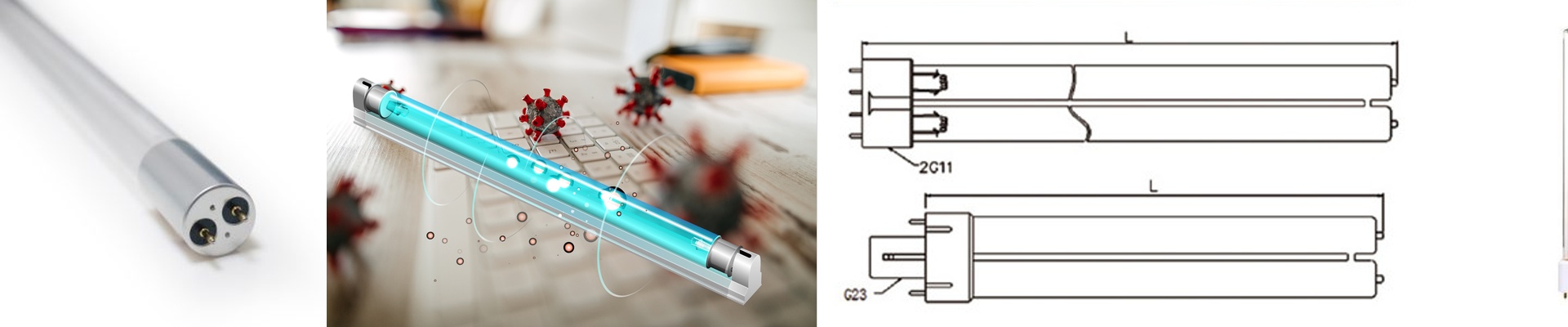
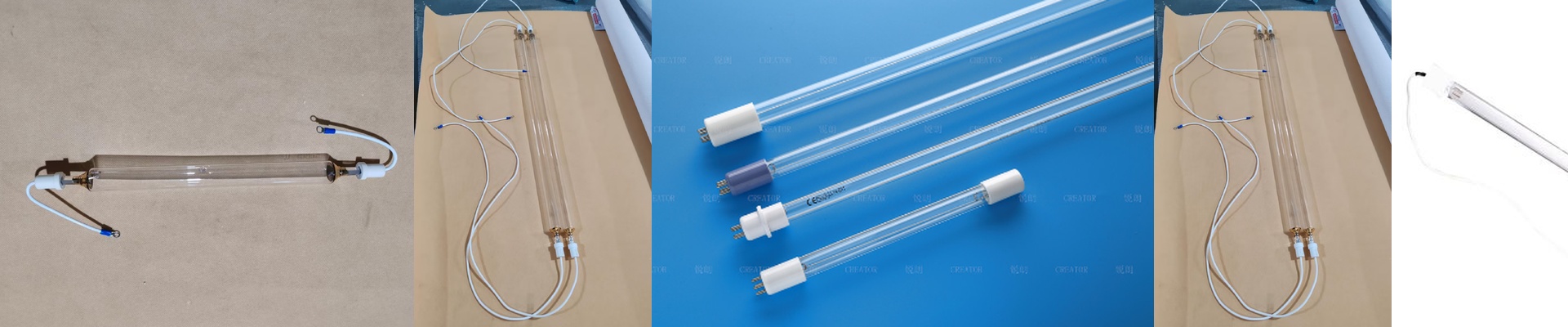
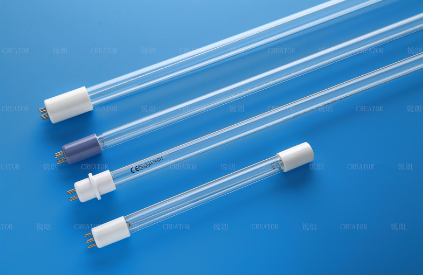
Most people see a UV lamp and think “curing.” But we’ve moved way beyond that. These days, sterilization isn’t just some extra piece of gear you tack onto the end of a line. It’s a part of the machine. We’ve spent a lot of time figuring out how to hit those exact germicidal wavelengths without torching your electricity budget.
Cutting the Power Bill
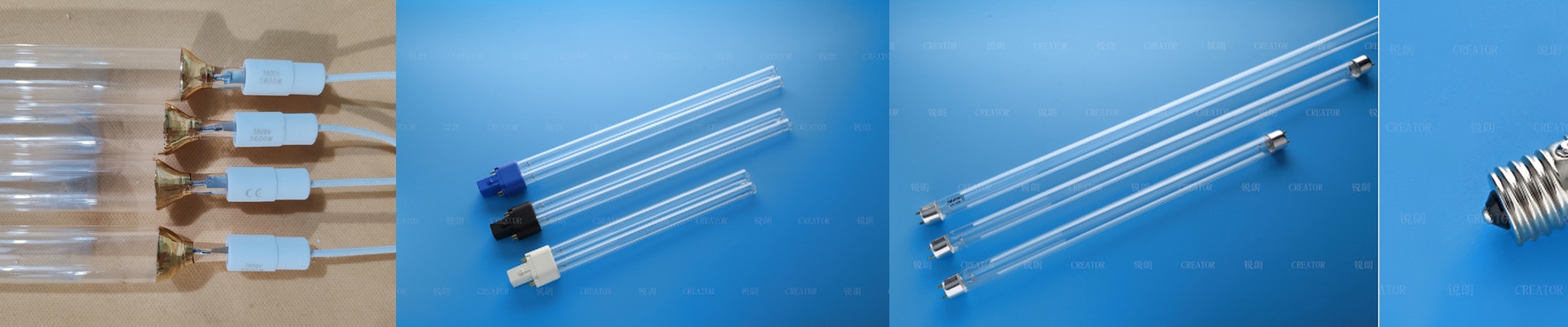
Here’s the thing about UV systems: you usually pay for a lot of heat you don’t actually want. We focus on the 254nm UVC peak. By tweaking the mercury vapor pressure and the thickness of the quartz, we make sure more photons actually hit the product and fewer turn into wasted infrared heat. It’s a win-win. You get the sterilization you need, and your facility’s cooling system doesn’t have to work overtime to fight the heat.
Gear That Actually Lasts
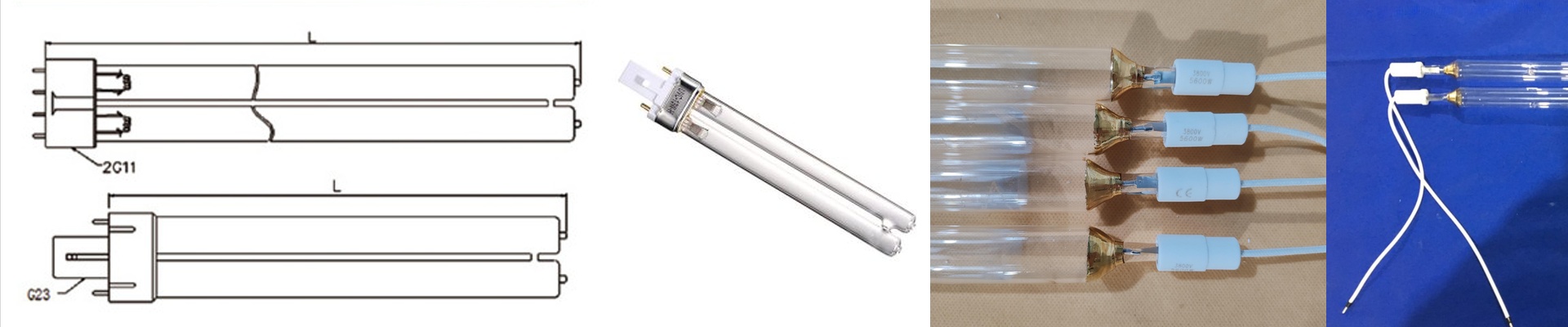
Factories are rough on equipment. We know that. That’s why we build these housings to handle chemical splashes and constant cycling without falling apart. We use reinforced connectors because nobody has time to deal with arc-overs or flickering power. And if you’re plugging this into a PLC? It’s fast. No annoying warm-up lag. You flip the switch, and it’s on.
The Honest Truth About Safety
Now, let’s talk about the trade-offs. High-intensity UV-C is powerful. That means you can’t cut corners on the enclosure. While the energy savings are great, the intensity is no joke. If a sensor fails, your team’s skin and eyes are at risk. Don’t skip the safety interlocks. We always suggest adding fail-safe shutters to keep your operators safe. The payoff is that you can keep your footprint small on the shop floor while still moving your product through the line at high speeds. It just works.