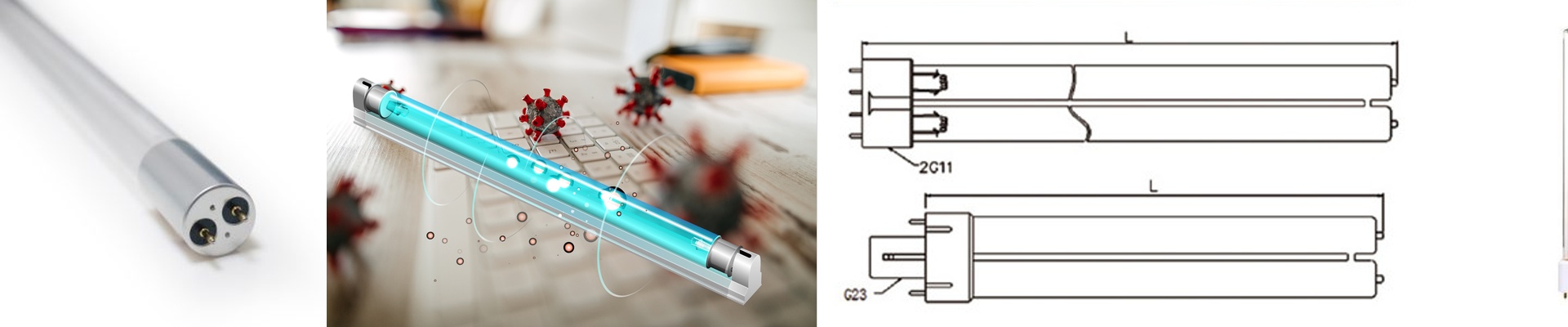
Getting Your UV Curing Right for 2026
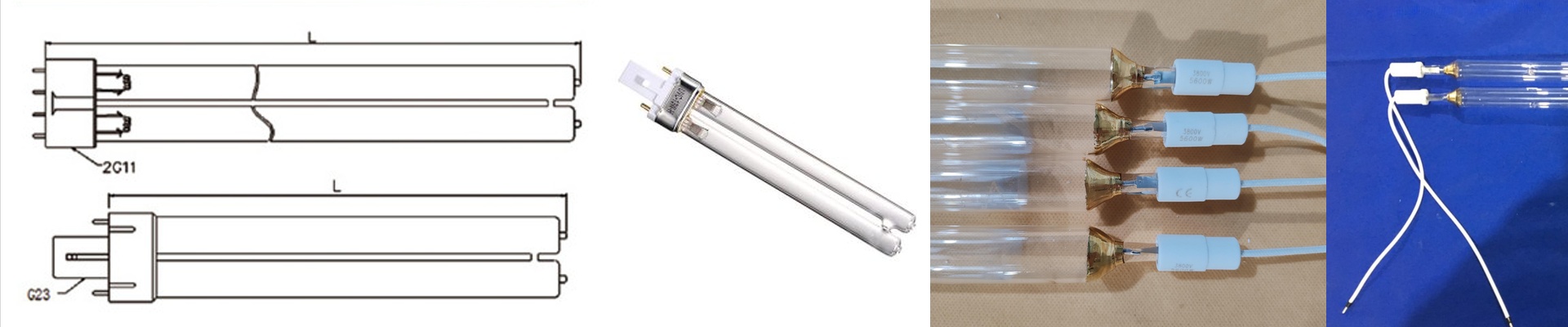
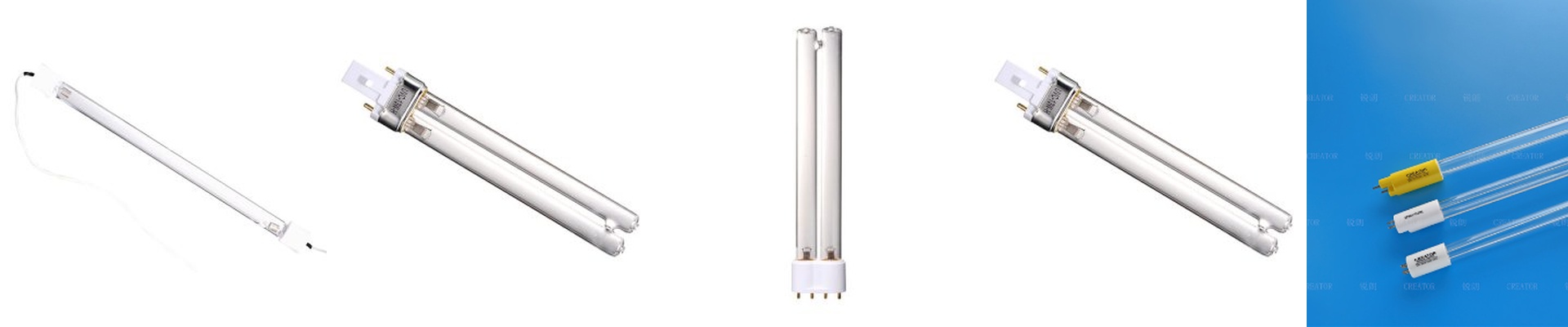
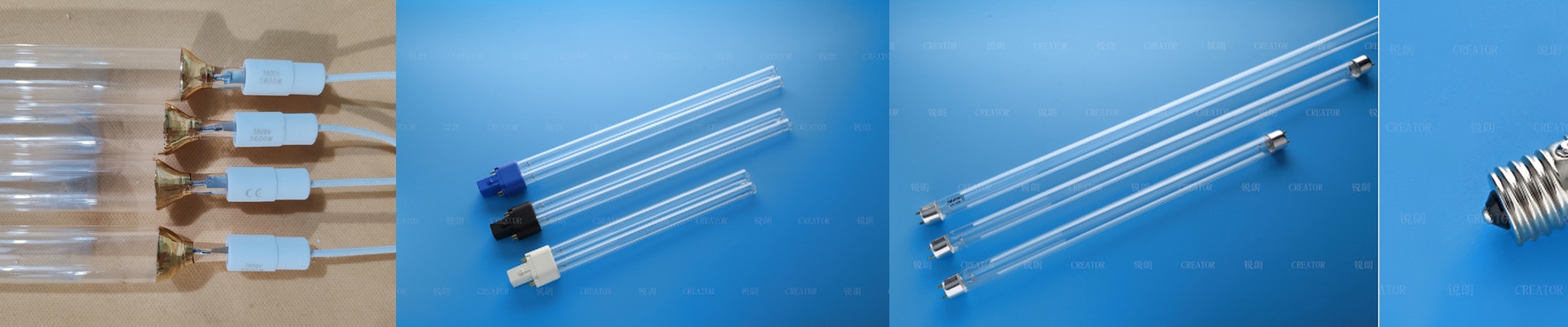
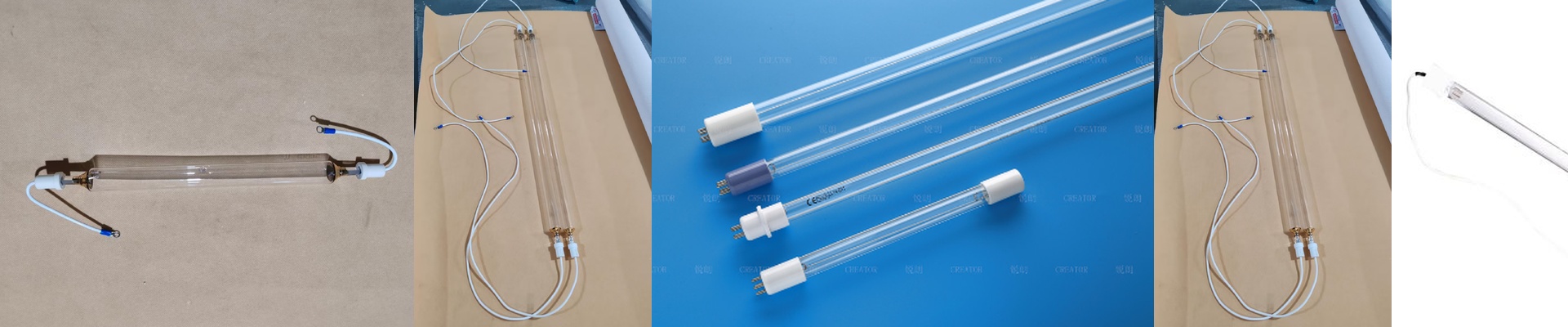
Let’s be honest: off-the-shelf UV bulbs are usually a headache. They rarely fit the actual footprint of a high-speed press, leaving you to make do with “close enough.” We don’t do “close enough.” At the 2026 expo, we aren’t talking about general lighting. We’re talking about the grit and precision it takes to make ink polymerize the second it hits the substrate. The battle with line speed Here is the thing: if your wattage doesn’t match your line speed, your cure rate falls apart. It’s that simple. If you’re running PET or textiles at high speeds, a standard lamp just can’t keep up. That’s why we tweak the tube length and voltage for every job. You want the UV intensity to be dead-even across the whole web. Nobody wants to deal with “streaking”—where the middle is baked hard but the edges are still tacky and smudging. It’s a nightmare to fix after the fact. Making it fit (without the headache) We use reinforced quartz glass because rapid cycling is brutal on equipment. Thermal shock is real, and it breaks cheap glass. But the best part? These are drop-in replacements. We match your existing housing and connectors exactly. You can just slide them in and go. No need to rip open your cabinets or spend a weekend rewiring everything. But a word of caution: pushing more power into a small space creates a lot of heat. If your exhaust fans and cooling manifolds aren’t up to the task, you’re going to warp your material. It’s a trade-off. More power is great, but you’ve got to move that heat away fast. Built for the factory floor Whether you need UVC to snap-cure the surface or UVA to get deep into the ink, we dial in the wavelength to get that perfect, scratch-resistant finish. These modules are built to take a beating. We know your shop runs 24/7, and the last thing you want is to kill production just to swap a bulb. We focus heavily on electrode longevity so you can keep the presses rolling and the downtime low.