Why your UV lamps aren’t actually doing their job
We’ve spent time auditing about 3,000 printing plants, and we noticed something frustrating. There is a massive gap between what the spec sheet says a UV lamp should do and what actually happens on the shop floor. Most places are just burning electricity for nothing because of bad heat management or wavelengths that don’t actually match the job. That’s why we stopped chasing raw wattage. Instead, we started focusing on irradiance density. Basically, it’s about putting the power exactly where it needs to be.
The logic behind the power
Here is the thing about high-speed printing: if your voltage dips, you get “cold spots.” You end up with some areas that are cured and others that are… well, not. It’s a nightmare. We build our systems to keep the arc temperature steady. This means you get a consistent UV-C blast across the entire width of your material. No guessing games. And look, more power isn’t always the answer. If a lamp runs too hot, you’ll start scorching your paper or warping your PET. We’ve dialed in the power density so you get a clean cure or a sterile surface without ruining the material itself.
The hardware side of things
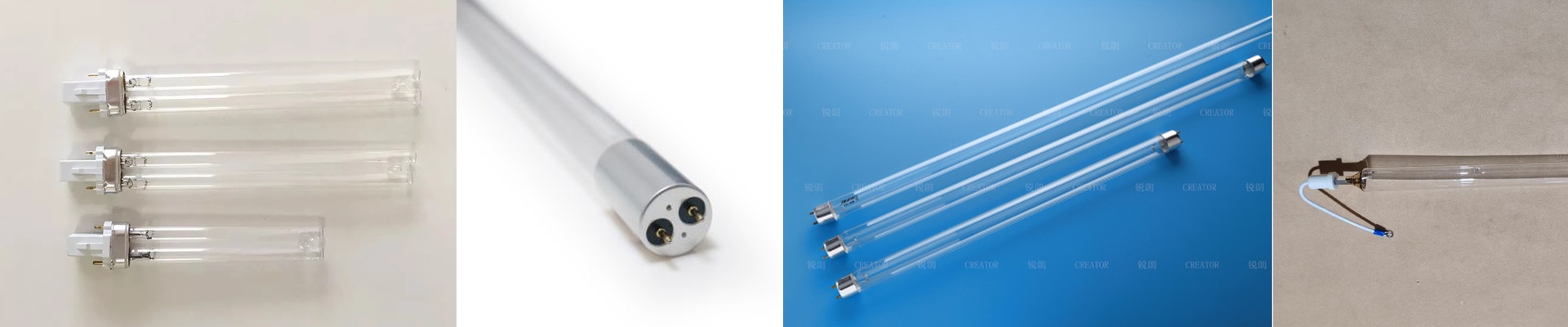
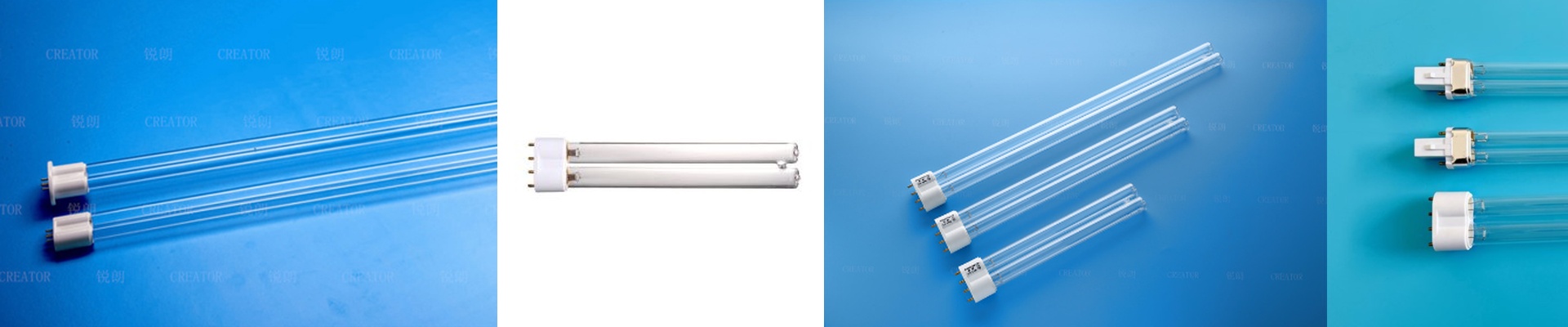
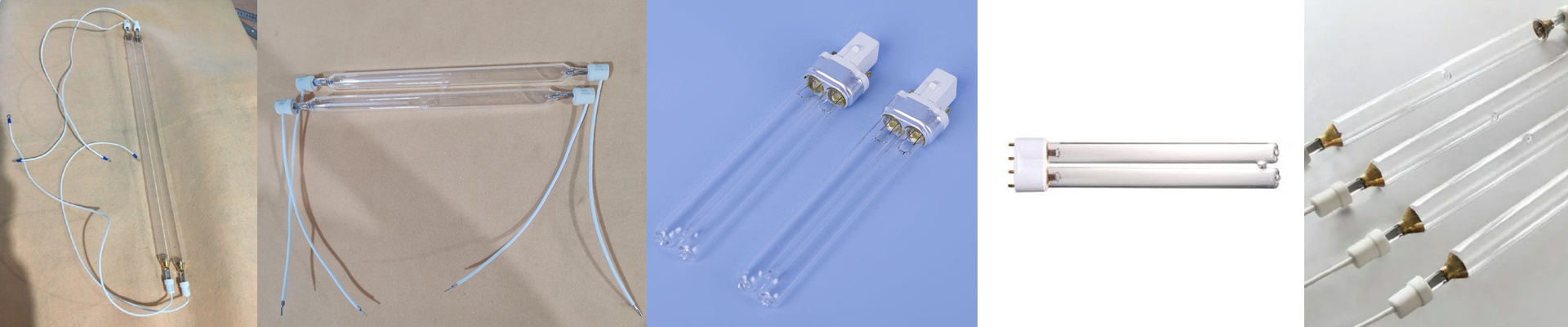
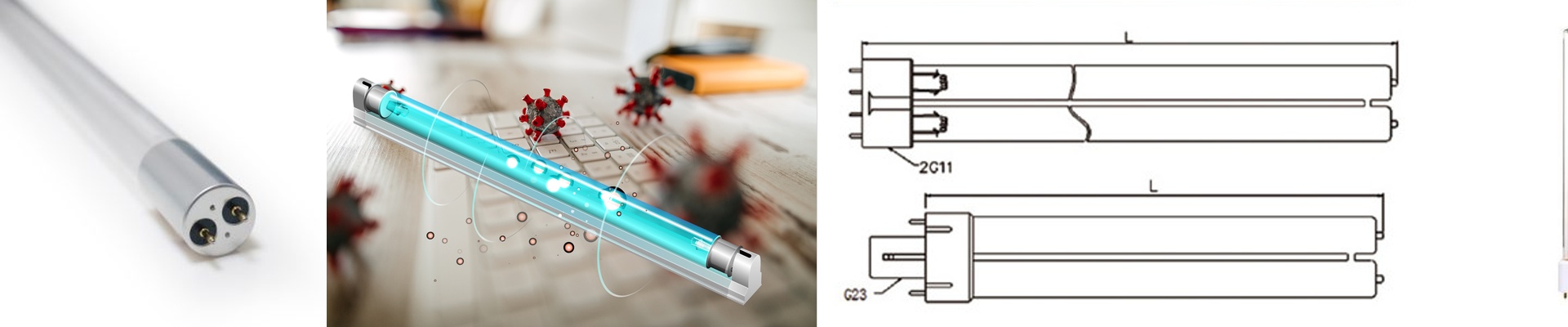
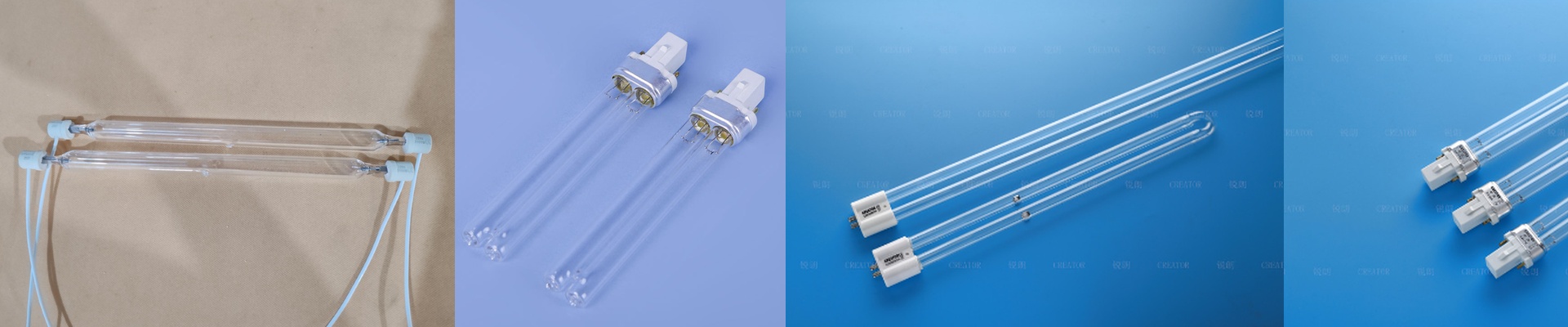
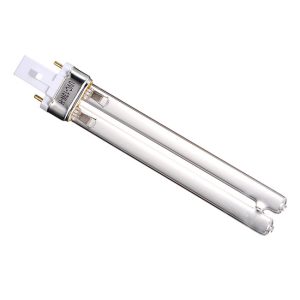
We use high-purity fused quartz for the envelopes. Why? Because it lets the UV-C go through without fighting it, and it doesn’t crack when you cycle the power on and off quickly. As for the connectors, we keep them standard. We hate custom wiring as much as you do. These are designed to be drop-in replacements. You just plug them in and get back to work. Plus, we added reflective aluminum housings. Think of it like a mirror for photons—it bounces the stray light back onto the target. You get more punch without pulling more current from your panel.
The catch
There is a trade-off, though. Because these systems run so lean and precise, you can’t slack on the cooling. If your fans are clogged or your airflow is blocked, the lamps are going to burn out way too fast. It’s a simple rule: if you don’t manage the heat, you lose the lifespan of the tubes. Keep them cool, and they’ll last.