Stop Guessing With Your UV Lamp Replacements
Here is the truth about replacing a UV lamp: it’s not as simple as finding one that fits the slot. If you just match the length and call it a day, you’re asking for trouble. You might end up with a surface that’s still tacky to the touch, or worse, you could actually scorch your product. We build custom lamps that hit the same power levels as the big-name brands, but without the corporate markup.
Getting the Power Right
It all comes down to the gas mix and the quartz. If the wattage-per-centimeter is off, you’re in a lose-lose situation. Either the bulb burns out way too fast, or your resin just won’t cure. We spend our time calibrating the power density so the light actually reaches the bottom of your coating. Now, high-wattage tubes are great because they let you speed up your line. But keep in mind, that puts a lot more pressure on your ballasts. Just double-check that your power supply can handle the draw so you don’t fry your transformers.
The Glass Matters
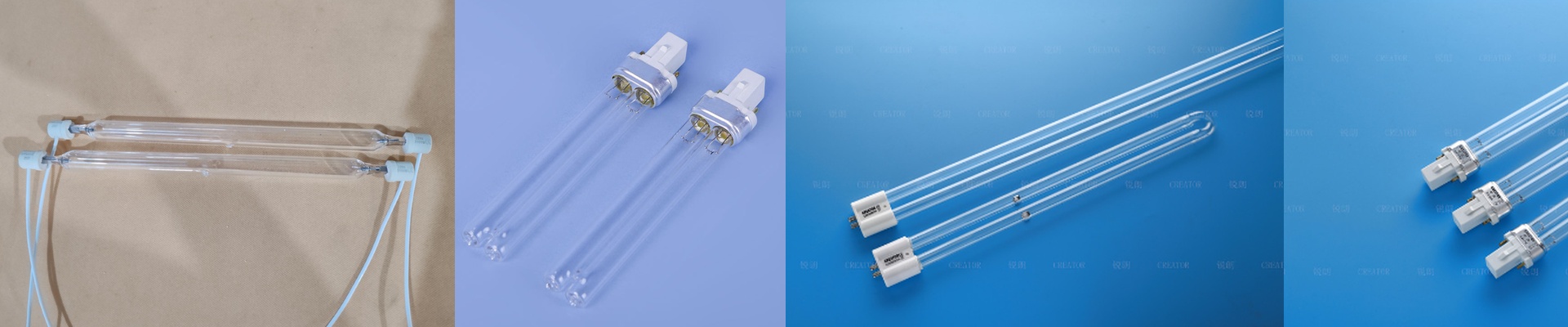
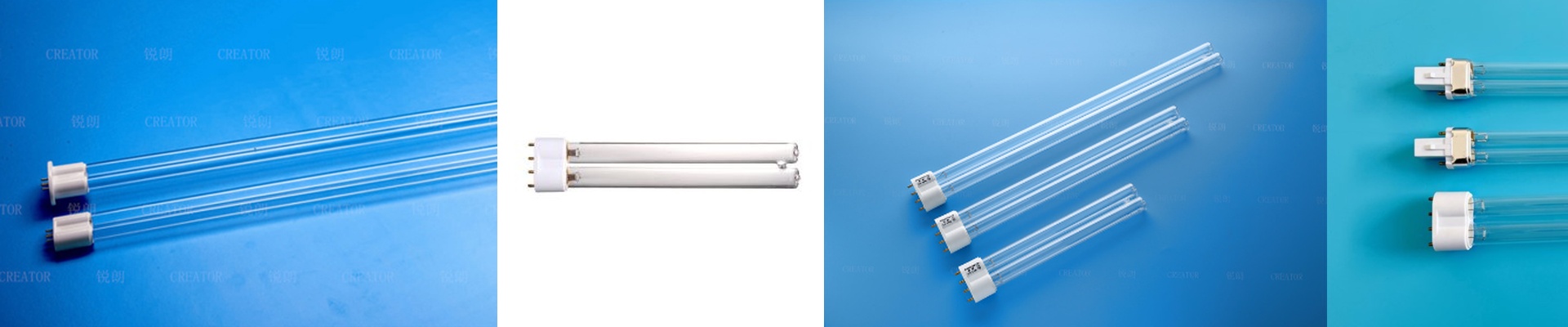
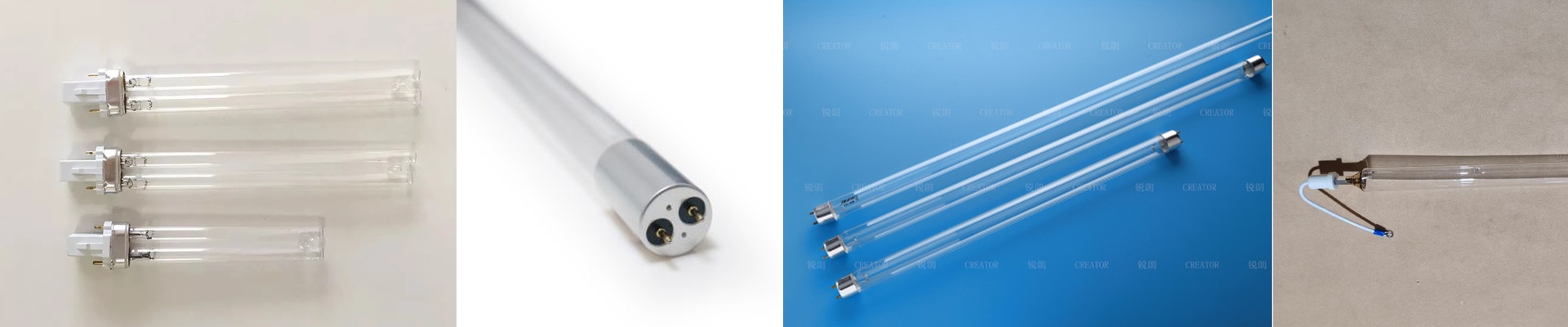
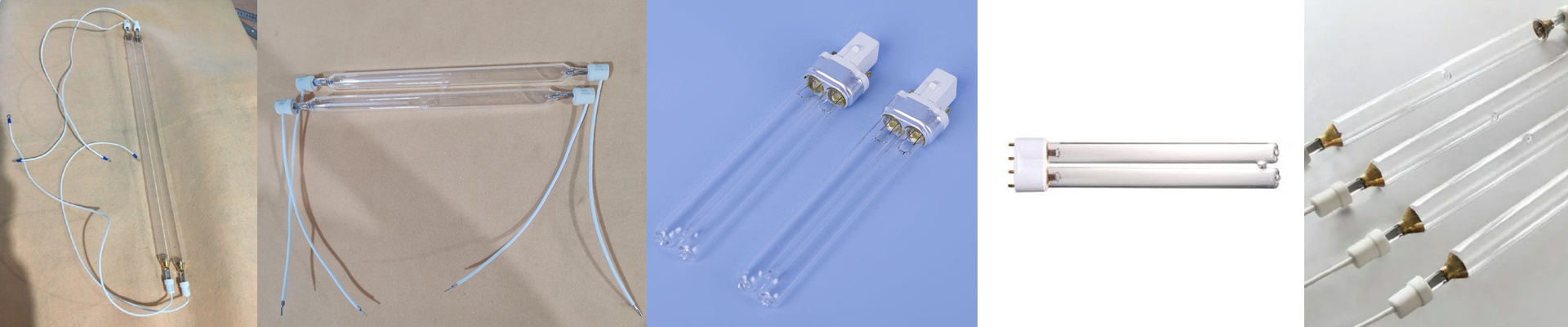
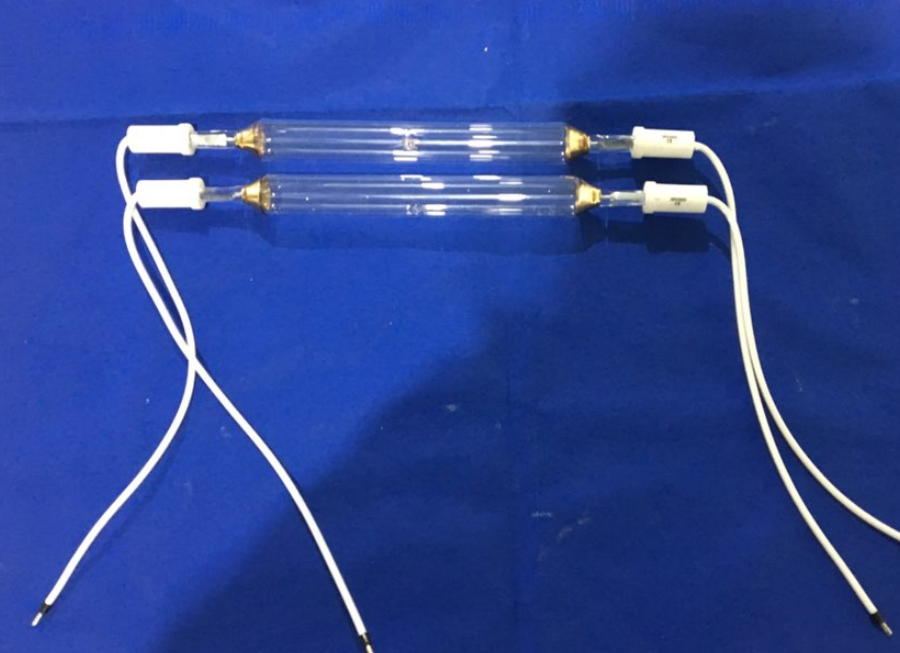
We use high-purity fused quartz. Why? Because cheap glass blocks the exact wavelengths you need to get the job done. If you’re working in a high-heat environment, we can use doped quartz to shift the spectrum. It’s a lifesaver if you’re worried about your substrate warping under the heat. The best part is that these are drop-in replacements. They slide right into your existing reflectors, so you don’t have to spend your afternoon rewiring the housing.
Does it actually work?
Curing is pretty simple: it’s either hard or it isn’t. There’s no middle ground. We don’t guess. We use a radiometer to measure the mW/cm² and compare our lamps directly against the industry leaders. If our lamp doesn’t hit the same speed as the expensive brands, we’ll give you your money back. Simple as that. One quick heads-up, though. When you crank up the intensity, you get more heat and more ozone. Just make sure your exhaust fans are moving enough air to keep the chamber cool.