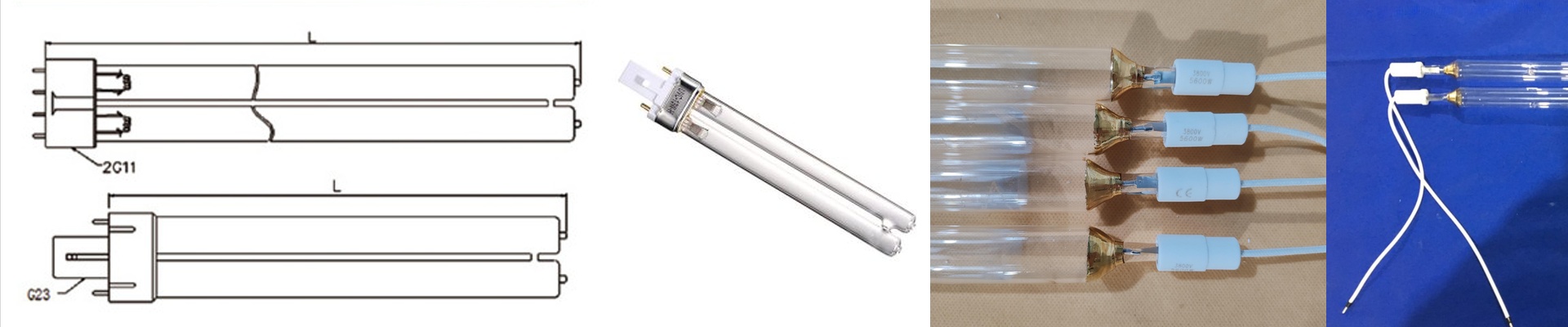
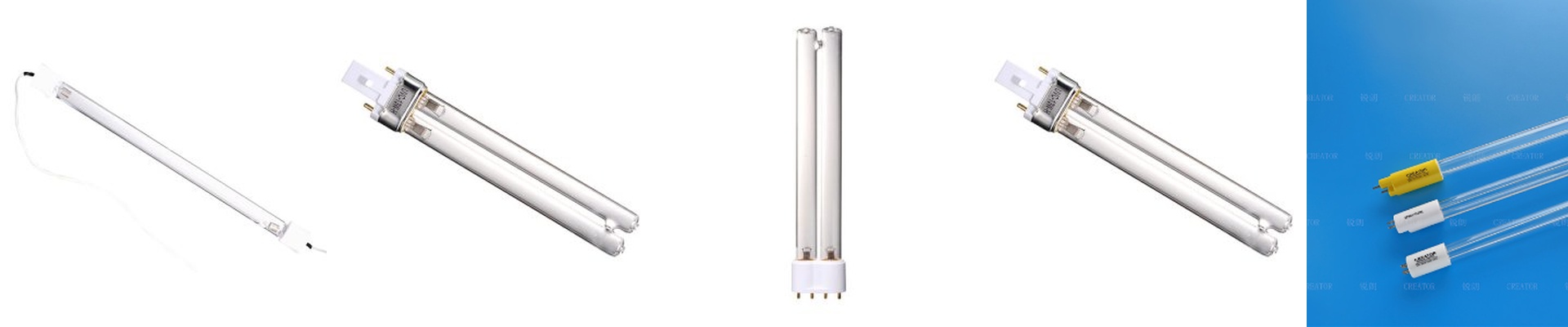
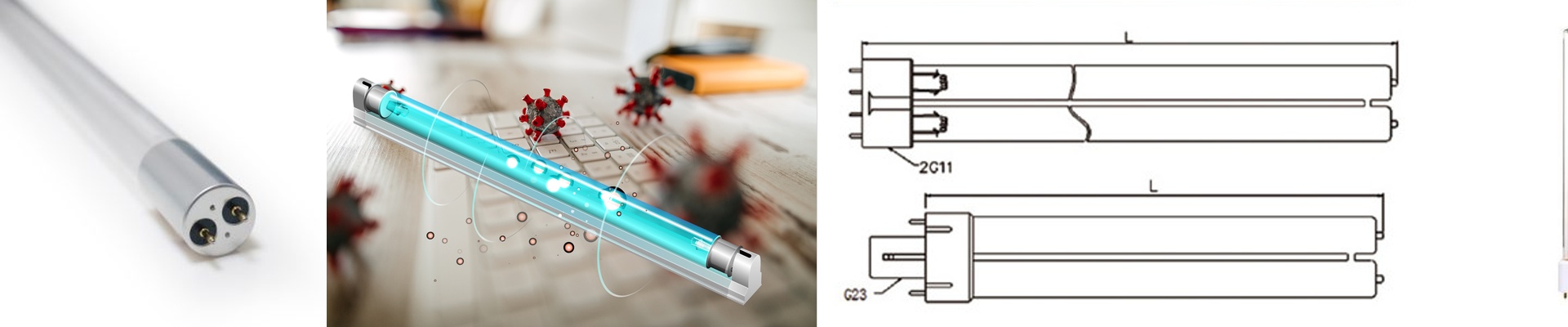
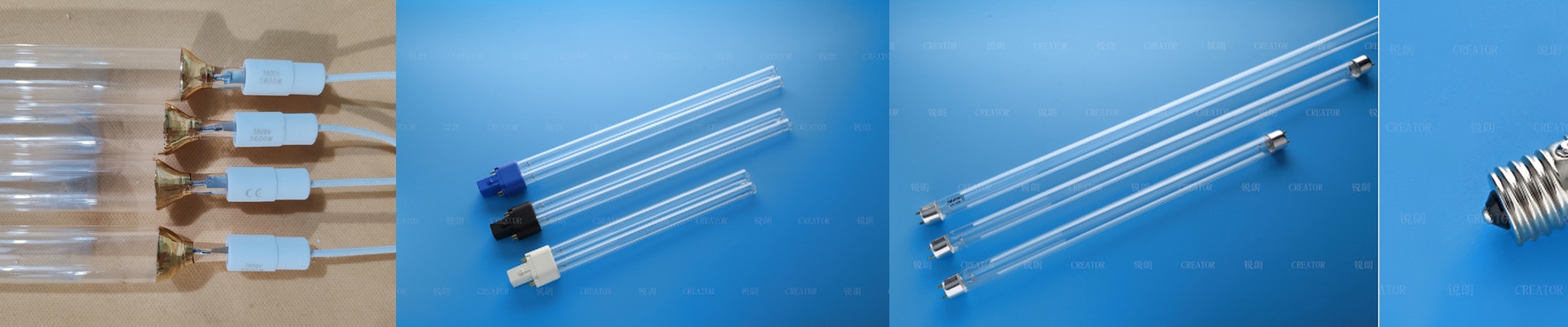
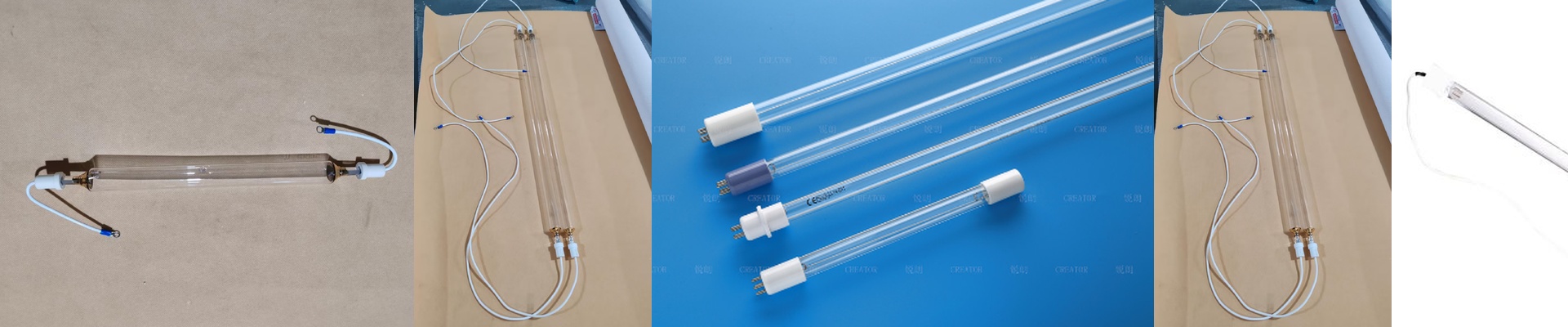
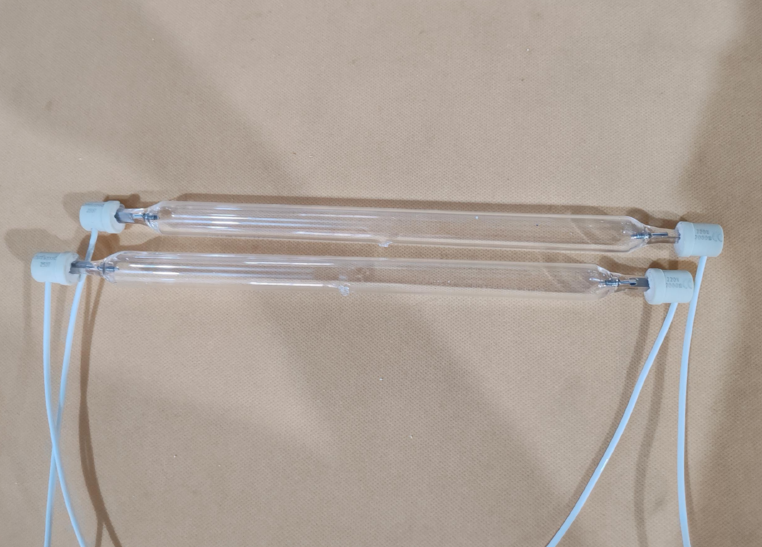
On the shoe disinfection line, the UV lamps are dying young. The blackening at the ends? That’s not just cosmetic. It’s electrode erosion and a clear end-of-life signal. Most of the time, it comes down to two operational mistakes: too many start-stop cycles, or a ballast that doesn’t match the lamp. What matters, technically A standard high-pressure mercury vapor lamp needs a precise ignition voltage and a stable operating current. If the ballast’s open-circuit voltage is too low, the lamp keeps striking but can’t hold the arc. That drives destructive sputtering of the emissive coating. On the other side, an over-matched ballast pushes the lamp past its rated wattage, and the electrodes wear out faster. Our UVC lamps are built for a specific spectral output at 254nm, with a controlled warm-up curve so germicidal intensity stays stable. Why it holds up in this application On a shoe disinfection line, you can’t compromise on consistent UVC intensity—pathogen kill depends on it. Match the lamp to a compatible electronic ballast, and the arc stays steady, which cuts down the on/off stress that causes end blackening. That translates into longer lamp life. Units run 5,000+ hours with under 5% output drop, and disinfection cycles stay predictable. Fewer replacements, less downtime, and throughput you can count on. A few shop-floor reminders Electronic ballasts are the right call for high-cycle use, but they have to be set for the exact lamp wattage and ignition profile. Always double-check compatibility with the lamp’s pin configuration and voltage. And don’t overlook airflow. Ambient airflow changes lamp temperature, so the fixture needs to manage heat properly and keep the arc tube in its optimal operating window.