
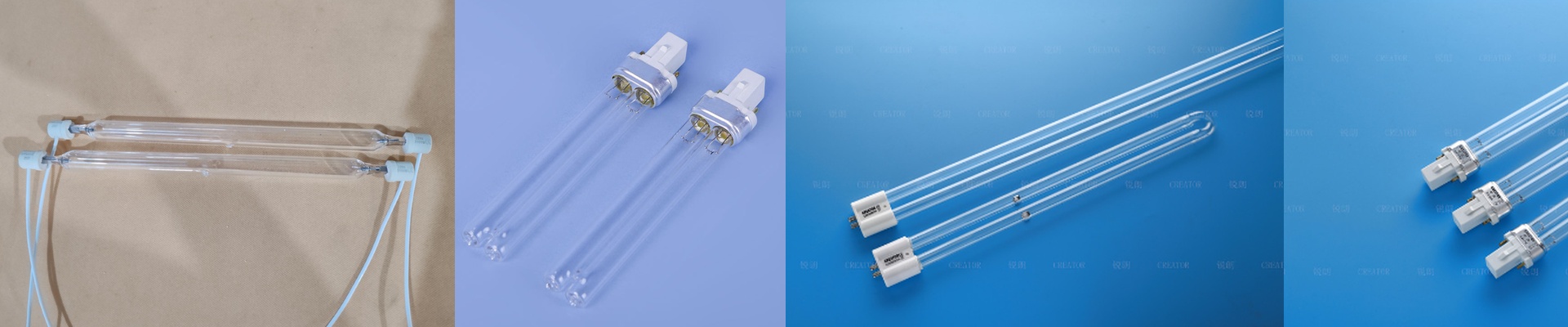


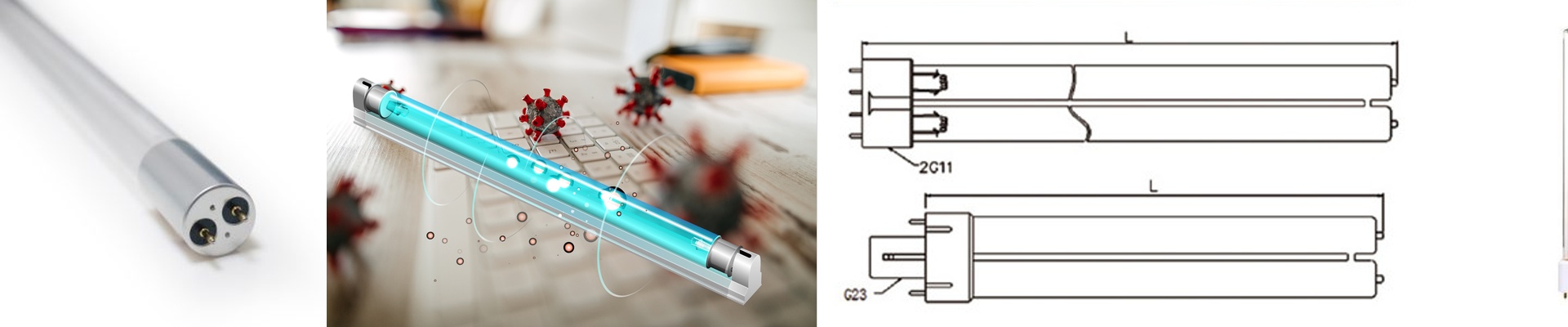
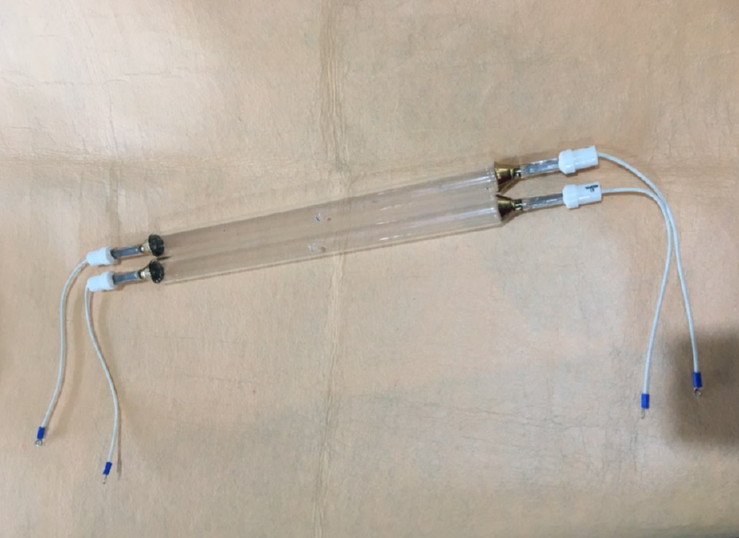
Getting Your Gallium Iodide UV Lamps Ready to Ship—Fast
If you’re doing high-intensity curing or photolithography, you know the struggle. Standard mercury lamps just don’t always hit the mark when you need surgical precision with your UV wavelengths. That’s where our Gallium Iodide (GaI) lamps come in. We tune these to hit that sweet spot between 250nm and 350nm, depending on exactly what your project needs. The balancing act: Power vs. Life Here’s the thing about power density. If we cram more wattage into a shorter quartz tube, you get a massive jump in irradiance. Your curing happens faster. It’s great for throughput. But there’s a catch. You have to make sure your ballast is playing nice with the lamp’s voltage. If you try to cheat the system by pushing the current too high just to get more light, you’re going to fry your electrodes. It’s a simple trade-off: do you want raw speed, or do you want the lamp to actually last? Keeping it cool (and clear) We don’t mess around with the glass. We use high-purity synthetic quartz because any tiny impurity in the material acts like a wall, blocking the UV light from getting out. Then there’s the heat. Gallium iodide is picky. If your cooling system isn’t pulling heat away from the tube fast enough, the spectral output starts to drift. To stop that—and to make sure you aren’t losing precious gas—we use custom end-caps that seal everything tight. No leaks, no loss in intensity. No one likes waiting six weeks If you’re running an e-commerce operation or scaling production, a six-week lead time for a custom lamp is a nightmare. It kills your momentum. So, we do things differently. We keep a stash of pre-qualified quartz tubes and raw gallium iodide on hand. This means we can get “hot-swap” replacements out the door and into your hands quickly. They’re designed to be drop-in replacements. You won’t have to spend your weekend rewiring the entire rack; you just pop them in and keep your line moving. One quick tip:Clean your reflectorsbefore you install the new lamp. If you don’t, you’re basically throwing away 20% of your light before it even hits the product.